

Home Blog Page 5

Tax Refund Advance: Fast Funds Today

0

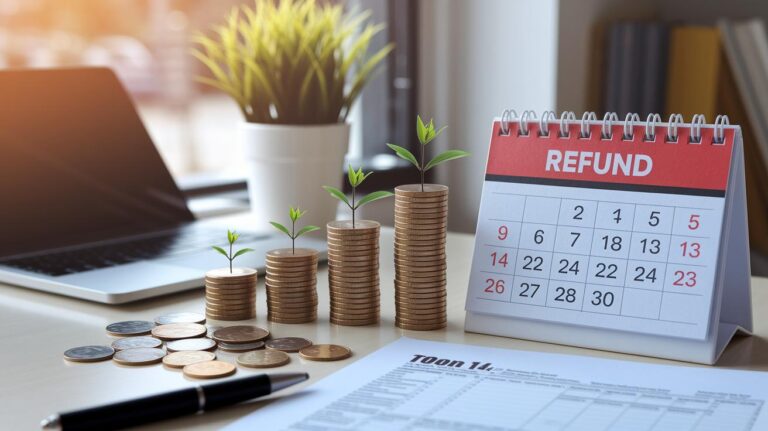
Have you ever wished you could get your tax money a bit sooner? A tax refund advance lets you borrow cash based on your expected IRS refund. You don't have to wait weeks for your money, you could have funds in as little as 24 hours. This quick cash can cover urgent needs, like fixing a broken window or handling an unexpected home repair. Keep in mind, you repay this loan when your full refund arrives. Try this option if you need money fast and want to avoid long waits.

What Is a Tax Refund Advance and How Quickly Does It Arrive?

A tax refund advance is a short-term loan offered by your tax preparer based on the refund you expect from the IRS. Instead of waiting roughly 21 days for your refund to arrive, you can get cash in as little as 24 hours. It works as an early payout on your money when you need fast cash for urgent expenses.

When you opt for a tax refund advance, your tax preparer checks the amount you’re set to receive and offers you a cash advance based on that number. For example, one customer needed funds for a sudden home repair. They took the advance and had the money in their account the next day. Remember, this isn’t free money, it’s a loan you repay when your IRS refund is processed.

This option is a practical way to cover emergencies without waiting for the standard refund period. The advance is repaid automatically with your refund, so while you get early access to cash, you still cover your tax bill. If you’re facing unexpected expenses, this might be a useful tool for keeping your cash flow steady.

Your next step: If you need funds fast, ask your tax preparer about the possibility of a refund advance.

Tax Refund Advance: Fast Funds Today

img-1.jpg

Are you in a crunch for cash? Here’s a quick five-step plan to get a tax refund advance that can help cover unexpected expenses.

  1. Pick a tax preparer that offers refund advance services and set up your appointment.
  2. File your federal tax return using the preparer’s online system. This method uses a simple e-application so you can get prepayment fast.
  3. Complete a brief online form during your filing. Many users say that entering just a few details moves them quickly to the next step.
  4. Wait for your provider to check your expected refund and confirm your eligibility. In many cases, you can get approved the same day.
  5. Receive your funds within 24 hours. The advance is paid back automatically when the IRS issues your full refund.

Quick step: Ask your tax preparer today if you can get a refund advance. It’s a fast, hassle-free way to keep your cash flow steady until your full IRS refund arrives.

Understanding Fees, Interest Rates, and Cost Structures of Tax Refund Advances

When you're looking into a tax refund advance, it’s important to know what you might be charged. Some providers include service fees that can sometimes be more than the amount you borrow. A few tax preparers bundle the advance with a full tax filing service, so you don’t pay extra fees. This bundled approach works best if you need complete tax preparation. Other companies, however, add extra charges in different ways.

Here are some common fee types to look out for:

  • Flat charges: A fixed fee regardless of your refund amount.
  • Percentage fees: A fee based on your expected refund.
  • Tiered service plans: Fees that change with the size of your refund.

Even without traditional interest rates, high fees can make the effective APR very steep. Transparent fee details help you compare providers and understand your true costs. Look for a refund funding service that clearly lists all expenses so you know exactly what you’re paying for. Always request a breakdown of charges and review the terms before moving forward.

Your next step: Ask for a full fee breakdown and verify the terms with your provider before proceeding.

Eligibility Requirements for Securing a Tax Refund Advance

img-2.jpg

Getting your tax refund advance is straightforward if you follow these steps. First, you need to work with a tax preparer who offers an online tax cash advance service. That means your tax return must be filed by a preparer enrolled in the advance program.

• File your return with an enrolled tax preparer. For example, one user shared, "I chose a preparer that offered an online application, and that made the process quick and hassle-free." Check with your preparer today to see if they provide this service.

• Make sure your expected refund meets the minimum amount set by the provider. If your refund is too low, you might not qualify for the advance.

• E-filing is a must for quick processing. Filing electronically helps verify your refund details fast, so take a moment to set up digital submission if you haven’t already.

• You will need to verify your identity along with your estimated refund. This usually means showing a photo ID or providing extra details, so have those ready.

Your next step: Contact your tax preparer now to confirm they offer an online tax cash advance option and ask about their refund advance process.

Comparing Top Tax Refund Advance Providers

Need cash fast from your tax refund? A tax refund advance might be just what you’re looking for. Some companies even lower fees when you bundle tax-prep services. One client shared, "I switched to a bundled option and had nothing extra to pay." With options from same-day direct deposit to next-day checks, timing and cost are key.

Liberty Tax Funding Service is a solid choice if you like bundled deals. Their fees vary and are often waived when you add tax preparation. This helps you keep your budget in check when you need fast cash without extra charges.

Jackson Funding Alternative is perfect if you prefer clear, upfront costs. They stick with a flat fee structure that’s easy to understand. Their online-only process is fast and digital, sometimes depositing funds on the same day.

Hewitt Early Cash Boost works well if you prefer a no-credit-check option. They charge a fee based on a percentage of your refund. This setup is best for larger refund amounts, and funds usually clear by the next business day.

Provider Typical Fee Funding Time Notes
Liberty Tax Funding Service Varies; often waived 24 hours Bundled with prep
Jackson Funding Alternative Flat fee $X–$Y Same day Online-only
Hewitt Early Cash Boost Percentage of advance Next business day No-credit-check

Your next step: Review these choices based on your schedule and fee preference, and pick the provider that meets your financial needs best.

Tax Refund Advance: Benefits and Risks

img-3.jpg

Tax refund advances give you fast cash, often within 24 hours. They don’t require a credit check, which means you can get money even if you haven’t built up a strong credit history. This quick cash can help cover urgent expenses like unexpected car repairs or medical bills. One user noted, "I needed cash fast for unexpected car repairs, so I used an online tax cash advance and had money in just one day."

Keep in mind that fees may be high. Sometimes the service fees can even cut into the money you receive, reducing your final refund. If there’s a difference between your estimated refund and what you actually get, you could end up dealing with extra follow-up from the IRS. One person shared, "When my refund was lower than expected, I had to deal with additional IRS checks, which added stress to the process."

Before you move forward, review the provider’s fee structure and repayment details. This simple step can help you avoid surprises and better manage your finances.

Tax Refund Advance vs. Other Short-Term Funding Options

A tax refund advance can give you cash fast compared to personal loans or credit card cash advances. You might get your money in as little as 24 hours, while personal loans often take several days. Credit card advances can involve a long, tricky approval process that might trap you in ongoing debt.

Refund advances don’t require a credit check. This means you can get your funds no matter what your credit score looks like. In contrast, bank loans and payday lenders do a credit inquiry and might charge high fees or interest if your score isn’t great. Payday loans, in particular, come with very steep fees and require extra care before taking them on.

When you choose a refund advance, the cash comes as one quick, one-time boost. There’s no revolving balance or ongoing monthly payments to worry about. You repay it using your IRS refund, keeping the process simple and predictable.

Your next step: If you need cash fast without the hassle and added costs of other loans, talk to your tax preparer today about a refund advance.

Tips for a Smooth Tax Refund Advance Experience

img-4.jpg

When you choose a tax refund advance, a few clear steps can help you steer clear of surprises and get the most value. Start by gathering the key documents you need. For example, save your IRS e-file confirmation and your preparer’s advance agreement; these papers come in handy if any issues arise later.

  • Save copies of your IRS e-file confirmation and your preparer’s advance agreement.
  • Check how you’ll receive your money. Find out if funds will go to direct deposit or come by check before you file. One user noted that choosing direct deposit sped up the process.
  • Monitor your IRS refund status regularly. This helps you see when your advance is repaid with your refund and catch any delays quickly.
  • Look over the small details in bundled tax-prep fees. A quick review can help you dodge unexpected charges.
  • If your advance doesn’t show up within the promised time, follow up straight away to get it sorted.

Taking these steps now will help you manage your tax refund advance smoothly and keep your cash flow steady.

Final Words

In the action, we explored how a tax refund advance can put cash in your account sooner. You learned the application steps, cost structures, and eligibility basics. We compared top providers and weighed this option against other short-term funding. The tips shared can help you manage fees and avoid surprises. Use the information you gathered on a tax refund advance to make smart choices and move your finances forward. Enjoy taking control of your money and keep building on these practical steps.

FAQ

What does tax refund advance online mean?

The tax refund advance online means you receive a quick loan on your expected IRS refund through an online process. This option typically features fast approval, often with no credit check.

What is Refund Advance 2026 and do I qualify?

Refund Advance 2026 refers to a loan option available during the 2026 tax season that provides early cash based on your expected refund. Eligibility depends on meeting minimum refund thresholds and filing with an approved preparer.

What does a tax refund advance online free offer entail?

A tax refund advance online free offer usually means that the service fee is waived when bundled with full tax-preparation services, giving you early access to cash at no extra cost beyond your standard tax prep fees.

Can I get a TurboTax Refund Advance in 2026?

A TurboTax Refund Advance in 2026 allows you to receive an early loan on your anticipated refund using TurboTax services. Check the specific terms and fees on their website to confirm eligibility.

Does Walmart offer a tax refund advance?

Walmart’s tax refund advance gives you early access to cash from your upcoming refund via their partnered tax services. It typically comes with its own fee structure and qualification criteria.

Can I borrow money until I get my tax refund?

Borrowing money until your tax refund arrives is possible with a refund advance loan. This option provides immediate cash and repays automatically when your official IRS refund is issued.

What disqualifies you from getting a tax refund advance?

Disqualifications for a tax refund advance include not meeting the minimum expected refund amount, not using an eligible tax preparer or e-file service, and failing the required identity verification process.

What are the requirements to get a cash advance on my tax refund?

To get a cash advance on your tax refund, you must file with an approved tax preparer, meet a minimum refund threshold, use electronic filing, and verify your identity as required by the lender.

How is a tax loan different from a tax refund advance?

A tax loan and a tax refund advance are similar in that both provide early access to funds based on your expected refund; differences mainly lie in fee structures, provider terms, and the specific application process.

Can I secure a tax refund advance without a W2?

Securing a tax refund advance without a W2 might be possible if you provide alternative income documentation. Lenders have varying requirements, so check with your service provider for specific eligibility details.

How do refund advance loans and income tax advances work?

Refund advance loans and income tax advances work by giving you early cash based on your expected IRS refund. Funds are repaid automatically once the IRS processes your tax return and deposits your refund.


Finance Charts Spark Fresh Market Optimism

0

Can one chart change how you view your finances? Charts do more than display numbers. They take rows of data and turn them into clear visuals that show trends and help you compare key figures.

In a market that shifts quickly, these visuals highlight important changes that can boost your market confidence. This guide explains how different types of charts, like line charts and bar charts, can simplify your analysis in just a few quick looks.

Your next step: Pick one set of your data and use an online chart tool to create a basic line or bar chart. See which trends stand out and note how this simple visual can shape your next decision.

Essential Finance Chart Types

Finance charts change rows of numbers into clear stories that show trends and differences. They give you a quick look at financial data, whether you want to see how things change over time or compare different groups. These charts are key when you need to compare values, track changes, or show parts of a whole.

Different chart styles tell different data stories. When you pick the right type, you can spot the key numbers fast. For example, if you're tracking a simple trend, a line chart works best. On the other hand, if you need to compare categories, a bar or column chart is the way to go.

  • Bar chart: shows data points side by side for easy comparison.
  • Column chart: uses vertical bars to highlight changes over time.
  • Scatter chart: plots two sets of numbers against each other to show their relationship.
  • Pie chart: splits a whole into slices to show proportions.
  • Line chart: connects data points to show trends over time.

Decide on the chart type based on what you want your data to say. If you need to spot trends, try a line chart. If you're highlighting parts of a total, a pie chart might be best. Experiment with different charts until you find the one that clearly tells the story of your numbers.

Interactive Finance Charts and Tools

img-1.jpg

Interactive chart platforms let you explore data in real time. They help you jump into details, update visuals quickly, and build charts with just a few clicks. For instance, many tools offer Mekko and Waterfall charts so you can spot trends and compare numbers at a glance. You can easily adjust the setup to tell your specific data story.

Want quick wins? Many platforms include extra lessons like masterclasses on choosing the right chart and simple guides for setting up licenses. They also share regular updates so you always know about the latest features. With these resources, you not only get a tool but also learn how to use it effectively in everyday data work.

Check out a real-life example: The “I Heart Keenwah” case from March 2, 2016. Users there took advantage of dynamic chart automation and real-time updates to clearly show market trends. This example shows that turning raw data into a clear and powerful story is easier than you might think.

Your next step: Find out if your current data tool offers interactive features. Try adjusting one of your charts today to see the difference it can make.

Real-Time Market Graphs for Live Decision-Making

Traders and analysts rely on up-to-date market graphs to spot every change in stock performance quickly. When data updates lag by even a few seconds, it can lead to missed opportunities. To avoid this, use direct data updates that keep your charts in sync with the latest numbers. This way, you can track trends and make decisions on the spot without second-guessing the data.

Stick with simple line and bar charts for the clearest view of market movements. Testing different chart types can help you find the format that best shows real-time changes. Avoid extra design details that may confuse or slow down your live updates.

Here are a few tips to keep your graphs sharp:

Tip Why It Matters
Skip 3D effects They can hide important details.
Avoid overly complex graphics Simpler visuals update faster.
Keep the design clean It makes trends easier to spot.

Try updating your charts now with these practices and see how they improve your decision-making process.

Technical Analysis Charts in Finance

img-2.jpg

Technical analysis charts let you see market trends and predict moves using past price data. They show key price points, open, high, low, and close, so you can quickly understand what’s happening. Recognizing patterns like doji or engulfing can help spot when trends might reverse. This clarity makes it easier to decide when to buy or sell.

Candlestick Chart

Candlestick charts display daily price moves with colored blocks and thin lines. They clearly mark the open, high, low, and close prices. For example, a long block with short lines may signal strong buying or selling pressure. This helps you quickly gauge market sentiment.

Bar Chart

Bar charts use vertical bars to show price data. Each bar represents the open, high, low, and close prices. They are simple and easy to read. By comparing one bar to the next, you can spot shifts in momentum and volume, which helps you understand market behavior.

Point & Figure Chart

Point & Figure charts use a grid system where price changes are marked with X’s and O’s, without showing time. This approach removes extra details, so you only see price movements. Traders use these charts to find long-term trends and key support or resistance levels.

Heikin-Ashi Chart

Heikin-Ashi charts change traditional candlestick patterns by using averaged data. This smooths out price swings and gives you a clearer view of trends. It’s especially useful for filtering out noise in volatile markets.

Your next step: Try exploring a free online charting tool. Spend a few minutes checking out each type of chart and note how they display price data. This small exercise will boost your confidence in spotting trends and making smart trading decisions.

Finance charts Spark Fresh Market Optimism

Many finance visualization platforms let you test their features before committing to a purchase. You can start with a free trial and then choose a plan that fits your needs. Options like Manage License, Buy Now, and Free Trial guide you through the setup process. Some platforms even include FP&A and treasury certification programs along with member-only toolkits so you can boost your skills as you upgrade your software.

Excel has long been a staple for basic financial reporting and data visualization because of its familiar custom formulas and pivot tables. However, modern finance tools do more. They offer real-time data updates, interactive charts, and easy reporting that turn your numbers into clear, actionable insights. Plus, with built-in update notes and regular software improvements, your reporting tools stay in step with current market demands.

When you compare Excel with dedicated finance software, the difference is clear. Specialized tools come with easy-to-use dashboards crafted for finance charts. You can drill down into data, change reporting details on the fly, and use ready-made templates to cut down on manual work. In Excel, matching these features might involve complex formulas and extra add-ins, which can slow you down when you’re busy.

Specialized platforms also provide customizable financial templates and smooth integration with other tools. Try this: use pre-built chart templates that you can adjust to match your data API feeds and reporting schedules for a quick and efficient setup.

Your Next Step: Choose one finance visualization tool that offers a free trial and explore its dashboard features to see how you can turn raw data into real action steps.

Final Words

In the action, we broke down finance chart types and tools that help you understand your money. We showcased basics like line, bar, and candlestick charts alongside interactive options for real-time decisions and analysis.

The guide offers clear steps for choosing the right chart based on your data and goals. Pick a style, explore a tool, and take your next step in financial clarity. Embrace these finance charts to empower smarter money moves today.

FAQ

What free finance charts tools and templates are available?

The free finance charts tools include online graph makers that offer customizable chart templates and simple design features. They help you create clear visuals for tracking financial data without extra costs.

What information do financial charts and graphs provide?

Financial charts and graphs display data trends, comparisons, and patterns using different chart types such as line, bar, and pie. They help simplify complex financial information for quicker understanding.

How can I view finance charts for popular stocks like SPY, Google, QQQ, and Meta?

Finance chart searches for SPY, Google, QQQ, and Meta refer to stock data visualizations. Online platforms and brokerage tools offer detailed charts that show historical and live market moves for these tickers.

Which finance graph maker tools are beginner-friendly?

Beginner-friendly finance graph maker tools feature drag-and-drop interfaces with easy customization options. They allow you to quickly build visual representations of financial data with minimal learning curve.

Irs Tax Refund Direct Deposit: Speedy And Reliable

0

Quick win: Get your refund in as little as 21 days.

Tired of waiting weeks for your tax refund? Direct deposit sends your money straight to your bank account when you file online. This method skips mail delays and the hassle of paper checks. In this guide, we show you how to enter your bank details correctly and track your refund every step of the way. Follow our clear instructions and easy tips to get your refund faster.

Your next step: Set up direct deposit when you file your return.

How IRS Processes Tax Refund Direct Deposits

When you file your taxes online, direct deposit is the fastest way to get your refund. It’s the default option so you skip the wait for a mailed check and avoid common delays.

Your refund is sent straight to your bank account. That means you must enter your bank’s routing number and account number correctly. A tiny mistake can slow things down or force the IRS to issue a paper check instead.

After the IRS accepts your tax return, most refunds arrive within 21 days. Try this: use the IRS “Where’s My Refund?” tool as early as 24 hours after your return is accepted to track your refund. The tool shows three stages, Return Received, Refund Approved, and Refund Sent, which keep you in the loop until the money is in your account.

Providing Bank Account Details for Your IRS Direct Deposit

img-1.jpg

Enter your bank details accurately so your refund gets deposited directly into your account without delays. Before filing, log in to your IRS online account and update your information. A tiny mistake can force the IRS to mail a paper check, delaying your refund by 6 to 8 weeks.

When you complete Form 1040, fill in lines 35a–35c with your bank information. This tells the IRS where to send your refund and lets you split it into up to three separate U.S. bank accounts that support ACH transfers. Take a minute to double-check these details to save time and ensure a smooth process.

IRS Form 1040 Direct Deposit Fields

Field Description
Line 35a Select your account type (checking or savings).
Line 35b Enter your bank’s routing number to direct your funds correctly.
Line 35c Provide your unique account number.

Take these steps before you file:

  • Verify your bank details for accuracy.
  • Use your bank’s most current routing number.
  • Check your account number carefully.
  • Update any outdated information in your IRS online account.

IRS Direct Deposit Timeline and Tracking Options

If you file your tax return electronically and opt for direct deposit, you can expect your refund within 21 days after the IRS accepts your return. Try checking your refund progress on the IRS "Where's My Refund?" tool, it updates every day shortly after midnight Eastern Time. You can also use the IRS2Go mobile app, which sends push notifications as your refund status changes. Note that if your return is flagged or selected for review, processing may take 6 to 8 weeks.

The common status updates you’ll see are Return Received, Refund Approved, and Refund Sent, each updating daily after midnight Eastern Time. For example, one user checked at midnight and saw their status change from Return Received to Refund Approved.

Resolving Common Direct Deposit Issues for IRS Refunds

img-2.jpg

Sometimes your refund may not hit your bank account on time. Mistakes like wrong routing or account numbers can cause the transfer to fail. When this happens, the IRS sends back the payment and mails a paper check instead. This can push your refund back by 6 to 8 weeks. Also, if you owe federal debts or past-due child support, the IRS may reduce your refund. In that case, you’ll get a Notice 1444 that tells you which money went to cover those bills.

If you spot an error in your banking details after filing, act quickly. You can fix the mistake by filing Form 1040-X or calling 800-829-1954 within 60 days. The same goes if you lose a paper check or it gets stolen; contact the IRS using the details on your Notice to report the issue. Taking these actions fast can help speed up the process and avoid more delays.

Your next step: Gather your tax return information, IRS Notice details, and your personal ID, then call the IRS support line at 800-829-1954 for help.

Best Practices to Secure Your IRS Direct Deposit Setup

When setting up your IRS direct deposit, protecting your bank info is a must. Stick with official tools like IRS.gov or the IRS2Go app. Always check that the website is secure before you enter any sensitive details. Taking these small steps now can save you a lot of trouble later.

Try these five practical tips to keep your direct deposit safe. First, only use trusted IRS channels, whether you’re checking your refund or making changes, use IRS.gov or the IRS2Go app to steer clear of scams. Second, never share your bank routing or account numbers by email or on unverified websites. Third, add extra security by turning on multi-factor authentication on your IRS online account. Fourth, use strong, unique passwords and update them regularly to keep hackers away. Lastly, review your bank statements within 30 days of a deposit to catch any unexpected transactions. Following these clear steps helps ensure your refund comes to you safely and on time.

IRS Tax Refund Direct Deposit: Speedy and Reliable

img-3.jpg

If you want your tax refund soon, direct deposit is the easiest way to go. You might hear about paper checks and prepaid debit cards, but they come with extra hassles. For a paper check, plan on waiting 4 to 6 weeks in the mail. That wait can be even longer if your address is wrong or the mail gets slowed down. Plus, if your address isn’t updated, your check might bounce back.

Prepaid debit cards let you get refunds up to $500, but they also need a valid U.S. mailing address and extra steps to activate before you can use them. You might run into fees or restrictions, too.

Direct deposit sends your money straight to your bank account at no extra cost. It skips the delays and reduces the risk of your money getting lost or stolen.

Your next step: Set up direct deposit with your bank now to get your tax refund quickly and safely.

Final Words

We jumped right in by breaking down how the IRS processes tax refund direct deposits. The article explained how to enter accurate bank details, track your refund status, and handle common issues. It also outlined easy tips to secure your bank information and compared other refund methods.

Armed with clear steps and tools, you can confidently manage your finances using irs tax refund direct deposit. Review your action steps and get started today, you can make real progress with simple, practical changes.

FAQ

IRS tax refund direct deposit time

The IRS tax refund direct deposit time typically means you receive your refund within 21 calendar days after your return is accepted, barring any errors or further review.

IRS tax refund direct deposit schedule

The IRS tax refund direct deposit schedule usually follows the order of submission, with refunds being deposited within 21 days, and you can check the progress using the online “Where’s My Refund?” tool.

Tax refund over $10,000 direct deposit tracker

The tax refund over $10,000 direct deposit tracker works the same as for other refunds; simply use the IRS “Where’s My Refund?” tool after 24 hours from the acceptance of your return for status updates.

IRS refund direct deposit rules

The IRS refund direct deposit rules require that you provide correct bank routing and account numbers on your return. Accurate details ensure your refund is deposited directly without unnecessary delays.

IRS direct deposit portal

The IRS direct deposit portal refers to the secure online account where you can review and update your bank account details, allowing you to ensure your refund is sent to the correct account.

IRS direct deposit Form

The IRS direct deposit form details are found on Form 1040, specifically on lines 35a–35c, where you provide your account type, routing number, and account number to receive your refund via direct deposit.

What bank does the IRS use for direct deposit

The IRS does not use a designated bank; instead, the refund is deposited into the bank account you provide on your tax return, as long as your bank supports ACH transfers.

Can I change my direct deposit information with the IRS online

The IRS allows you to update your direct deposit information online by accessing your IRS account before you e-file, or by filing an amended return if you need to change your bank details after submission.

How long does it take for IRS to refund direct deposit

The IRS typically issues refunds via direct deposit within 21 calendar days from the date your return is accepted, assuming all the provided banking information is correct and no further review is needed.

Why did I get $1400 from the IRS today

Getting $1400 from the IRS today often signifies a tax refund calculated from your return, including adjustments or credits you were eligible for. Review any accompanying notices for exact details.

What day of the week do refunds get deposited

Refund deposits are not set for a specific day of the week. Banks usually process these deposits on weekdays, and the overall timing depends on your bank’s internal processing schedule.

Can I track my direct deposit tax refund

You can track your direct deposit tax refund by using the IRS “Where’s My Refund?” tool or the IRS2Go app, which update the status daily once your return has been processed.

Dividend Investing Calculator: Smart Income Insights

Ever wonder if your dividend investments are really working for you? Try the dividend investing calculator. It shows how reinvesting dividends can boost your income, even tracking daily price changes.

Enter a ticker like AAPL and watch how your money grows. You’ll get clear income estimates and easy-to-read charts that compare reinvested dividends with cash payouts. This tool cuts through the clutter, showing you a straightforward way to see how small, steady contributions build into growing income.

Your next step: Use the calculator and see for yourself how reinvesting dividends can work wonders for your income.

How the Dividend Investing Calculator Immediately Delivers Your Income Projections

This handy tool shows you dividend income forecasts in just minutes. All you need is a valid stock ticker, your starting investment amount, an expected dividend yield, how often you reinvest, and your investment start and end dates. For example, type in AAPL and pick monthly reinvestment to see how each ex-dividend date adds more shares to your portfolio. A fun fact: a $10K simulation with reinvested dividends can look very different from one with cash payouts, thanks to the power of compounding. The tool uses daily opening prices to schedule reinvestments when dividends come out and calculates your ending portfolio value using closing prices.

Next, you’ll see key numbers like your portfolio’s value, total dividend income, and yield on cost. Interactive charts let you easily track how your investments grow over time. Just click “Chart $10K Invested” to compare reinvested and non-reinvested dividend outcomes. This simple projection model helps you see how steady contributions and DRIP (dividend reinvestment plans) can boost income, giving you a clear next step to improve your dividend strategy.

Assumptions and Limitations

The calculator uses the Tiingo API to verify tickers and pull historical data. It follows an ideal DRIP timing method, which might not catch every real-world detail. Since it uses closing prices for final values, some market ups and downs during the day aren’t shown, and dividend timing may seem more exact than it is. The projections rely on past data and are simulated; they do not guarantee future results. Remember, while the tool gives quick income insights, true investing always involves risks that go beyond these numbers.

Key Inputs for Your Dividend Investing Calculator

img-1.jpg

Start by entering your stock ticker into the calculator. When you type a ticker like AAPL, our tool checks it using the Tiingo API to ensure it’s active and valid. Next, choose clear start and end dates for your investment period, say, January 1, 2020, to December 31, 2025. This helps the calculator give you a precise projection for your dividend strategy.

Enter your starting capital to see how your money might grow. You can also choose to add an assumed dividend yield or let the calculator use past data to estimate one. If you plan to invest in several stocks, use the allocation fields to assign funds to each ticker. This diversification helps strengthen your portfolio and lets you compare different dividend stocks.

The advanced settings give you extra control. You can toggle options to display dividend events and stock splits on your charts. This makes it easier to spot trends and plan for changes down the road. For the best results, make sure you use valid tickers, set realistic date ranges, and enter clear allocation percentages so your strategy reflects real market opportunities.

Customizing Reinvestment in the Dividend Investing Calculator

This calculator helps you simulate reinvesting your dividends on your terms. You can choose to reinvest daily, weekly, monthly, or annually based on the stock's ex-dividend dates. For example, you might set it to reinvest monthly to sync with your paycheck, or pick daily to catch every market move. Picture this: you set your calculator to daily reinvestment, and every ex-dividend day your dividends automatically buy extra shares at that day's open price.

Dividend Reinvestment Frequency

Pick a schedule that fits your money goals, daily, weekly, monthly, or annually. The calculator uses the open price each day to trigger reinvestment right on the ex-dividend date. This simple method shows you how your money can grow over time by compounding. One user said, "I switched from monthly to weekly reinvestment and saw steadier growth in my simulated portfolio." Try adjusting the frequency and see how it makes a difference.

Cash Payout vs Reinvestment

You can also choose to take your dividends as cash or let them buy more shares. Taking cash means dividends pile up separately, while reinvesting puts money back into your portfolio right away. One practical tip: a user found that reinvesting dividends led to a higher portfolio value over time. If you want to boost your returns, switch to reinvestment and watch the compounding work for you.

Visualizing Projections with the Dividend Investing Calculator

img-2.jpg

Interactive charts turn raw numbers into clear visuals of your portfolio’s growth. They compare scenarios where dividends are reinvested versus not reinvested. When you hover over a point, you see details like total dividends, account balance, and yield-on-cost (a way to measure your return). This makes it easy to see your investments compounding over time.

The graphs also mark dividend payouts and stock splits so you can spot their effects. You can zoom in on important periods and filter the view to focus on key events. For example, try filtering to see only when dividends were reinvested to check how that boosted your yield.

  • Interactive charts show your portfolio’s growth over time.
  • Hover points reveal important numbers like dividend totals and balance changes.
  • Zoom and filter tools help you take a closer look at specific trading days or events.

This easy-to-use tool breaks down complex data into visuals you can quickly understand. It helps you see if your dividend strategy is on track so you can adjust your plan if needed. Try exploring the charts now to get a clear picture of your investments’ compounding effect.

Scenario Comparison in the Dividend Investing Calculator

This tool lets you compare two investments side-by-side by adding a second ticker or market index. You can see the differences in your final portfolio value, total dividend earnings, and yield on cost (the return percentage based on your original investment). For instance, you might compare a high-yield dividend stock with a conservative market index to see which one fits your financial goals better.

When you run a comparison, the calculator shows three key numbers for each scenario:

  • Final portfolio value: the total money you might accumulate.
  • Total dividend income: the sum of all dividends earned over time.
  • Yield on cost: the percentage return calculated from your original investment.

This clear side-by-side view helps you decide whether sticking with a dividend stock is the best move or if a market index could provide a steadier return. Try adjusting your inputs, like varying the time frame and reinvestment strategies, to test different outcomes.

Your next step: Experiment with the comparison tool now. Tweak your numbers to see which investment strategy fits your goals best.

For more ideas, check out resources like dividend stocks for retirement income or strategies to retire on dividends.

Advanced Dividend Investing Strategies

img-3.jpg

Review your dividend reinvestment simulations along with your yield updates to catch subtle changes in performance. For example, testing has shown that switching from monthly to weekly reinvestment can boost compound growth by 5%.

Adjust any extra contributions when market conditions shift. Try simulating an extra $150 investment during a soft market to see how it influences your overall growth.

Blend these advanced techniques into your regular investment reviews. When you’re checking your cash flow and portfolio yields, add in your dividend simulation results for a well-rounded view of your strategy.

Your next step: Update your review process today with these strategies and see how they can fine-tune your investment approach.

Exporting and Integrating Data from the Dividend Investing Calculator

You can quickly download your simulation results as a CSV file. This file gives you a detailed look at every reinvestment event, a full breakdown of your dividends, and snapshots of your portfolio at different times. For instance, after running your simulation, click the export button, save the CSV file, and then open it in Excel. You might see a row like "03/15/2023, Reinvestment, 25 shares added" that shows each step clearly.

Downloading your data lets you explore different what-if scenarios in your favorite financial tool. You can import your CSV into Excel, Google Sheets, or any software you use. This makes it simple to track trends and fine-tune your dividend strategy.

Try this:
• Click the export button to create a CSV file.
• Open the file in your spreadsheet program for a full event log.
• Review the details like dividend splits and portfolio snapshots.

Export Format Data Included
CSV/Spreadsheet Event logs, dividend breakdowns, portfolio snapshots

Your next step: Download your file now and take a few minutes to review your reinvestment events. This hands-on review will help you see patterns and make smart moves with your dividend strategy.

FAQs About the Dividend Investing Calculator

img-4.jpg

  • We work out dividend yield by dividing the yearly dividend by the stock’s current price. For more details, check the Dividend Yield Calculation section.

  • With DRIP, your dividends are automatically reinvested to buy more shares, while cash payouts keep your dividends separate. Learn more in the Dividend Payout Options section.

  • We confirm ticker symbols using an API check from Tiingo. See the Ticker Validation section for additional info.

  • Our simulated returns are based on past closing prices to estimate growth, but they aren't a sure thing. Read the Returns Simulation section for details.

  • We use the opening price on ex-dividend dates to give you a real-time look at a stock’s value when dividends are paid. Visit the Price Data and Ex-Dividend Dates section for more information.

Final Words

In the action, you've learned how the dividend investing calculator lays out income projections with clear steps. You saw how key inputs guide your projections, how reinvestment choices affect yield, and how charts make comparing scenarios simple.

Next, try adjusting your own dividend settings and explore those export options in the tool. Use these insights to track growth and make confident financial choices. Small steps now lead to steady progress later. Enjoy measuring your financial success!

FAQ

What is a monthly dividend investing calculator?

The monthly dividend investing calculator provides estimates of dividend income and portfolio growth on a monthly basis, using key inputs such as ticker, yield, and reinvestment timing to give clear income projections.

What does a simple dividend calculator do?

The simple dividend calculator breaks down dividend payouts by using inputs like initial investment, yield, and payout schedule. It offers clear and user-friendly projections for straightforward dividend income estimation.

How does a free dividend investing calculator help investors?

The free dividend investing calculator lets investors test dividend income strategies without cost. It simulates scenarios with or without reinvestment and displays interactive charts to quickly gauge potential growth.

How does a compound interest dividend calculator work?

The compound interest dividend calculator computes returns by reinvesting dividends over time. It factors in ex-dividend dates and closing prices to illustrate how reinvested income can boost overall portfolio returns.

What is a stock dividend calculator by ticker?

The stock dividend calculator by ticker uses a validated stock symbol to generate projections specific to that stock. It provides individual estimates on dividend income and overall returns based on the company’s performance.

What are the benefits of daily, weekly, or monthly dividend calculators?

Daily, weekly, and monthly dividend calculators allow investors to tailor dividend reinvestment timing to their needs. They help compare how different intervals affect income growth, making it easier to choose the best strategy.

Simple Habits For Boosting Your Savings: Spark Joy

0

Quick win: Build your savings with small, smart moves.

Have you ever noticed that a few extra dollars here and there can turn into a safe cushion over time? Even tiny actions, like setting up an automatic transfer or putting spare change aside, can help your savings grow right away. Treat your money moves as simple habits, and you might see benefits in just a few days.

This guide shares easy steps to keep your spending in check while your reserve steadily grows. Your next step: Pick one idea, set up that automatic transfer or start a change jar, and give it a try today.

Immediate Gains: Simple Habits for Boosting Your Savings

Start your savings journey by opening a separate account. Use this account solely for saving money and not for daily spending. Many find that keeping funds apart makes budgeting simpler. For example, when you pass a coffee shop, consider setting aside a few extra dollars instead of using your debit card.

Next, set up an automatic transfer on every payday. This way, you "pay yourself first" by moving a small, preset amount directly from your checking to your savings account. For instance, program a $20 transfer each time your direct deposit comes in, it’s a simple, steady step toward building your reserve.

Finally, keep an eye on your loose change during daily transactions. It may seem small, but every coin counts over time. Try carrying a jar at work where you can toss in spare coins or bills you don’t need right away. This small habit can ease financial stress and steadily build your savings.

Try these steps today and adjust as needed. Watch your savings grow, one small step at a time.

Master Everyday Financial Discipline: Key Habits to Boost Your Savings

img-1.jpg

Start with small, steady changes every week. Even tiny tweaks add up if you stick to your plan. Try setting a specific day, like Sunday evening, for a quick check-in. Look over your bank account and spending to see if you're meeting your goals. Think of it as a simple financial tune-up.

Make a budget that sets clear limits for each spending area, like groceries or dining out. This way, you know exactly where your money goes. If you overspend, adjust your limits right away. This method helps you control your expenses without feeling like you're missing out.

During your weekly check, compare what you spent with what you planned. Write down any differences and decide if a small change is needed. For example, if you planned to spend $50 on meals but spent $60, look for ways to save next week. Even switching to a cheaper option can make a big difference over time.

Take a moment to review each recent purchase. Ask yourself if every buy supports your financial goals. This habit builds mindful spending and reinforces your savings plan. Try this simple strategy today and see a difference tomorrow.

Your next step: Schedule a weekly review and update your budget boundaries. Small, regular checks can lead to lasting savings and stronger financial habits.

Smart Expense Reduction: Spending Habits to Boost Your Savings

Looking to save more money without overhauling your lifestyle? You can start by making a few small changes that add up fast.

Switch to store brands. Generic products often offer the same quality as name brands but cost less. For example, buying a store-brand cereal instead of a premium one might save you a few dollars each week.

Pack your lunch instead of grabbing food on the go. When you prepare your meal at home, you control portions and cut costs. Planning your meals on Sunday evening can set you up for a smooth week while saving you between $5 and $20 every week.

Review your subscriptions. Many services go unused or hardly offer any value. Cancel or pause subscriptions you rarely use so that you can put that extra money toward your savings.

Here’s a quick checklist to get started:

Action Item Benefit
Buy generic brands Saves money on everyday items
Pack your lunch Reduces weekly spending on meals
Cancel unused subscriptions Frees up cash for savings

Each change can save you around $5–$20 a week. Small savings from day-to-day decisions really add up over time.

Your next step: Review your monthly expenses right now and choose one area to adjust. Turn mindful spending into lasting savings today.

Automate Your Way: Deposit Habits to Boost Your Savings

img-2.jpg

Set up a recurring transfer from your checking account to your savings account every payday. This pay-yourself-first approach means you build your savings automatically without any extra steps.

Turn on app alerts that let you know when you reach a savings milestone. A brief message like "You've saved an extra $100 this month, great job!" boosts your motivation. Also, check your bank’s weekly summary for a clear snapshot of your progress. For example, you might see, "This week, you saved $80, steadily moving toward your goal," so you know if you need to make any adjustments.

Quick checklist:

  • Schedule a recurring transfer on payday.
  • Enable alerts for savings milestones.
  • Review your weekly savings summary for added insight.

Try this setup today to watch your money grow while staying informed on your progress.

Build an Emergency Fund: Essential Habits to Boost Your Savings

Start by setting aside a small, fixed amount from every paycheck. For example, transfer an extra $15 each payday into a separate account just for emergencies. This small step builds up into a safety net over time.

Automate these transfers so you never have to think about it. When your bank moves the money for you, you won't be tempted to spend it. Set it up once and let your savings grow on autopilot.

Review your progress every three months. Mark your calendar for the first day of each quarter, check your balance, and adjust if you need to. If unexpected expenses have come up, consider temporarily boosting your savings.

Action Step Example
Mini-goal saving Transfer $15 each payday
Automate transfers Set up scheduled bank transfers
Quarterly check-up Review your emergency fund every quarter

Try putting these habits into practice today and watch your emergency fund grow steadily.

Evolve Your Strategy: Long-Term Habits to Boost Your Savings

img-3.jpg

When your income grows, it's smart to review your budget each year. Set a reminder to check your income and the amount you send to savings. Then, adjust your contributions when you earn more. This simple review helps you meet your long-term goals.

Try this: At your next annual check-up, update your automatic savings transfers.

Another easy way to boost your savings is to look for accounts that pay more. For example, consider shifting some of your money into a money market account. These accounts often offer better returns than a standard savings account, but they may have limits on how often you withdraw money or require a minimum balance. Check with your bank and decide if the potential gains are worth the restrictions.

Also, whenever you get a raise or extra income, commit a set percentage of it to your savings. Even small changes can add up over time. Increasing your automatic transfers means your savings will grow along with your income.

Take a few minutes each year to review your spending, saving, and investment choices. Use this quick checklist:

Action Step
Income Review Check any increase in annual income
Savings Update Adjust the percentage automatically transferred
Account Comparison Look into options like money market accounts for higher yields

This regular review keeps your savings plan evolving with your lifestyle. Next time you do your yearly check, make a plan to adjust your savings. This step-by-step approach keeps you on track and gets more out of every dollar you save.

Final Words

In the action, this guide shows you how to begin saving with simple, actionable steps. The article covered immediate gains like opening a dedicated savings account and automating transfers, along with everyday tactics such as weekly check-ins and smart expense cuts.

We also highlighted building an emergency fund and evolving your strategy as your income grows. Keep these simple habits for boosting your savings in mind as you move forward. Stay positive and take your next step today.

FAQ

What are some clever ways and practical tips to save money?

The clever ways to save money combine habits like using a dedicated savings account, automating transfers, and reducing non-essential expenses. Small steps like these add up and build lasting savings habits.

How can I save money fast on a low income and from my salary?

Saving money fast on a low income means paying yourself first. Direct a small portion of your salary into savings automatically, track expenses, and cut back on low-use services to free up cash quickly.

What benefits come from saving money?

Saving money builds a strong financial cushion that reduces stress during emergencies, offers flexibility for future investments, and improves your budgeting skills while opening new opportunities for financial growth.

What money management tips should beginners follow?

Money management for beginners involves tracking every expense, setting clear, small goals, automating savings, and taking a weekly review of your finances. These steps create simple routines that lead to long-term progress.

Early Retirement Dividend Investing: Earn Lasting Income

0

Ever wonder if you can retire early by living on dividend income? You can build a regular cash flow from dividend stocks that may one day replace your paycheck. First, add up your yearly expenses and then work steadily to grow your portfolio. This approach breaks down the math behind using steady dividend checks to create lasting income. Try this: set clear goals and choose stocks that match your plan for a secure future.

Blueprint for Early Retirement via Dividend Investing

To get started, figure out how much annual dividend income you need to cover your living costs. If you need $40,000 per year, a common approach is to multiply that amount by a factor between 22 and 28. Using 25 as your guide, you’d aim for a portfolio of around $1,000,000.

Here’s your next step:

  • Calculate your current living expenses to set a realistic annual dividend goal.
  • Multiply that number by a factor between 22 and 28. For example, $40,000 × 25 equals $1,000,000.
  • Account for inflation (about 2% per year) and dividend growth (roughly 3.5% per year) to ensure your income keeps up with rising costs.

Dividends can effectively replace a salary by providing a steady stream of passive income for retirement. It’s important to pick stocks that have a history of stable and rising payouts. Look for a yield of at least 3%, a payout ratio no higher than 60%, and a record of increasing dividends over at least 5 years.

Remember, this isn’t a set-and-forget plan. Regularly review your portfolio’s performance to make sure it continues to meet your income needs. Update your calculations from time to time and adjust your investments if market conditions change. Taking these steps will help you build a solid income blueprint for an early retirement using dividend investing.

Your next step: Spend a few minutes today reviewing your current expenses and set a clear dividend target.

Dividend Stock Selection for Sustainable Retirement Income

img-1.jpg

When you pick dividend stocks, having a simple checklist is key. If you’re an early retiree counting on dividend income, you need stocks with strong basics. Individual stocks often give you growth and control that some funds lack, as long as you look at safety markers. Watch out for too many stocks from high-yield sectors like REITs, MLPs, and utilities, since they might not boost your portfolio’s long-term growth.

Here’s how to build a portfolio that delivers steady and growing income:

  • Yield 3% or more
    Pick stocks that pay at least a 3% yield. This helps you get enough cash flow as you build your dividend strategy.

  • Payout Ratio of 60% or less
    A low payout ratio means the company keeps enough profit ready to invest in growth, even in lean times.

  • A 5-Year Record of Growing Dividends
    Choose stocks that have bumped up their dividends over the past 5 years. This can give you confidence in their future payouts.

  • Reliable Free Cash Flow
    Companies that generate strong free cash flow are better able to stick to their dividend payments, even when the market gets tough.

  • Solid Balance Sheets
    Look for companies with low levels of debt and robust financial health. These factors help ensure that dividends can keep growing over time.

  • Careful Look at Sectors and Stock Traits
    Focus on areas like consumer staples, healthcare, financials, and well-established industrials, they typically offer steady cash flow along with growth. Check that the company has consistent earnings and manageable debt so it can handle ups and downs.

Try this: Use these easy steps to screen your dividend stocks today. Pick one or two stocks that meet these criteria and review their recent earnings and balance sheets. This is a reliable move toward a balanced and steady income for retirement.

Building a Diversified Dividend Portfolio for Early Retirement

Vanguard High Dividend Yield ETF (VYM) is a strong cornerstone for your dividend portfolio. It offers a steady yield of about 0.71% and uses a market-cap weighted method that naturally balances your investments. This means larger companies have a bigger role, which helps keep sudden market bumps in check. Next step: Check your current investments to see if adding a market-cap weighted fund like VYM can strengthen your dividend strategy.

Vanguard International High Dividend Yield ETF (VYMI) broadens your reach by investing outside the US. About 80% of its holdings are in developed markets and 20% in emerging ones, covering regions like Europe, Asia, and Canada. This mix can protect you when one region has a rough patch and can benefit from different currency moves. Next step: Consider if adding a global fund like VYMI can give your portfolio extra stability.

Vanguard Real Estate ETF (VNQ) gives you exposure to real estate through a range of sectors such as healthcare, retail, industrial, telecom towers, and data centers. With a yield of around 1.03%, it helps boost income and lower portfolio swings. Next step: Review your risk level and see if a diverse mix of REITs like those in VNQ can further enhance your income and portfolio diversity.

Managing Risks and Market Fluctuations in Dividend Investing

img-2.jpg

Dividend investing for early retirement requires your careful attention. Market shifts and economic changes can lower dividend yields or cause unexpected turns in your portfolio. Start by checking your dividend health regularly to catch warning signs early.

Assessing Dividend Safety Metrics

Keep an eye on simple financial markers to judge if a dividend payer is reliable. Payout ratios show what portion of earnings is paid as dividends. If a company gives out too much from its profits, it may struggle when times are tough. Also, check free cash flow to be sure the company generates enough cash to support its dividend without cutting back on growth. Look for steady earnings over several years as a sign of strength. Try this checklist:

  • Keep payout ratios at 60% or lower.
  • Confirm that free cash flow covers dividend amounts every period.
  • Review quarterly and annual earnings for stable performance.

Sector and Concentration Risk Management

Avoid putting too much money into one industry like REITs, MLPs or utilities. A well-balanced portfolio spreads risk across different sectors and regions, which can protect you when one area underperforms. Keep your investments diversified by setting a cap on how much you allocate to any one sector. Try these steps:

  • Set a maximum percentage for any single industry.
  • Compare sector performance with overall market trends.
  • Review and adjust your holdings every six months or annually.

Taking these steps now can help you spot risks early and adjust your investments, keeping your dividend income steady even during market ups and downs. Your next step: review your current portfolio using this checklist and make any needed changes today.

Tax Planning Strategies for Dividend Income During Early Retirement

Smart tax planning can help boost your dividend income after taxes and reduce what you owe. One key step is understanding the difference between qualified and ordinary dividends.

Qualified vs. Ordinary Dividends

Qualified dividends are taxed at lower rates (0% to 20%), depending on your income. Ordinary dividends, however, are taxed as regular income, which may be higher. To keep more of your money, consider shifting dividend-paying stocks into tax-advantaged accounts like IRAs or Roth IRAs. This lets your investments grow without paying taxes right away. You can also lower your tax bill by using tax-loss harvesting or choosing tax-efficient funds. Try this: review your investment accounts today and see where you can move your dividend stocks into a tax-friendly setup.

When you get dividends from foreign sources, they might have taxes taken out before you see them. To avoid paying tax twice, claim foreign tax credits on your return. This step can help lower your overall tax rate on these dividends. Make sure to save all your foreign withholding statements and update your tax worksheet each year to account for the credits. Try this: update your filing tools now by adding foreign dividend records for a smoother tax season.

Case Study: Retiring Early with a $1 Million Dividend Portfolio

img-3.jpg

John began with a $1,000,000 dividend portfolio and followed a clear plan. He reinvested his dividends and added an extra $100 every month. After 10 years, his yield improved and his portfolio grew faster than he expected. Try this: review your own plan and see if adding a little extra each month can boost your results over time.

John's example shows that sticking to a simple strategy pays off. He kept a close eye on his investments and made small tweaks as needed. This steady approach helped his income grow to keep up with rising costs.

Metric Value
Portfolio Size $1,000,000
Initial Yield 4%
Annual Income $40,000
Dividend Growth Rate 3.5%
Inflation Rate 2%
Withdrawal Multiplier 25

Review your investment strategy often. Check if reinvesting dividends and adding a small amount monthly could give your portfolio a worthwhile boost.

Portfolio Maintenance: Rebalancing and Yield Benchmarking

Quick win: Set a reminder now to review your portfolio in the next 6 to 12 months.

Keep a close eye on your dividend income with regular checks. Every six to twelve months, compare your current yield with your target, if it falls more than 0.25% off (for example, if your target is 4% and you drop to 3.7% or rise to 4.3%), it’s a good time to rebalance your investments.

Use a portfolio-tracking tool to keep track of dividend dates, the cash you receive, and whether dividends are reinvested. These tools can show you real-time income growth and send alerts when changes are needed.

Here are some practical steps to follow:

  • Compare your portfolio’s yield with your income goal.
  • Rebalance your investments every six months or once a year to keep a steady 4% yield.
  • Watch dividend payment dates and reinvest them as soon as possible.
  • Every three months, look for new income opportunities to replace underperforming investments.

Make these checks a regular habit. They help you stay on track with your goals, keep your income predictable, and prepare you for early retirement. Your next step: Set calendar reminders to review your portfolio and adjust your holdings when needed.

Advanced Tactics: Dividend Reinvestment and Compounding for Faster Exit

img-4.jpg

Building a solid dividend portfolio for early retirement is easier when you reinvest your dividends. Joining a DRIP means your cash dividends automatically buy more shares, growing your investment over time. This approach can boost your growth by around 3.5%, helping you reach your income goals 1 to 3 years sooner.

Reinvesting dividends is a smart habit, especially when the market dips. Even small, regular purchases of additional shares can speed up your portfolio’s growth. This steady reinvestment builds a strong base of income-generating assets and increases your savings with each payout.

Consider these steps:

  • Enroll in a DRIP with your dividend-paying stocks.
  • Set up automatic reinvestment to capture every payout.
  • Check your progress regularly to stay in line with your early retirement goals.

By following these steps, you can shorten your journey to early retirement while building lasting wealth and increasing your dividend income over time.

Final Words

In the action, for early retirement dividend investing, we laid out clear steps to build a robust dividend portfolio, from smart stock selection to effective tax strategies. We explained how diversification, risk control, and consistent rebalancing keep your income flowing and protect your investments.

Now it's your turn to put these tactics into practice. Start laying the groundwork today to see real progress in building passive cash flow for retirement. Small, steady actions lead to lasting financial gains.

FAQ

What are people saying on Reddit about early retirement dividend investing and building a dividend retirement portfolio?

Discussions on Reddit reveal real-life insights on building dividend portfolios. Users share strategies for careful stock selection, diversification, and long-term management to secure steady income for early retirement.

What defines the best early retirement dividend investing and a solid dividend growth retirement portfolio?

The best approach focuses on reliable dividend stocks that grow over time. Investors prioritize firms with steady earnings, moderate yields, and solid balance sheets to construct a portfolio that can eventually replace regular income.

What is a dividend retirement strategy for early retirement?

A successful dividend retirement strategy centers on assembling a portfolio that consistently pays and gradually raises dividends. This requires selecting companies with strong payout histories and reinvesting dividends to strengthen future income.

How can you retire at 55 and live off your dividends, and is early retirement on dividends feasible?

Retiring at 55 with dividends is possible by building a diversified portfolio that covers living expenses. It requires disciplined saving, consistent reinvestment, and ongoing portfolio reviews to maintain and grow dividend income.

How much does it take to make $1,000 a month in dividends?

To generate $1,000 monthly (or $12,000 annually), you might need a portfolio around $300,000 using a multiplier of about 25, though actual requirements depend on your dividend yield.

How much do you need to invest to get $3,000 a month in dividends?

To earn $3,000 monthly ($36,000 annually), you may need to invest roughly $900,000. This estimate uses a payout multiplier near 25, but your exact amount depends on the specific dividend yield achieved.

Why doesn’t Warren Buffett like dividends?

Warren Buffett prefers companies that reinvest earnings instead of paying dividends. He believes that reinvested profits often generate better long-term growth, compounding value more effectively for shareholders.

Personal Finance Platform – Powering Your Finances

0

Managing your money doesn’t have to be confusing. A smart finance platform puts all your accounts in one clear view. Instead of tracking many bills, you see your checking, savings, and investments on a single dashboard. With budgeting tools and bill reminders built in, you can make quick, informed choices without the hassle. Your next step: try this platform today and take control of your finances.

How a Personal Finance Platform Simplifies Money Management

This platform makes budgeting straightforward. It uses an envelope method where you only budget the money you have. That way, you can plan your spending easily and keep track of your expenses. Automatic bill reminders help you pay on time, and a live chat support is there when you need quick help.

It brings all your accounts together in one clear view. You can see your checking, savings, investments, and credit accounts at a glance. With bank data import in formats like QIF, OFX, QFX, CAMT.053, and CSV, syncing is a breeze. Cloud syncing for EU/UK and US/Canada users keeps your net worth and cash flow reports updated on all your devices. This lets you see how your choices affect your total money picture.

The design focuses on ease of use. It even lets you undo mistakes and offers a dark mode for comfort. Using the envelope budgeting method means you can only spend what you have, keeping your spending in check. A quick reminder: only 36% of Americans have a written financial plan. This platform makes it easy to start planning and managing your money smarter.

Your next step: Give this platform a try today. Sync your bank data and see for yourself how simple managing your money can be.

Key Features to Compare in a Personal Finance Platform

img-1.jpg

Personal finance platforms bring all your money tools into one place. They help you budget, track, and report your spending, making it easier to see where every dollar goes. Whether you use a mobile app or a computer dashboard, these platforms keep your finances neat and within reach. Here are eight features to consider as you choose a platform that fits your needs:

  • Mobile integration: Stay connected on your phone and computer with real-time updates.
  • Desktop interface: Enjoy a clean, simple layout that makes it easy to use on your computer.
  • Savings estimator: Set goals and see live estimates to help you track your savings.
  • Portfolio tracking: Watch your investments grow with clear visuals and easy-to-read performance markers.
  • Goal planner: Define your money targets and track your progress with clear action steps.
  • Spending analytics: Get instant insights into where your money goes with automated expense breakdowns.
  • Smart transaction sorting: Automatically organize your spending into clear, easy-to-understand categories.
  • Custom reports: Generate personalized reports for your net worth and cash flow so you can review your overall financial health.

Your next step: Pick one feature that stands out for you, and explore a platform that offers it today.

Choosing the Right Personal Finance Platform for Your Financial Goals

Usability and Interface

Pick a tool with a clear dashboard that shows simple icons and easy-to-read visuals. Look for features like drag-and-drop design and built-in tutorials so you can learn quickly. It should work well on your phone, tablet, or computer, keeping you in touch with your finances wherever you are.

Pricing and Subscription Models

Most platforms let you try them for free before you pay. Start with a basic version that covers essential features and then decide if you need a monthly or yearly upgrade for extra tools. With trial periods of 7 to 30 days, you have plenty of time to see if it meets your needs.

Integrations and Data Import

Choose a platform that links with your bank securely and supports common file types like OFX and CSV. This makes it easy to import past transactions. It’s even better if the tool can connect with other apps through API access and third-party integrations, so you can expand its features as needed.

Customer Support and Community

Good support makes a big difference. Go for a platform that offers live chat, active user forums, and a comprehensive help center. Clear update alerts keep you informed about any service changes or improvements.

Your next step: Compare these key points to choose a platform that fits your daily routine and long-term money goals.

Security and Privacy Measures in Personal Finance Platforms

img-2.jpg

Personal finance platforms work hard to keep your data safe. They use strong encryption to scramble your information so only you, and those you trust, can read it. Some platforms even offer extra encryption for self-hosted servers. Plus, they run automated daily backups to save copies of your account data. This way, if an unexpected event happens, your financial records are safe and easy to recover. All these steps build trust every single day.

Platforms also record every action with detailed logs that track all transactions and updates. They use role-based access controls so only approved users can make sensitive changes. Secure syncing across devices ensures your data stays current in real time. These measures meet compliance standards and offer clear transparency. Together, they form a strong system that makes your data secure, whether you use one device or several.

Pricing Models and Subscription Options for Personal Finance Platforms

Many personal finance platforms offer a free service that covers the basics. With this option, you can try out budgeting, track your transactions, and more without paying any fees. If you need extra help, like custom reports or improved security, you can switch to a paid plan on a monthly or yearly basis. You might start with the free version and upgrade later when you need more support.

Most providers let you test everything first with a trial period that lasts from 7 to 30 days. This is your chance to see how features like real-time syncing and special tools work for you. For instance, you can try a 14-day trial to decide whether the advanced functions match your financial goals.

Some services use a donation-supported model, where part of your subscription fee, about 20%, helps fund an open-source community. This option is ideal if you appreciate the idea of giving back and want your fee to support a broader group.

Your next step: Review the trial periods and plan options on your favorite platform, and choose the one that fits your money management needs today.

User Experiences and Real-World Testimonials on Personal Finance Platforms

img-3.jpg

John explained how the platform changed his messy money routine into a clear and calm process. He shared, "I used to scramble at the end of the month, but now I see every expense clearly. I finally feel in control of my money."

One reader recalled a breakthrough moment when a detailed transaction history exposed duplicate charges. This simple check helped him cancel duplicate subscriptions and save over $50 every month.

Sarah mentioned that the support team was a real lifesaver during her busiest week. "A quick chat with support fixed a billing error immediately, no long waits, just clear answers," she said.

Many users also appreciate the lively community forums. They offer practical suggestions for budgeting on an irregular income and covering unexpected bills. One user noted, "The tips shared in the forum helped me find new ways to manage my money when freelance work slowed down."

Final Words

In the action, we broke down how a personal finance platform can improve your budgeting and expense tracking while keeping your money matters simple. We looked at merging account data for clear reporting and explored smart features like envelope budgeting, quick data imports, and safe backups.

We also touched on pricing options, security details, and real user insights. Try implementing one quick strategy today and feel confident taking control of your money. Your smart money management journey starts now.

FAQ

What is a free personal finance platform?

A free personal finance platform gives you tools to track spending, set budgets, and remind you of bills at no charge, making money management straightforward and accessible.

What are considered the best personal finance platforms?

The best personal finance platforms combine strong budgeting tools with seamless bank data integration. Top names include Quicken, YNAB, Goodbudget, Honeydue, Spendee, and EveryDollar.

How do personal finance platform reviews rate personal finance software?

Personal finance platform reviews praise software that offers intuitive interfaces, reliable bank syncing, automated reminders, and real-time support, making it easier for users to keep their spending in check.

What benefits does a personal finance app offer?

A personal finance app delivers mobile budgeting, smart spending analytics, and smooth bank data import, helping you track expenses and set financial goals on the go.

How does Quicken personal finance compare to other platforms?

Quicken personal finance offers robust account integration, detailed spending reports, and a familiar interface, making it a popular choice alongside newer tools like YNAB and Honeydue.

Is there a Microsoft personal finance software free download available?

Microsoft personal finance software free downloads exist and provide basic budgeting and expense tracking tools, though they may offer fewer advanced features than some premium alternatives.

Irs Refund Schedule: Fast, Bright Refund Dates

0

Ready to speed up your refund? E-filing your 2025 taxes might get you money in less than 21 days. Imagine your refund landing right in your bank account to boost your monthly budget or cover unexpected costs.

Filing by paper can take more than 6 weeks, adding unnecessary stress. This guide shows you why e-filing is the smart choice and explains clear, actionable steps to get your refund faster.

Your next step: Gather your tax documents and file electronically today.

IRS Refund Schedule: Fast, Bright Refund Dates

If you file electronically for the tax year 2025 and your return is accurate, you can usually get your refund in under 21 days. E-filing is faster and more efficient, with most refunds arriving within 10–21 days after your return is accepted. In contrast, paper returns can stretch your wait to about 45 days or more. Remember, if you file on paper, you must include bank account details or choose a prepaid debit card because paper checks are no longer an option.

Here’s what you need to know:
• E-filed returns mean quick refunds, often in less than 21 days.
• Paper filings can take over six weeks to process.
• Direct deposit speeds things up, with some early filers seeing refunds by mid-February.

Double-check your return for mistakes to avoid delays. E-filing not only speeds up processing, but it also gives you an immediate digital confirmation that your return was received.

Your next step: File electronically and choose direct deposit to enjoy a faster refund and get ahead on your monthly budgeting and unexpected expenses.

IRS Refund Schedule by Filing Method: E-File Versus Paper Returns

img-1.jpg

Filing your taxes online means you send your return electronically, while paper filing involves mailing your forms. Your choice affects how soon you receive your refund.

• If you e-file without any mistakes, you can expect your refund in less than 21 days. An accurate online return speeds up the process significantly.
• If you file by mail, it typically takes over six weeks to receive your refund, think of it like traditional mail, slower and with more manual steps.
• For tax year 2025, paper filers must include bank account details for direct deposit or choose a prepaid debit card since paper checks aren’t available. Picture your refund landing directly into your bank rather than waiting for a mailed check.

Using e-file helps catch errors early with built-in checks, which means a faster turnaround. If you need to file a paper return, take extra care to verify your bank information to avoid any delays.

IRS Refund Schedule and PATH Act Credits: Earned Income and Child Tax Credits

If you're claiming the Earned Income Tax Credit or the Additional Child Tax Credit, the IRS holds your refund until at least February 28. This rule applies to every eligible filer, no matter when you submit your return. It gives the IRS time to check that your details are correct and you meet all the requirements. In most cases, expect about a one-month delay.

  • Your refund won’t be released before February 28.
  • The IRS reviews your information to confirm you qualify for these credits.

Plan ahead if you rely on your refund for bills or other expenses. Though it might be inconvenient to wait, this delay helps catch errors and protect both taxpayers and the tax system. Adjust your budget and check your refund status regularly while the review is in process.

IRS Refund Schedule Tracking: Using the Where’s My Refund Tool

img-2.jpg

If you're expecting a refund, you can easily check its progress with the IRS online tools. The IRS website and the IRS2Go mobile app give you up-to-date details on where your refund stands.

Follow these three simple steps:

  1. Visit the IRS website or open the IRS2Go app.
  2. Enter your Social Security number, your filing status, and the exact refund amount.
  3. Read the status messages to see how far along your refund is.

The tool updates once a day, usually between 4 a.m. and 5 a.m. ET, so you can quickly get the latest information. Try checking your refund status now to stay in the know.

IRS Refund Schedule Delays: Common Issues and Explanations

Your refund might take longer than expected if there are problems with your tax return. Simple errors, missing documents, or extra checks can slow down the process. Here are common issues that might cause delays:

  • Incomplete or inaccurate returns: Missing details or mistakes (like a typo in your Social Security number) can trigger a manual review.
  • Missing forms: If you leave out required documents, the IRS must contact you for more information.
  • Identity theft or fraud alerts: These alerts mean the IRS will verify your identity before sending a refund.
  • Amended returns: Corrections or updates need an extra review, which can delay your refund.

  • New tax law forms: New forms due to recent tax changes may add a delay of one to two weeks early in the season.

Your next step: Review your tax return carefully now. Compare it with your documents, and make sure all information is clear. If you receive a notice from the IRS, respond quickly with the requested details. Filing early and keeping your records organized can help you avoid these delays and give you a better idea of when your refund will arrive.

IRS Refund Schedule Key Dates: Tax Season Acceptance and Deadlines

img-3.jpg

  1. The IRS starts taking e-filed 2025 returns on January 26, 2026.
  2. Your tax filing must be submitted by April 15, 2026. If you need more time, file Form 4868 to extend until October 15, 2026. Keep in mind that any taxes you owe are still due by April 15.

Mark these dates on your calendar now. Filing early gives you more time to check your work and fix any mistakes, plus it can speed up your refund. Planning ahead means you’ll be ready if the IRS needs extra details or if you need to make changes. Your next step: write these dates down or set a reminder on your phone.

IRS Refund Schedule FAQs: Top Questions on Your Refund Timing

  1. When will I get my refund?
    Check the Refund Timeline section for details. Most refunds arrive within 10 to 21 days after the IRS accepts your return.

  2. Why hasn’t my refund status updated?
    Head over to the Where’s My Refund? section. Updates are made overnight between 4 a.m. and 5 a.m. ET, so you might see changes only after that time.

  3. Can I still get a paper check?
    Review the Refund Method section to find out that refunds now come only by direct deposit or prepaid debit card.

  4. How do I fix errors delaying my refund?
    Visit the Error Correction section for step-by-step instructions on reviewing and correcting your return based on IRS notices.

Final Words

In the action, we walked through the expected timing for federal tax refunds, breaking down steps for e-filed versus paper returns. We reviewed important dates, key differences for PATH Act credits, and how to track your refund with the official tool. We also noted common processing hold-ups and offered clear steps to address them. With this clear picture of the irs refund schedule, you can plan your finances better and take immediate steps to stay on track with your tax refund expectations.

FAQ

What is the current IRS refund schedule?

The current IRS refund schedule for 2026 means that if your e-file is error-free, you can expect direct deposit within 10–21 days after acceptance, while additional verifications may extend the wait to about six weeks.

What is the deposit schedule for an IRS refund, and when do tax refunds get deposited?

The IRS typically sends refunds via direct deposit within 10–21 days after accepting your return. However, claims for credits like the EITC may delay your deposit until after February 28 for additional verification.

Where’s my refund IRS—how can I track my refund status and stimulus check details?

The IRS “Where’s My Refund?” tool and the IRS2Go app let you check your refund status. They update daily overnight (usually between 4 and 5 a.m. ET) using your SSN, filing status, and refund amount.

What does the IRS refund schedule look like for EITC claims?

For returns with the earned income tax credit, the IRS holds direct deposits until after February 28 to perform extra verification, which can delay your refund by about a month compared to standard e-file processing.

When will my tax refund be approved after it is accepted?

Once your tax refund is accepted, approval usually occurs within 10–21 days if your return is error-free; however, any checks for errors or credits may extend this timeframe.

How do I access the IRS Refund Schedule 2026 PDF or calendar?

The IRS publishes refund schedules and calendars, including a 2026 PDF, on its official website. This document provides key dates and timelines for both e-file and paper return processing.

What time does the IRS update refund status each day?

The IRS updates refund status once daily, generally between 4 a.m. and 5 a.m. Eastern Time, so checking the “Where’s My Refund?” tool each morning will show the latest processing results.

Dividend Mutual Funds Boost Strong Income Returns

0

Have you ever thought about making your money work for you? Dividend mutual funds let you pool cash with other investors to buy stocks that pay you regular dividends.

Think of these funds as a smart basket that holds shares from different companies. This method can lower your risk while giving you steady income and helping you build wealth over time.

Your next step: Take a look at your current portfolio and see if adding dividend funds could boost your income stream.

Dividend Mutual Funds Boost Strong Income Returns

Dividend mutual funds pool money from many investors to buy stocks that pay regular dividends. They focus on stocks that give you cash now and can grow over time. They also tend to be steadier than the overall market, like the S&P 500.

These funds build a mix of high-yield stocks to spread the risk. By combining money from lots of people, no single poor-performing stock can hurt you too much. For example, if you invest a set amount every month in different dividend stocks, you can lower risk and boost steady income. Even small investors can access a wide range of stocks that might be too costly to buy alone.

Dividend mutual funds offer steady income, room for growth, and broad stock exposure. With professional management selecting reliable dividend payers, they become a smart choice for anyone looking for a safe and routine cash flow.

Your next step: Consider reviewing a dividend mutual fund guide to see if this strategy fits your income needs.

How Dividend Mutual Funds Work: Structure & Payouts

img-1.jpg

Dividend mutual funds collect money from many investors to buy a mix of stocks known for paying dividends. This pooling of funds gives you access to a diverse investment portfolio that might be hard to build on your own. Typically, these funds focus on companies with steady dividend payments and solid business fundamentals to help balance any ups and downs from one stock.

Each fund sets its own schedule for dividend payouts. Some pay once a year, while others pay every six months, quarter, or even monthly. Your income needs can guide your choice here. For example, if you rely on regular cash, a fund with monthly payouts could be a good fit. If you’re focused on long-term growth, a fund that pays less frequently might suit you better.

Many dividend funds also offer an automatic reinvestment option. When you choose this, your dividends are used to buy more shares at the current net asset value, which can help your investment grow over time by generating even more dividends. This strategy means you don’t have to add extra cash to see your money compound.

Your next step: Check your dividend mutual fund’s payout schedule and see if automatic reinvestment can work for you.

Historical Performance & Yield Benchmarks for Dividend Mutual Funds

Trailing yields show you the average yearly income a fund has paid from its dividend stocks. We work out this number by adding up all dividends paid per unit over a set time, dividing that total by the fund’s current value, and then splitting by the number of years in that period. This gives a clear picture of past income generation.

You can compare these yields with well-known benchmarks like the S&P 500, the Dow Jones U.S. Select Dividend Index, and the FTSE High Dividend Yield Index. Doing this helps you see if a dividend fund is matching the market or even doing better at generating income.

Benchmark 5-Year Avg Annual Return (%) 5-Year Avg Yield (%) Volatility (Std Dev)
S&P 500 8.0 2.0 15.0
FTSE High Dividend Yield Index 7.5 4.0 18.0
Dow Jones U.S. Select Dividend Index 9.0 3.5 16.0
Dividend Fund Universe 8.5 3.0 17.0

By comparing these figures, you can better balance income and risk. Look at the annual return numbers alongside the yields to check if a fund meets your income goals. Sometimes a higher yield means more volatility, so make sure you understand these trade-offs. Try this: review your funds against these benchmarks to see if the numbers match your financial needs.

Comparing Dividend Mutual Funds with Other Income Investments

img-2.jpg

Dividend mutual funds offer a well-rounded way to earn steady income while keeping your investments diverse and professionally managed. They lower your risk by spreading your money over many dividend-paying stocks instead of putting all your eggs in one basket, like buying individual stocks. This approach also compares well with bond funds, high-yield ETFs, and REITs if you want both current income and growth without managing many separate investments.

Try this: Review your current portfolio and see if adding a dividend mutual fund might simplify your income strategy.

Here’s what stands out about dividend mutual funds:

  • Yield consistency: They tend to give you smoother, more reliable income compared to picking individual dividend stocks.
  • Expense ratios: With generally lower fees, these funds can help boost your net returns.
  • Liquidity: They are easy to buy and sell, so you don’t get tangled in the complexities of trading in the open market.
  • Professional management: Expert managers adjust the fund to deal with market changes, so you don’t have to worry about daily decisions.
  • Tax treatment: They might offer better tax benefits compared to holding stocks directly.

Overall, dividend mutual funds can be a solid, lower-risk choice for building a steady income stream and a diversified portfolio.

Your next step: Talk to a financial advisor or use a dividend fund calculator online to see if these funds fit your investment goals.

Evaluating Fees & Key Metrics in Dividend Mutual Funds

Dividend mutual funds come with different fees based on how they are managed. For example, index funds might charge expense ratios as low as 0.20%, while actively managed funds can ask for up to 1.20%. These fees pay for basic administration and professional stock picks. Checking fee types upfront helps you see how much of your money is really working for you.

Expense ratios have a big impact on your net yield. Even small fee differences can eat into your dividend income and slow the power of compound growth. In the long run, lower fees keep more money invested, which can boost your income. Look at numbers like dividend yield, payout ratio, and beta to decide if higher fees might be worth it for extra benefits.

Active funds often charge more for hand-picking stocks that may earn above-average income, while index funds follow benchmarks at a low cost. Compare risk-adjusted returns (using the Sharpe ratio, for example) to understand which approach offers a good balance between risk and reward. Also, think about after-tax yield to get a true picture of your net income. Your next step: jot down the fee percentages and key metrics for a few funds and see which ones meet your goals. For more details, check out tax-efficient investing tips at https://thefreshfinance.com?p=1332.

Strategies for a Diversified Dividend Mutual Fund Portfolio

img-3.jpg

Mixing different dividend funds gives you steady income now and the potential to grow your earnings later. Funds with high yields pay cash regularly, while dividend-growth funds gradually raise your payouts. Adding international funds can spread your risk by tapping into different markets. Think of it like creating a balanced meal: you need a mix of proteins, vegetables, and grains to get the right nutrients.

One way to set up your portfolio is to use 40% high-yield funds for immediate cash, 40% growth funds to boost future income, and 20% global funds to add international flavor. This blend can work well with different market cycles and help soften the impact if one area slows down. It’s similar to having multiple income sources in your monthly budget, each part plays a role.

Regular rebalancing keeps your investments on track. Try setting a reminder to review your portfolio every three months. This helps make sure that no single fund type gets too big or too small. Many investors also use a systematic investment plan (SIP) to add funds steadily over time, which can lower the effect of market ups and downs.

Your next step: Schedule a quarterly review of your allocation and consider using a SIP to keep growing your diversified dividend portfolio.

Risk Factors & Tax Efficiency in Dividend Mutual Funds

Dividend mutual funds are designed to give you a steady income. However, they can be affected by market ups and downs, heavy concentration in one sector, or lower dividend payouts during a weak economy. If the market drops or a major sector suffers, the value of these stocks may fall. This means your dividend payments might not always be reliable, especially during tough economic times. If one struggling sector makes up a large part of your fund, your overall income could drop and you might need to rethink your risk tolerance.

To understand this better, check a few key measures. For example, look at downside volatility to see how much the fund might lose when the market is bad. Market capture ratios tell you how the fund performs compared to the overall market when things are looking up or down. Risk-adjusted returns help you decide if the income and growth you earn are worth the risks you take. Using these numbers can help you see if the fund truly balances steady income with market swings.

One simple way to manage tax exposure is to hold dividend funds in a tax-advantaged account, like an IRA or a 401(k). Putting your dividend funds in these types of accounts can lessen the immediate tax hit on your dividends. This means more of your dividend income can grow over time. Try setting up or moving your dividend mutual funds into a tax-advantaged account to keep more of your money working for you.

Selecting Top Dividend Mutual Funds: Examples & Criteria

img-4.jpg

If you need regular income from your investments, a few clear factors can help you pick the right dividend mutual funds. Look at multi-year returns, average yield, expense ratio, benchmark alignment, and how often dividends are paid. Your next step: review the funds below and see how they match your financial goals.

Federated Hermes Strategic Value Dividend Fund
This fund, SVAAX, shows a daily gain of 0.75% and follows the Dow Jones U.S. Select Dividend Index. It pays dividends once a year and focuses on strategic value investments. Its strong performance history makes it a good pick for income seekers.

Vanguard High Dividend Yield Index Fund Admiral Shares
VHYAX moves up by 0.29% daily and tracks the FTSE High Dividend Yield Index. It offers quarterly dividend payments to create a steady income stream. With low management fees and an index-based approach, it is designed for consistency over time.

Vanguard Equity Income Fund Investor Shares
VEIPX has a daily gain of 0.20% and is tied to the S&P 500. This fund pays dividends yearly and invests in quality companies known for steady earnings. It works well for investors who want conservative and income-driven investments.

T. Rowe Price Dividend Growth Fund
PRDGX has a daily drop of 0.25%, but its main focus is on growing dividends over time. It follows the S&P 500 and pays dividends quarterly. This fund is a good option for long-term investors who want to see dividend growth.

BlackRock Equity Dividend Fund
MDDVX shows a slight daily drop of 0.09% and is compared to the Dow Jones U.S. Select Dividend Index. It pays quarterly dividends and aims to offer stable income along with moderate growth in capital.

Your next step: Compare these funds based on their return history, yield, management costs, and dividend schedules. Then, decide which fund fits your income and risk needs best.

Final Words

In the action, this guide breaks down dividend mutual funds and their many aspects. We explained how these funds pool investors' capital, distribute dividends, and offer a mix of income and growth potential. The post compared dividend mutual funds with other income investments while highlighting key fees, risk factors, and practical portfolio strategies. Clear steps in fund selection and diversification can help you shape a steady income plan. Keep pushing ahead, small, thoughtful steps can lead to big financial wins.

FAQ

What are the best dividend mutual funds or top 10 dividend mutual funds?

The best dividend mutual funds offer steady income, growth potential, and diversified holdings. They often include funds from Fidelity, Vanguard, Schwab, and top Morningstar-rated options with strong historical performance and reliable yields.

What are the top monthly dividend paying mutual funds?

Top monthly dividend funds distribute earnings every month to deliver regular income. They are designed with reliable payout schedules and backed by strong track records in income production.

How do Fidelity dividend mutual funds perform in delivering high dividends?

Fidelity dividend funds focus on companies with stable dividend payouts. They combine income generation with potential growth, often spotlighting high dividend options to suit income-seeking investors.

What are Vanguard dividend mutual funds known for?

Vanguard dividend funds stand out for low expense ratios and broad diversification. They provide steady payouts and long-term growth, making them a cost-efficient choice for regular income.

How do I make $1000 a month in dividends using mutual funds?

Making $1000 a month requires investing enough capital in funds with solid yields and frequent distributions. Calculate your required investment based on current yields and consider monthly distribution funds for steady income.

Are dividend mutual funds a good idea?

Dividend mutual funds supply regular income, professional management, and diversification while generally offering lower volatility than individual stocks—making them a practical choice for income-focused investors.

Is there any mutual fund that gives dividends?

Dividend mutual funds are built to pay out dividends on a set schedule. They pool resources to invest in a range of dividend-paying stocks, ensuring investors receive periodic income and potential growth.

Balanced Budget Equation: Smart Fiscal Clarity

Have you ever seen a budget fall apart even when it seems well planned? A solid budget makes sure every dollar coming in is matched by every dollar spent. Think of it like puzzle pieces fitting perfectly into your checkbook. This simple rule works whether you’re managing your own money or a public budget.

In this post, we explain how listing your income and expenses can clear up your finances and help you avoid costly surprises.

Your next step: Write down all your income and spending this month to see exactly where your money goes.

Understanding the Balanced Budget Equation

A balanced budget means your earnings match your spending. In plain language, you never spend more than you make. Imagine it like balancing your checkbook, each dollar coming in pays for a bill. Your next step: Try listing your income and expenses for one month on a simple spreadsheet.

Public budgets work the same way. Governments bring in money from income, corporate, social insurance, and sales taxes. They then use these funds to pay for things like roads, defense, healthcare, and pensions. Picture each spending area as its own envelope in your household budget.

For example, in 2017 Canada collected $332.2 billion in revenue but spent $346.2 billion. Even with careful planning, they ended up with a $14 billion deficit. This shows that even well-planned budgets can face challenges when revenue or spending fluctuates.

Calculating Your Balanced Budget Equation

img-1.jpg

A balanced budget means your income equals your spending. In simple terms, every dollar you collect, whether from taxes, fees, or grants, should cover each dollar you spend. Think of it like balancing your checkbook, every deposit is used to pay for an expense. For example, imagine lining up all your money sources like puzzle pieces that match your spending needs exactly.

Next, list all your revenue sources and project future income. Write down each source, such as taxes, service fees, or grants, and estimate the amount you expect based on past records and current trends. Try this: use a zero-based budgeting template to ensure every dollar is planned for. This step helps you notice if there might be a gap or extra funds, so you can adjust quickly.

Then, classify your spending into groups. Separate operating costs like rent, utilities, and wages from large investments like equipment or infrastructure. Once you have a clear list of both income and expenses, compare the two to spot differences. If you find your spending is higher than your income, consider rearranging your budget or finding new revenue sources. Your next step: review each line item monthly and adjust until every dollar is properly matched.

Balanced Budget Equation: Smart Fiscal Clarity

The balanced budget equation gives a clear picture of how money coming in matches money going out. When every dollar received is used for spending, the budget is in harmony. This idea works for government budgets, business finances, and nonprofit spending. It shows that how you plan and control expenses makes all the difference. For instance, some groups manage to break even, while others may see a small surplus or a slight deficit despite careful planning.

Sector Revenue Expenditure Balance
Government (Canada 2017) $332.2 B $346.2 B –$14 B
ABC Corp (Fictional) $5 M $4.8 M +$0.2 M
XYZ NGO (Fictional) $1 M $1 M $0

Revenue swings, forecast mistakes, and policy choices all shape these different outcomes. For example, in Canada, lower-than-expected tax income or rising costs in healthcare and pensions caused a $14 B deficit, even with strict spending controls. ABC Corp’s small surplus shows how even tiny differences between planned and actual numbers can lead to extra funds. Meanwhile, XYZ NGO balanced its income and spending perfectly by sticking to fixed income and careful oversight.

Your next step: Take a close look at your income and expenses. Adjust your spending plans based on what you expect and keep an eye out for any changes. This simple habit can help you build a stronger, more reliable budget.

Policy Implications of the Balanced Budget Equation

img-2.jpg

Balanced budgeting stops overspending during good times and builds funds for tougher economic periods. Governments match incoming money with planned expenses and use budget variance analysis (comparing actual spending to forecasts) to catch issues early. When spending drifts off course, small changes can quickly bring the budget back in line.

Building a surplus is a smart way to create a cushion for lean times. Regularly comparing revenues and expenses helps spot gaps or extra funds. This lets policymakers shift resources or find new income sources before problems grow. It’s a proactive strategy to prevent deficits and maintain a steady financial path.

The balanced-budget multiplier shows how tax and spending decisions work together. In this approach, if the government raises both spending and taxes by the same amount, the overall economic output (GDP) increases by that amount. For example, when the marginal propensity to consume is 0.8, a $1,000 boost in spending and taxes leads to a $1,000 rise in GDP. Policymakers use this method to fill gaps, whether addressing a $360 billion shortfall during a recession or managing a $200 billion inflationary gap, supporting economic stability and growth.

Your next step: Review your own spending plan or local budget to spot small changes that could help keep finances on track in both good times and bad.

Final Words

In the action of managing finances, you saw how the balanced budget equation forms the backbone of solid planning. We covered the details of collecting revenue and mapping out expenditures, showcased real-world examples, and discussed policy steps to keep spending in check. Break down each line item and adjust regularly to balance your books. Keep tracking your progress and refining your plan, each small step builds a stronger financial future.

FAQ

Q: What is a balanced budget and what is its equation?

A: The balanced budget means that all income equals all spending. It is represented as R = E, showing that total revenues match total expenditures, which helps prevent deficits or surpluses.

Q: How do you calculate a balanced budget?

A: The balanced budget is calculated by adding up all income sources and matching them with every expense. Using a calculator or PDF template can streamline this process to keep finances consistent.

Q: What is a balanced budget multiplier and how is it applied?

A: The balanced budget multiplier shows that equal increases in spending and taxes boost GDP by the same dollar amount. For instance, with an MPC of 0.8, a $1,000 change generates a $1,000 overall gain.

Q: What are some examples of balanced budget equations?

A: Balanced budget examples appear in government, corporate, or nonprofit finances. For instance, a government might run a slight deficit while a business achieves a small surplus, highlighting how the basic equation adjusts to real-world scenarios.

Q: What does the government budget balance formula consist of?

A: The government budget balance formula adds up income from taxes and other sources, then subtracts expenses like healthcare and defense. Balancing these numbers reveals fiscal discipline and highlights any potential shortfall.

Daily Saving Habits For Beginners: Boost Your Future

0

Saving money can be as simple as checking your email. Spend a few minutes each day looking over your finances to set yourself up for success. Tracking your progress and setting clear goals may appear small, but they add up quickly. This guide shows you how a simple daily habit can boost your savings and help you reach your money goals. Try this now: dedicate just a few minutes today and see how far you can go.

Daily Saving Habits for Beginners: A Step-by-Step Plan

Building smart savings habits starts with a simple daily routine. Spend just a few minutes each day checking your account and tracking your progress. For example, right after you read your email, take a quick look at your finances. This small habit keeps you aware of your money and helps you avoid surprises.

Begin by setting a clear savings goal. Write down what you’re saving for, whether it’s a rainy day fund, a vacation, or another important expense. Breaking a large goal into easy, measurable steps makes it less intimidating and keeps you motivated. Celebrate even small wins to build a mindset geared toward financial independence.

Try the “pay yourself first” approach. When you get paid, put money aside for savings before handling other bills. Setting up automatic transfers from your checking account to your savings account takes the guesswork out of saving and makes your progress steady.

Your next step:

  1. Pick a daily savings goal.
  2. Set up automatic transfers.
  3. Take a moment each day to check your balance.
  4. Log your weekly progress with a money goal tracker (money goal tracker – https://thefreshfinance.com?p=1392).

Keep these steps handy to build strong habits that add up over time and lead to a secure financial future.

Simple Daily Saving Tips for Beginners

img-1.jpg

Meal planning is a quick win for your wallet. Write down a shopping list or use an app so you avoid impulse buys and needless waste. Look for weekly sales, choose seasonal produce, or buy in bulk. Remember, many families lose about $1,500 a year from food waste. Even prepping meals ahead of time makes your spending more intentional.

Taking a few simple energy-saving steps can also cut your bills. Try installing a programmable thermostat, unplug electronics when you’re not using them, and shorten your showers by two minutes. These small changes can really lower your utility costs. Your next step: Look up more tips on reducing monthly expenses at the provided expense-reduction guide.

Making coffee and lunches at home instead of buying them out is another simple way to save big. Even modest savings each day add up over time, improving your budget without changing your lifestyle. Give these easy saving methods a try for both immediate relief and long-term benefits.

Daily Saving Habits for Beginners: Boost Your Future

Start by tracking every small expense, even that cup of coffee. Writing down what you spend each day builds awareness about where your money goes. This simple habit highlights spending trends that might slip by unnoticed. Next, you can adjust your spending habits based on clear, honest data.

Your next step: Review your budget once a month. Take a few minutes to check your spending categories and adjust your allocations as needed. For an easy win, try a zero based budgeting template at https://thefreshfinance.com?p=1290. This monthly review helps you see your budget as a practical tool for managing extra spending, not a strict cap.

Finally, use your daily logs and monthly reviews to cut recurring costs. When you notice subscriptions or fees that aren’t worth it, cancel them. These small cuts add up quickly, giving you more room to boost your future savings.

Automating Your Savings Routine Every Day

img-2.jpg

Set up automatic money transfers from your checking account to your savings account every payday. Many employers let you use direct deposit to split your paycheck so a part goes straight into savings. This automatic step means you don’t have to remember to move the money around manually.

Many banking apps now offer round-up features that send your spare change from everyday purchases into your savings account. Even small amounts add up over time, turning everyday spending into a growing nest egg.

Try this: Combine several simple automation features to build your savings steadily. For example, schedule a transfer right after your monthly bills are paid, along with your regular payday deposit and round-up options. These small, smart steps take the effort out of saving and keep you on track to reach your money goals.

Tracking Your Progress: Daily Financial Self-Care

Start your day with a quick look at your bank account right after checking your email (see our everyday savings guide at https://thefreshfinance.com?p=1306). This simple step helps you plan your spending for the day. It also sets you up to spot small wins later on.

Pair this daily check with a weekly note where you record little successes. For example, jot down: "Skipped a coffee run and saved $5 today." These small savings add up quickly and keep you motivated.

Every three months, add a money journal to your routine. Write a short note about your spending habits and any wins you achieved. You might say, "Tracking my purchases helped reduce impulse buys this quarter. That small change made a big difference!"

Frequency Task
Daily Check account balance
Weekly Log savings and small wins
Monthly Review budget allocations
Quarterly Reflect in money-mindset journal
Annual Reassess core savings goals

30-Day Daily Saving Challenge for Beginners

img-3.jpg

This challenge is a simple way to build a savings habit with small daily actions. Start by marking your calendar and setting a clear goal for the next 30 days. Doing a little bit every day can really add up.

Begin on day 1 by putting in $0.50. On day 2, deposit another $0.50 so your total reaches $1.00. Day 3 means another $0.50, making it $1.50 in total. The idea is to keep increasing your deposit by $0.50 each day.

To mix things up, add a quick tip on some days to help you save even more. Try skipping a coffee run, packing a lunch instead of buying one, or checking your subscription services to see if you really use them. These small actions work together with your daily deposit to build smarter habits.

Around day 15, take a minute to look over your total savings. Notice how the little steps are making a big difference. Then on day 30, reflect on your progress and think about how these habits can stick with you for life.

Your next step: Write down your start date on your calendar, plan your first deposit, and get set to begin this 30-day challenge tomorrow.

Final Words

In the action, this guide has outlined a clear plan to set small daily targets, automate transfers, log wins, and check your balance regularly. Each step builds a routine that makes saving simple, even if your income is irregular.

Keep these daily saving habits for beginners in mind as you build a habit of saving. Try the actionable steps today and watch your progress grow, small wins add up to a healthier financial future.

FAQ

What are the top brilliant money saving tips?

The top brilliant money saving tips include ready-to-use strategies like setting up automated transfers, using meal plans, and checking your account daily to track progress and build a habit.

How can I use clever, modern, and realistic ways to save money?

Clever, modern, and realistic saving methods involve techniques such as the pay-yourself-first approach, scheduling automated deposits, and using shopping lists to prevent overspending on groceries and utilities.

How can I save money fast on a low income?

Saving money fast on a low income means starting small by setting clear daily savings targets, automating transfers, and tracking your wins to build momentum without feeling stretched.

What are effective ways to save money at home?

Effective ways to save money at home include meal planning to cut grocery costs, simple energy-saving tips like shortening showers and unplugging unused devices, and preparing coffee or lunches instead of buying out.

What benefits do I get from saving money regularly?

Saving money regularly builds financial discipline, creates a safety cushion for emergencies, and offers benefits like reduced stress and flexibility to meet future financial needs.

How To Balance The Budget: Simple Success

Do you feel like your paycheck always disappears too quickly? Balancing your budget can be simple with a clear plan. Try this: write down your income, list your expenses, and cut costs where you can. With a step-by-step plan, you can track every dollar and save more than you thought possible. Ready for practical changes that lead to real gains? Let’s break it down so you can take control of your finances today.

Step-by-Step Guide to Balance Your Budget

Balancing your budget starts with a clear, step-by-step plan. If you've been borrowing over the years, it's important to review every spending area to avoid surprises. When you know exactly where your money goes, you can keep your finances on track.

Try this: Begin by listing all your income and your expenses. Then, group your spending into three types, fixed (bills that stay the same), variable (costs that change), and discretionary (non-essentials). Next, set realistic limits for each group. Look for areas where you can reduce spending or shift funds (for example, check out tips on cutting expenses at https://buzdaily.com?p=1021). Finally, review your progress every month and adjust your plan when needed.

Staying consistent is key. Even on busy weeks, regular check-ins will turn small savings into a big win over time.

Essential Budgeting Strategies for a Balanced Budget

img-1.jpg

Tailor your budgeting method to your unique needs. A one-size-fits-all plan often falls short because incomes and goals differ. Set targets that push you without overburdening your finances. This practical approach keeps day-to-day spending in check while ensuring smart allocation of your funds.

Zero-Based Budgeting

Give every dollar a purpose. Start each month with a zero balance and plan every expense in advance. This method creates a clear picture of where your money goes and helps prevent spontaneous purchases.

The Envelope Method

Divide your cash into envelopes or set digital categories to control spending on things like dining out or entertainment. This visual cue keeps you aware of your spending. If you run a small business, you can adapt this idea to manage both your personal and business costs.

Expense Ratio Caps

Set strict percentage limits for different expenses. A common guideline is allocating 30% for housing, 20% for savings, and 50% for essentials like food and transportation. These caps help you avoid overspending in any one area.

By combining zero-based budgeting, the envelope method, and expense ratio caps, you build a simple and effective system to keep your finances in balance. Try setting up one of these methods today to take control of your spending now.

Budgeting Tools and Templates to Balance Your Budget

Using the right tool makes managing your money easier. It gives you a clear look at your finances so you know exactly where your dollars go and where you can adjust. Try this: download a free zero-based spreadsheet template to start each month with a clean slate.

This zero-based budgeting template (https://thefreshfinance.com?p=1290) helps you list every income source and every expense. You can easily add rows or change spending categories if your income or expenses shift. It’s simple and flexible.

Many mobile apps and software can also help track your spending. For example, the business expense management app (https://buzdaily.com?p=994) offers automatic categorization and real-time updates. It’s easy to use and you can track expenses on the go. Just keep in mind that some of these tools may charge a fee or require regular syncing.

Your next step: Set a monthly reminder to check your budget. Review your spending against your planned amounts. This brief check helps you catch any issues early so you can adjust and keep your finances on track.

Overcoming Obstacles When Balancing the Budget

img-2.jpg

There are many things that can upset your budget. Unexpected costs like car repairs or a surprise medical bill, a changeable income, or impulse buys can quickly throw you off track. The key is to have a clear plan so that small problems don’t turn into bigger ones.

One simple trick is to make your budget flexible. Try setting aside enough money to cover one month of basic expenses as an emergency fund. This little cushion can help you handle surprises without derailing your long-term goals. Adjust your spending limits each month so your plan can keep up with changes, whether it’s regular bills or the occasional extra expense.

If you ever feel like your plan has gone off course, take a short reset week. Spend a few minutes reviewing your spending and tweak small details to regain control.

Your next step: Grab a piece of paper, list your top three unexpected expenses from the past few months, and note one change you can make in your budget today.

Sustaining a Balanced Budget Over Time

Regular check-ins are a quick win. Try this: spend 10 minutes each month or quarter reviewing your budget. This brief review can clear up confusion and spot trends that might throw you off later.

Next, automate your savings to make life easier. Set up automatic transfers to a high-yield account so you always pay yourself first. Also, take a look at your subscriptions and memberships every now and then. If you’re not using a service, cancel or downgrade it.

Each year, review your spending categories. Adjust them as your needs change to make sure your budget reflects your current priorities while cutting unnecessary costs. This simple annual check protects your savings from being eaten by unexpected expenses.

Finally, mark your calendar for an anniversary review. Set a digital reminder to check your financial targets once a year. This practice helps you stay on track during life changes, like a new job or a growing family. Keep these regular reviews as a solid step toward long-term financial stability.

Final Words

In the action, you learned clear steps to track income and limit spending. We covered practical tactics like the numbered budgeting guide, methods in cash management, and using useful templates. You also saw ways to overcome obstacles and keep your plan on track over time. Each section offers real steps you can take as soon as today. Keep your focus and adjust when needed. Remember, every step counts when learning how to balance the budget and take control of your money.

FAQ

What does a budget simulator game entail?

A budget simulator game lets you test budgeting strategies by simulating income, expenses, and tax changes. It helps you practice balancing finances and understanding how different decisions affect your overall balance.

How does balancing the federal budget compare with personal budgeting?

Balancing the federal budget means matching government spending with revenue through policy choices, while personal budgeting involves tracking income and expenses to avoid overspending and maintain financial stability.

How high would taxes need to be to balance the budget?

Determining how high taxes must be to balance a budget depends on spending levels, revenue sources, and economic conditions. It involves evaluating complex trade-offs and policy decisions.

How do you calculate budget balance using a budget balance formula?

Calculating budget balance starts with subtracting total expenses from total income. A positive result indicates a surplus, and a negative one signals a deficit, providing a clear snapshot of financial health.

What is the best way to balance a budget and how does the 50/20/30 rule work?

The best way to balance a budget is by tracking income, categorizing expenses, and setting realistic spending limits. The 50/20/30 rule divides your income into 50% for essentials, 20% for savings, and 30% for discretionary spending.

Who was the last president that balanced the budget?

The last president credited with balancing the federal budget in modern times was Bill Clinton, who managed fiscal surpluses in the late 1990s through a combination of spending cuts and revenue increases.

Personal Finance Tool: Optimize Your Money Management

0

Ever feel like your money is vanishing? You’re not alone. Try a simple budget tool that shows you exactly where your cash goes.

This tool helps you track every expense and plan budgets based on the money you really have. It uses spending envelopes and clear monthly reports so you can see exactly how you spend your money.

Your next step: Give this system a try. Set up your spending envelopes and track your expenses for one month. Watch how making small changes can lead to real progress in your finances.

Key Benefits of a Personal Finance Tool for Budgeting and Expense Tracking

A personal finance tool is a simple system that helps you manage your money by setting up budgets based on the cash you actually have. This means you work only with real funds rather than estimates, so you avoid spending more than you own.

It also tracks every expense you make. For example, you might see a note saying, "By cutting out a few unnecessary subscriptions, you saved $100 this month." This clear view of your spending lets you quickly spot savings and adjust your habits. The tool’s clean design makes it easy to record transactions accurately and save time.

When you update a transfer or split a transaction, the tool fixes both parts automatically. This makes keeping your records up-to-date a breeze. Plus, its simple net worth and cash flow reports give you a clear picture of your overall financial health.

  • Set up envelopes for each spending category so you only use the money you have.
  • Monitor your spending in real time with a digital tracker.
  • Check out clear, detailed reports that reveal your real monthly savings.

Your next step: Try setting up your first spending envelope today to see exactly where your money is going.

Essential Features to Look for in a Personal Finance Tool

img-1.jpg

When picking a personal finance tool, check for features that boost accuracy and are easy to use. For example, find one with envelope budgeting so you only spend the cash you truly have. This method helps you avoid overspending because every dollar has a clear purpose.

A strong budgeting app comes with a custom report engine. This feature lets you create personalized net worth and cash flow reports on the spot. Picture a report that says, "Last month, after cutting back on dining out, you saved an extra $150." A clear dashboard gives you data-driven money insights at a glance.

Next, make sure the tool has good import flexibility. It should accept common file types like QIF, OFX, QFX, CAMT.053, and CSV so you can bring your historical data over easily from platforms such as YNAB4. An intuitive spending overview keeps you on top of daily transactions, while a simple undo/redo option helps fix any mistakes quickly.

Also, look for dynamic themes and dark mode to suit your viewing comfort on both computers and mobile devices. A detailed cost categorizer helps you track exactly where your money goes.

Your next step: Try out a free trial of a personal finance tool that highlights these features, and see how it can simplify your money management today.

Comparative Review of Top Personal Finance Tools and Apps

NerdWallet recently highlighted Monarch Money for its flexible budgeting options and family sharing feature. If you want a tool that lets everyone in your household manage money without extra fees, Monarch Money could be a great choice.

YNAB takes a different route by using a zero-based budgeting method. This means every dollar you earn is given a purpose right away. One user shared that assigning funds to spend, save, or pay off debt made them feel more in control.

Goodbudget offers an envelope budgeting style using a manual entry system in its free version. It works well for those who like to enter expenses by hand instead of having everything synced automatically.

Empower Personal Dashboard combines investment tracking with everyday budgeting. It is a good option if you are looking to grow your portfolio while managing daily expenses. Imagine a tool that even points out how your investment gains are boosting your net worth.

PocketGuard gives you a quick look at your spending with its "In My Pocket" feature. This is ideal for a fast check on your spending throughout the day.

Copilot Money uses AI to automatically sort expenses into smart saving categories, and it works best for Apple users.

Finally, WalletHub adds extra features like credit monitoring and identity protection. This all-in-one approach can be reassuring if you want a broader view of your finances.

Your next step: Review what matters most to you. Pick a tool based on whether you like automatic tracking or prefer to enter things manually, and then try it out for a quick win in managing your money.

Pricing Models and Subscription Options for Personal Finance Tools

img-2.jpg

Personal finance tools come in different pricing styles. Some, like WalletHub, are free because they show ads. Others offer a free version that requires a bit of work, Goodbudget’s free plan means you have to add your transactions by hand. Upgrading to a paid plan can give you handy features like auto-sync, which saves you time.

Many tools use a subscription model with extra benefits. EveryDollar, for example, relaunched in January 2026 with a margin finder and live coaching to give you extra support. If you’re all about Apple, Copilot Money only works on Apple devices. Monarch Money stands out by letting multiple users share one subscription, which is perfect for families or couples.

Tiered pricing plans often add advanced reporting and personalized help. Pick the level that fits your money style. Your next step: compare the features and fees today to see which tool will help you manage your money better.

Integration and Sync Capabilities in Modern Personal Finance Tools

Modern finance tools now come with features that help you manage your money effortlessly. They sync your data across devices in real time so you always know where you stand. These tools link directly to your bank, pulling accurate transaction details. For example, users in the EU and UK connect through goCardless while those in the US and Canada use SimpleFIN, keeping things smooth and straightforward.

They also let you import files like QIF, OFX, QFX, CAMT.053, and CSV. This means you can quickly bring in your old data and track your spending online. Linked transfers update paired entries automatically, which saves you the hassle of manual changes when money moves between accounts.

Privacy is a top priority. With optional end-to-end encryption, your data stays safe during transfer and storage. Plus, the local API allows you to build custom integrations that fit your unique financial workflow. These tools act like a smart assistant, giving you real-time updates and practical insights wherever you are. Your next step: explore these advanced features and start streamlining your money management today.

User Experience and Interface for Effective Money Management

img-3.jpg

A clear design lets you manage your money without fuss. With an easy-to-use wealth organizer, the features you need are always at your fingertips, so you spend less time hunting for information and more time keeping track of your spending.

The interface shows your key charts and numbers in a simple, uncluttered way. This means you get the info that matters most at a quick glance.

The tool also supports dark mode and matches your device’s theme. Imagine opening it on your phone at night and having a view that’s just right for low light.

A split-transaction editor brings related transactions into one view. This makes it easier to spot any mistakes and fix them fast. You can also customize your dashboard by pinning favorite reports like monthly spending or savings progress. This setup ensures you focus on the data that guides your decisions.

Everything stays consistent across your devices. When you change your dashboard on a desktop, the same update appears on your phone and tablet.

Try this: Open your app now, rearrange the panels to highlight the reports you use most, and enjoy a simple, personalized view of your spending.

Security, Privacy, and Data Ownership in Personal Finance Tools

When handling your money details, using a tool that puts privacy first is crucial. Many finance apps now let you self-host your data, meaning you remain in control instead of handing it over to someone else. A built-in distributed sync system also helps keep your setup running smoothly even if one part fails.

Choose a tool that offers end-to-end encryption. This feature protects your data both when it moves online and when it's stored. You might see a note that says, "Your data is safe because of end-to-end encryption," which reassures you that no one can sneak a peek at your finances. Plus, a design that avoids third-party trackers means your spending habits stay completely private.

Some tools even give back to the community by using a portion of their fees (for example, 20%) to support shared projects. Using a secure budgeting tool that combines strong privacy with clear money insights can boost your financial tracking and transparency.

Your next step: Check if your current finance tool offers self-hosting and end-to-end encryption, and consider switching to keep full control of your financial data.

Getting Started: Choosing and Setting Up Your Personal Finance Tool

img-4.jpg

Start by choosing a budget tool that matches your style. Import your past records, like a CSV, QIF, or OFX file, to give the tool a clear picture of your spending. For example, try uploading last year’s bank statement so you can see your spending patterns. Your next step: Import your data now.

Next, set up spending envelopes that mirror your real paychecks. This means dividing your income into clear categories like bills, groceries, and savings. If you earn $2,500 a month, decide in advance how much goes into each category. Many tools even include a zero-based budgeting template to help you get started.

Then, connect your bank accounts using the in-app sync feature. This step automatically pulls in real-time data, letting you track your money without entering everything by hand. Once connected, take a few minutes to split and categorize transactions. Doing so will keep your records accurate and help you spot any differences with your bank.

After that, create custom net worth and cash flow reports. These reports show how money moves over time, highlighting areas where you might save more or cut spending. If you ever make a mistake, use the undo/redo options to fix it right away.

Finally, adjust the theme settings so the interface is comfortable for you, whether you’re at home or on the go. Try this: start by importing your recent bank data and creating spending envelopes. As you watch all the pieces come together, you’ll have a clear picture of your finances, making it easier to take control.

Final Words

In the action, this post outlined how using a personal finance tool can keep your budget on track. We broke down its benefits, key features, side-by-side comparisons, pricing choices, and setup tips. Each section showed you how a tool can work for real incomes and cut down common mistakes.

Your next step is to pick a tool that fits your needs and try a few features out today. Your efforts can lead to better control over your money and stronger confidence in making financial decisions.

FAQ

Q: What is a free personal finance tool?

A: The free personal finance tool option provides cost-free budgeting and expense tracking features. It helps you manage spending through envelope budgeting and simple reporting without any subscription fees.

Q: How can I use a personal finance tool online?

A: The personal finance tool online allows you to manage your budget from any device. It offers real-time updates, bank sync, and clear financial reports accessible through a web browser.

Q: Where can I download Microsoft personal finance software for free?

A: The Microsoft personal finance software free download gives you a Windows-integrated tool that tracks expenses and budgets without charge. It’s designed for simple money management without a subscription.

Q: Which are the best free personal finance software options?

A: The best free personal finance software options combine essential budgeting, expense tracking, and reporting without charge. They offer straightforward features ideal for keeping your financial picture clear.

Q: What defines the best personal finance software?

A: The best personal finance software features comprehensive tools like envelope budgeting, detailed reports, and easy bank integrations. It delivers clear spending insights and helps you see real savings.

Q: Where can I find personal finance software without a subscription?

A: The personal finance software without subscription models let you manage expenses and budgets without recurring fees. They offer one-time purchase or free versions that deliver robust money management features.

Q: What are the options for offline personal finance software?

A: The offline personal finance software options provide desktop-based budgeting and expense tracking tools. They allow you to work without an internet connection while still offering solid spending insights.

Q: How do I choose the best personal finance tool for my needs?

A: The best personal finance tool is chosen by comparing features like envelope budgeting, real-time reporting, ease of use, and data security. This helps ensure it fits your money management style.

How To Maintain A Savings Habit: Inspire Growth

0

Ever feel overwhelmed by bills and daily expenses? Saving money might seem impossible, but it can be as easy as paying a regular bill.

Try this: Pick a clear savings goal, pay yourself first, and set up automatic transfers. For example, schedule a transfer of $20 each week. This way, saving becomes just another part of your routine.

Your next step: Open your bank app and set up that automatic transfer today.

Core Strategies to Maintain a Savings Habit

Start by picking clear savings goals. Decide whether you’re saving for retirement, an emergency fund, or college expenses. This focus makes saving feel as routine as paying a monthly bill.

Pay yourself first. Each time you get paid, set aside a fixed amount, say $25, right away. This simple move puts your savings ahead of other spending.

Set up automatic transfers from your checking to your savings account. Most banks let you schedule transfers weekly or monthly. This automation removes the chance of forgetting and helps build a steady habit. If you’re just starting, try a small amount and gradually increase it.

Aim to build an emergency fund that covers 3 to 6 months of living expenses in an easily accessible account. As you add more money, you create a cushion for unexpected costs.

Before making nonessential purchases, give yourself a 24- to 48-hour pause. Waiting a day or two helps you decide if the purchase is truly needed.

Try this now: Log in to your online banking and set up a small automatic transfer to your savings. Every little bit builds your financial safety net!

Budget Planning and Adjustments for Your Savings Habit

img-1.jpg

Your budget should give every dollar a job. Try a zero-based plan or the 60-20-20 rule. This means you split your money for essentials, savings, and fun spending. Treat savings like a bill you have to pay every month. For example, if you bring home $2,000, move at least $200 into savings right away.

Take a close look at your subscriptions and recurring bills. Cancel or negotiate any service that isn’t worth the cost. One idea: cancel a couple of streaming services to free up an extra $30 for savings.

Switch up your daily habits to boost your cash flow. Cooking at home, taking public transit, or buying generic brands can add 5-10% more to your savings.

Try this:

Step Action
1 Create a monthly budget
2 List fixed costs, variable expenses, and non-essential spending
3 Reallocate extra funds toward your savings

Start now by calculating your monthly take-home pay and assigning every dollar a purpose. Make saving a top priority.

Try this: Write down your expenses, decide what each dollar should do, and watch your savings habit grow.

Automation Techniques to Uphold Your Savings Habit

Set up an automatic monthly transfer on payday so that part of your paycheck goes straight into your savings or money-market account. This simple step makes saving a habit rather than a decision you have to make every time. For example, if you get paid on the 1st, schedule the transfer for the 1st or the next day to secure your savings before other bills use your money.

Connect your bank to a budgeting app that offers instant round-up transfers or lets you create your own rules. Many apps can round up every purchase and send the extra change into your savings. Try this: After buying a coffee for $3.50, let the round-up feature collect the spare change and watch it add up over time.

Check if your vendors or employer offer loyalty programs or matching contributions when you use automatic savings. These bonus contributions mean you can grow your savings with little extra effort on your part.

Every couple of months, take a moment to review your automatic systems. As your income grows or your expenses change, adjust the transfer amounts to keep your savings plan on track. A quarterly check-up is a quick way to make sure everything still lines up with your goals.

Try this: Log in to your online banking and budgeting app now to review and update your automated transfers.

Behavioral Strategies for a Consistent Savings Habit

img-2.jpg

Build a strong money mindset by pausing before nonessential purchases. Try this: wait 48 hours before buying that new gadget. This brief delay lets you decide if the item really fits your long-term goals.

Set up visual reminders to keep your savings goal front and center. For example, write your target on a note and stick it on your fridge or set a phone alert that says, "Save $100 this week, build your safety net!" Each time you see it, you'll get a mini pep talk to stay focused.

Make saving fun by rewarding yourself for smart choices. Stick to your savings plan for three months, then treat yourself to something small that doesn't break the bank, maybe a special coffee or an activity you enjoy. This practice turns saving into a win you can celebrate.

Share your savings target with a friend or partner. When someone else knows your goal, you'll feel extra accountability and motivation to keep on track. Celebrate small milestones, like saving an extra $50 in a month, to build a habit of success.

Adopt frugal habits by exploring DIY repairs, swapping clothes, or using your local library. These simple actions can cut your spending and may even save you an extra 5% to 8% of your income.

Try this: Write down one nonessential purchase you delayed, one visual reminder you set up, and one reward you planned for yourself. These small, clear steps can boost your commitment and help your savings habit thrive.

Tracking Progress to Reinforce Your Savings Habit

Your finance app can be like a quick check-up for your money. Open it to see how much you’re saving, how your net worth is growing, and where your spending goes. For instance, if you notice your savings rate climbed from 10% to 12% this month, that small win shows you’re on the right track.

Make it a habit to spend 10 minutes each week reviewing your transfers. Compare what you planned to put aside with what actually went into your savings account. Every Sunday evening, log your transfers, check your progress toward your tiered goals (like 25%, 50%, 75%, and 100% of your yearly target), and mark down any changes you can make in the coming week.

  • Spend 10 minutes each week on your money check-up.
  • Match your actual contributions with your savings targets.
  • Adjust upcoming transfer amounts if needed.
  • Milestone Target
    Quarter 1 25% of annual goal
    Half-year 50% of annual goal

    These regular check-ins keep your savings plan on track. Seeing your progress can be a great motivator and helps you make simple tweaks when needed. Try this today and feel confident about your next steps!

    Advanced Tips for Sustaining a Long-Term Savings Habit

    img-3.jpg

    Plan ahead for financial security by setting up a clear, layered savings plan. Begin by setting aside enough cash to cover 3 to 6 months of living expenses in an easy-access account. Then, build a second safety net with 6 to 12 months of expenses in a high-yield savings account or money market fund. This two-step strategy helps you be ready for surprises while also paving the way for future growth.

    If you have extra cash, direct it into tax-friendly accounts like a 401(k) (an employer-offered retirement plan), IRA, or HSA. These types of accounts can lower your taxable income and help your money keep pace with costs. It also pays to keep a part of your savings in low-cost index funds that grow over time. When you earn a raise or bonus, try boosting your contributions by 1 to 2 percent to move closer to your goals.

    Keep track of your savings targets by reviewing your plan and rebalancing your investments regularly. Use simple budgeting tools to check your progress and adjust when extra money comes in. For example, if you find yourself with surplus funds, split them between your emergency savings and long-term investments to maintain a good balance between having ready cash and growing your wealth.

    Account Type Typical APY Liquidity
    High-Yield Savings 0.50%–1.00% Immediate
    Money Market 0.40%–0.90% 1–2 days
    Certificate of Deposit 1.00%–2.50% 1–5 years term

    Your next step: Review your current savings plan and adjust your contributions to build this layered reserve.

    Final Words

    In the action, this post laid out a clear, step-by-step framework. We started with setting clear goals and paying yourself first, then built on that with automated transfers that keep your savings on track. Practical tweaks like waiting before nonessential purchases and regular budget check-ups help you stick with your plan. These core strategies show exactly how to maintain a savings habit, so you can feel confident and in control of your finances. Keep working on these steps, and you'll see your savings grow steadily over time.

    FAQ

    How to maintain a savings habit PDF

    The PDF explains how to set clear goals, pay yourself first, and use automated transfers to keep your savings habit on track.

    Clever ways to save money

    The clever ways to save money involve smart budgeting, automating transfers, trimming unnecessary expenses, and delaying nonessential purchases to boost your savings steadily.

    Top 10 brilliant money saving tips

    The top 10 brilliant money saving tips include setting clear financial goals, automating savings contributions, tracking expenses, and reviewing your budget frequently to find extra funds.

    What is saving habits and what are saving habits of students?

    The concept of saving habits means routinely setting aside money through methods like automatic transfers and mindful spending, with students often starting with small deposits from earnings.

    What are 10 benefits of saving money?

    The 10 benefits of saving money range from building an emergency fund and reducing financial stress to improving budgeting skills and creating opportunities for future investments.

    What are modern ways of saving money?

    Modern ways of saving money include using mobile banking tools that automate deposits, round-up transactions, and link budgeting apps to maintain seamless, consistent savings.

    What are some savings examples?

    Savings examples include saving $25 a week, automatically transferring 10–20% of your income, or building an emergency reserve that covers three to six months of living expenses.

    What is the 3 3 3 rule for money?

    The 3-3-3 rule for money suggests keeping a three-month emergency fund, though variations exist; it emphasizes short-term security and encourages living within your means.

    What is the 3 6 9 rule of money?

    The 3-6-9 rule of money recommends starting with three months’ worth of expenses in savings, working up to six months for strong financial stability, and aiming for nine months as an ideal safety net.

    What is the $27.39 rule?

    The $27.39 rule refers to rounding up purchase amounts and saving the difference, a method that turns everyday transactions into a steady, low-effort route to growing your savings.

    What is the $1000 a month rule?

    The $1000 a month rule advises setting aside an extra $1,000 every month to rapidly build your savings and make measurable progress toward key financial goals.

    What Is Balanced Budget: Clear Fiscal Insight

    0

    Worried your spending is outpacing your income? A balanced budget ensures every dollar you earn covers your regular bills and groceries, keeping you out of debt. Imagine it as a see-saw where income and spending stay level. This simple method works for families, small businesses, and even local governments. Next, review your expenses and income to see how they align, and start making small changes today.

    Understanding the Basics of a Balanced Budget

    A balanced budget means your income matches your spending. Every dollar you earn through your job, side gigs, or other sources is planned to cover regular expenses like bills, utilities, and supplies. Think of it like balancing your checkbook, every cent in equals every cent out.

    This idea works for everyone, whether it's an individual, a business, or a government. For you, balancing your budget means your earnings pay for groceries, rent, and debt payments. For a business, it means that the money from customers covers costs like payroll and rent. Governments use this approach too, ensuring that public spending doesn’t go over the money collected from taxes and fees.

    When your income matches your expenses, you're set to build savings without borrowing. For example, if you bring in $3,000 a month and keep your spending within that amount, you can start to grow your savings steadily.

    Try this: Write down your monthly income and list all your regular expenses. Then check to see if each expense fits into your income. This quick review will help you maintain a balanced budget and set you up for long-term financial success.

    Key Components That Make Up a Balanced Budget

    img-1.jpg

    A balanced budget needs two main parts: income and spending. Income is the money you earn from your job, side gigs, or sales. Sometimes, tax receipts or fees also add to the income, especially in a business or public budget. Making sure your income matches your planned spending is key.

    Spending covers everyday costs like bills, groceries, and utilities, as well as public services and infrastructure investments. Setting clear limits, like a monthly cap on utility bills or a fixed amount for essentials, helps you stay on track. This way, you avoid overspending and build a strong financial foundation.

    These two parts work together to show you a clear picture of your finances. Think of income as the fuel for your daily operations and spending as the engine parts that need regular checking. For example, a small business uses its sales income to pay for payroll and utilities, while a government uses tax money to fund projects like schools or roads.

    Your next step: Spend a few minutes listing your main sources of income and organizing your expenses. This simple review will help you identify where you can make adjustments to keep your budget balanced.

    Benefits of Maintaining a Balanced Budget

    A balanced budget means matching what you earn with what you spend. This simple step helps you avoid falling into debt and makes it easier to save money. When you know exactly where your money goes each month, you can cover your bills and groceries without stressing over extra costs.

    Imagine writing down your monthly income and setting aside a fixed amount for essentials like rent, salaries, utilities, and groceries. When every dollar has a job, you cut down on overspending. This approach works for everyone, from a small business managing rent and payroll to a government funding schools, roads, and other important services without borrowing more money.

    Using a balanced budget gives you a clear picture of your money and helps you make real choices about spending. Try this: review your finances often, list all your income sources, track your expenses, and adjust your spending if needed. This practical habit sets the stage for long-term financial stability.

    Your Next Step Action
    Quick Win Write down your monthly income and list your fixed costs. It takes less than 10 minutes.
    Follow-Up Review your budget every month and adjust as needed to stay on track.

    Common Challenges When Keeping a Budget in Balance

    img-2.jpg

    Balancing your budget can be tricky, especially when projects bring in less money than expected or when some expenses slip through the cracks. Overestimating income often leads to a gap where spending exceeds earnings. This shortfall might force you to borrow extra funds, adding to your debt. Comparing your surplus with any deficit can help you spot where your estimates are off.

    Unexpected costs, like a surprise medical bill or a sudden rise in utility charges, can derail even the best-planned budget. Fluctuating income from side gigs or unexpected tax changes only adds to that uncertainty. Here's a quick win: review your budget to see how each shortfall affects your overall situation so that you can adjust quickly.

    For instance, if you plan for $2,000 in income but spend $2,200, you’ll need to cover a $200 gap right away. This isn’t just a personal finance issue, business and government budgets also struggle with small mismatches that can lead to mounting debt or missed savings opportunities. Keep a close eye on your numbers. Reviewing your income and expenses monthly helps you catch gaps early, making it easier to adjust spending or increase revenue whenever needed.

    Real-World Examples: Personal, Business, and Government Budgets

    Your personal budget is about giving each dollar a clear purpose. If your take-home pay is $3,000 a month, you might spend $1,250 on housing, $350 on utilities, $450 on groceries, and $200 on transportation. The remaining amount goes to savings. Try this: write down your income and list expenses like rent or food so you know exactly where your money is going.

    Small businesses work the same way. For instance, a local store earning $12,000 a month might use $5,000 for inventory, $3,000 for payroll, $2,000 for marketing, and $1,000 for other costs. By breaking down revenue like this, a business can cover everyday expenses and still plan for growth.

    Local governments also balance their budgets by matching income from taxes and fees with spending. If a city collects $50M in taxes, that money funds schools, road repairs, public safety, and healthcare. Think of a national park that uses $500,000 from ticket sales to maintain the park and improve visitor services. Every dollar is tracked to ensure public funds are used wisely.

    Here’s a quick review:

    Personal Plan for housing, utilities, groceries, and savings
    Business Divide revenue among operating costs, payroll, and growth investments
    Government Transform tax and fee collections into public services and infrastructure

    Your next step: Review your own budget or that of your business and assign each dollar a clear role.

    How Balanced Budgets Compare to Surplus and Deficit Models

    img-3.jpg

    A balanced budget means every dollar you earn is matched by each dollar you spend. When your income and spending are equal, there’s no extra cash left over or missing funds to cover. This simple balance helps households, businesses, and governments run without the need to borrow or sit on idle money.

    A surplus occurs when your income exceeds your spending. For a person, that extra cash can boost your savings or cover unexpected costs. In government finance, a surplus builds extra reserves for future projects. For example, if a local government collects $15 million in taxes and spends only $14 million, the extra $1 million can be saved for emergencies.

    A deficit is when spending goes beyond your income. This gap might force you to dip into savings or, in the case of governments, borrow money, which can lead to larger debts over time. Even a small shortfall can snowball into more serious borrowing issues if it's not addressed.

    Your next step: Review your income and expense entries today. See if your current budget is balanced, has a surplus, or is facing a deficit, and take action accordingly.

    Proven Strategies for Maintaining a Balanced Budget

    Get started by taking clear, simple steps. Set aside some time each month to review what you earn and spend, and update your plan if needed. One proven method is zero-based budgeting. In this approach, you give every dollar a specific role. For more details on how this works, check out https://thefreshfinance.com?p=1258.

    Plan ahead by estimating your income and expenses. Write down what you expect to earn and spend, even if that means using last month’s numbers. These figures will help you set clear spending limits.

    Make it a habit to update your budget records. Record every expense and income so that your totals match your bank statements. This regular check can help you catch mistakes early.

    Setting spending limits is another smart move. For instance, decide on a maximum amount you can spend on dining out each month. Such limits can help you avoid overspending.

    Review your plan often. At the end of the month, compare your budgeted amounts to what you actually spent. If your estimates shift, adjust your plan accordingly.

    • List your income sources and expense categories
    • Track each expense regularly
    • Review your budget every month

    Your next step: Choose one of these techniques today and schedule a quick budget review for next week. This steady routine will help you keep your budget balanced and stay in control of your money.

    Final Words

    In the action, we've broken down how a balanced budget works and why matching income with expenses matters. We covered the core components, challenges, and real-world examples from personal, business, and government contexts. Each section showed how disciplined tracking and realistic forecasting keep finances in check.

    Remember, knowing what is balanced budget gives you a clear tip for managing your money day by day. Keep refining your approach and take small steps toward financial stability every day.

    FAQ

    What is balanced budget in economics?

    The balanced budget in economics means that total revenues exactly equal total expenditures. This approach promotes financial stability and responsible spending for people, businesses, and governments.

    What is unbalanced budget?

    The unbalanced budget means that revenues and expenses do not match. This gap can lead to a deficit where expenses exceed income or a surplus when revenues outpace spending.

    What is balanced budget multiplier?

    The balanced budget multiplier shows how changes in government spending, along with equivalent tax adjustments, can increase overall economic output without creating a deficit or surplus.

    Surplus budget?

    A surplus budget means that revenues exceed expenditures. This extra money can be saved, used to pay off debt, or reinvested, reflecting sound financial planning.

    What is a balanced budget in government?

    A balanced budget in government means public revenue from taxes and fees exactly covers spending on services and infrastructure. This practice helps keep public debt under control.

    Balanced budget example?

    A balanced budget example is when a government plans to collect $100 million in taxes and allocates exactly $100 million for expenses, ensuring no borrowing or excess funds.

    What is balanced budget pdf?

    The balanced budget pdf is a downloadable document that explains how to match revenues with expenditures, providing definitions, examples, and tools to help understand and create a balanced budget.

    Reasons for balanced budget?

    Reasons for a balanced budget include preventing excessive debt, maintaining predictable spending, and promoting financial discipline across personal, business, and governmental finances.

    What is the meaning of balanced budget?

    The meaning of a balanced budget is that incomes or revenues are equal to expenditures or expenses. This equality forms the basis for responsible financial management.

    Who was the last president with a balanced budget?

    The last U.S. president associated with a balanced budget is often recognized as Bill Clinton, whose administration recorded budget surpluses in the late 1990s.

    Is it good to have a balanced budget?

    A balanced budget is good because it prevents overspending and reduces reliance on borrowing. It fosters financial discipline and provides a stable foundation for meeting future expenses.

    How to calculate balanced budget?

    To calculate a balanced budget, add all sources of revenue and total all planned expenses, then adjust estimates so that both totals match. This ensures spending remains within available income.

    Tactical Planning Sparks Winning Strategies

    0

    Ever wondered how breaking a big goal into small tasks can lead to real wins? Tactical planning turns long-term ideas into simple, clear steps that anyone on your team can start right away. Picture setting a goal to boost revenue and seeing each team focus on a small, measurable task that adds up. This practical approach makes big visions manageable and helps everyone work together.

    Your next step: Pick one big goal, split it into three clear tasks, and set a deadline for each. Start now and watch your progress grow.

    Defining Tactical Planning: Purpose, Scope, and Importance

    Tactical planning takes your big, long-term ideas and turns them into clear, short-term tasks that teams can start right away. It’s all about breaking down a broader vision into simple steps. For instance, if your goal is to increase revenue by 20%, your production, marketing, and customer service teams might each develop a plan with tasks they can complete in just a few months.

    Unlike strategic planning, which maps out your overall direction for the next few years, tactical planning zooms in on what you can do next. It connects your long-term goals to everyday actions, making your big dreams more manageable by focusing on monthly projects. Try this: remember that one tech company once boosted its quarterly results by 25% just by getting all departments to align their immediate plans.

    There’s also operational planning, which deals with the everyday tasks needed to keep things running. While operational plans are set by teams handling daily work, tactical plans are built by department managers who decide which projects get top priority and make sure the right resources are available. This way, top executives and on-the-ground managers work together, so everyone knows exactly how to help move the company forward.

    Your next step: Share these ideas with your team in your next meeting. Ask each department to list one immediate task that ties into your broader goals.

    tactical planning Sparks Winning Strategies

    img-1.jpg

    Start by setting clear goals that are SMART (specific, measurable, achievable, realistic, and time-bound). For example, aim to boost monthly revenue by 10% within 6 months. This clear target gives your team a goal to work toward.

    Next, map out your timeline. Write down the start and end dates for each task so everyone knows when to act. For instance, begin a project on May 1 and finish by June 30. These dates keep the work on track.

    Then, break big projects into smaller steps using a simple plan. If you're launching a new product, start with market research, then design prototypes, and finally test the product. Tackling one small step at a time makes the project more manageable.

    Also, plan your resources. List the materials, team members, and budget you need. This step helps you avoid unexpected problems later.

    Finally, set key performance indicators like revenue growth or new customer numbers. These numbers help you see if your plan is working or needs a few tweaks.

    Your next step: Review your current projects and add clear SMART goals, set out timelines, and list simple action steps to boost your progress.

    A Step-by-Step Process for Developing Your Tactical Plan

    This guide builds on basic planning ideas. For the simple steps like setting clear goals and timelines, check out our original guide. Today, we look at a few advanced methods to fine-tune your daily actions and make your plan more flexible.

    1. Break tasks into simple daily routines.
      Every morning, list three specific tasks. For example, you might write, "Send five follow-up emails by noon." This simple list helps you start the day on the right foot.

    2. Set aside time for unexpected changes.
      Reserve an extra 30 minutes each day for small setbacks. For instance, you could note, "Spend 30 minutes after main tasks to address any urgent calls or emails."

    3. Organize resources with a clear chart.
      Create an easy-to-read chart that shows which tasks need which tools and who will handle them.

      Task Tool/Role
      Email follow-ups CRM software, Sales rep
      Social media posts Design app, Marketing assistant
    4. Try out new ideas with small projects.
      Use mini-projects to test new tactics. For example, run a limited email campaign with 10 customers to see the response before a full-scale roll-out.

    5. Review and tweak your approach as you go.
      At the end of each stage, note what worked well and what slowed you down. After a week-long trial, jot down any tasks that took longer than expected and adjust your schedule accordingly.

    Your next step: Choose one of these advanced techniques and apply it to your current project today.

    Comparing Tactical, Strategic, and Operational Planning

    img-2.jpg

    This guide shows how different planning levels work together as a team. Each one has a special role in turning big ideas into everyday tasks.

    Aspect Strategic Planning Tactical Planning Operational Planning
    Time Frame 2–3+ years 3–12 months Days to weeks
    Scope Overall direction Department projects Daily tasks
    Responsibility Executives Managers Supervisors
    Focus Big-picture goals Execution details Task-level performance

    Strategic planning sets your long-term course and defines major goals for the next few years. Tactical planning then takes those goals and breaks them into actionable projects over several months. Operational planning covers the daily tasks that keep everything running smoothly.

    Try this: Review your current planning methods and see if they match these levels. Adjust them so that your strategic vision, tactical projects, and daily tasks all point in the same direction.

    Real-World Tactical Planning Examples and Case Studies

    One example is an appliance maker aiming to boost net revenue by 20% and profit margin by 10%. They break this broad goal into daily tasks. The production team finds affordable suppliers to cut costs and raise margins. The marketing team studies trends to uncover new opportunities and keep the company competitive. Customer service sets up extra maintenance centers to improve loyalty, while product development adds niche products to the mix. This clear plan turns big ambitions into simple, measurable actions.

    Another case is a small retail chain that planned a seasonal marketing campaign using a simple blueprint. They reviewed past sales data to set clear, time-bound targets. Tasks were divided among setting up in-store displays, digital ads, and staff training. This setup allowed them to quickly adjust to customer demand while staying focused on long-term growth.

    These examples show that tactical planning is not just a theory. When each department focuses on everyday steps and tracks simple metrics like daily sales and customer engagement, a series of small projects can drive overall success.

    Your next step: Pick one project or goal and list three daily tasks that can move you closer to that goal.

    Tools and Templates to Streamline Tactical Planning

    img-3.jpg

    If you're short on time, try using templates that speed up setup and boost your plan's accuracy. For example, a SWOT matrix template shows strengths, weaknesses, opportunities, and threats in a simple visual chart. This clear view helps you see which parts need more work and which are ready to roll.

    Need to track tasks and manage resources? An Excel action-plan template lets you assign tasks and monitor progress easily. If you prefer working in a document, a Word project-plan template breaks down goals, timelines, and deliverables in plain language so everyone stays on the same page.

    When it's time to share your plan, consider using a PowerPoint framework. This tool presents your tactical roadmap in a visual and engaging way, perfect for meetings where clarity is key.

    Modern project management platforms often come with built-in tools like Gantt charts, Kanban boards, and real-time dashboards. These features help you check progress at a glance and adjust your plan quickly when needed.

    Next step: Choose one template or tool from this list, set it up for a small project, and start tracking your progress today.

    Measuring and Improving Tactical Plan Performance

    Keep your tactical plans on track with clear numbers and regular check-ins. Start by setting easy-to-follow goals such as boosting monthly revenue by $5,000 or adding 10 new clients each month. These simple targets show you right away if your plan works.

    Next, create a clear dashboard to watch your progress. For example, a weekly graph comparing your targets to real results can show if you need to change tactics. If your dashboard shows a 5% drop in new client numbers, it’s a good time to rethink your follow-ups.

    Make time for short review meetings, either weekly or monthly, to compare what you expected with what actually happened. Ask your team for feedback during these meetings so you can spot quick wins and fix any problems.

    Finally, use the numbers and team input to change your plan as needed. If your sales team isn’t meeting its goal, add extra follow-up actions or adjust their daily tasks. This simple cycle of checking and tweaking helps your plan improve over time.

    Your next step: Build a basic dashboard and schedule your first review meeting to start tracking your progress today.

    Final Words

    In the action, you got a clear view of tactical planning. We broke down how to turn big-picture strategy into real steps with SMART goals, timelines, and easy-to-follow actions. You also saw how tactical planning fits with strategic and operational approaches and learned through practical examples and ready-to-use tools.

    Keep using tactical planning to turn your ideas into measurable progress. Take a small step today, and watch how your planning brings you closer to success.

    FAQ

    What are tactical planning examples?

    Tactical planning examples show how departments execute clear projects, like launching a marketing campaign or streamlining sourcing. These efforts convert broad goals into specific, short-term actions that drive measurable business results.

    What is tactical planning in management?

    Tactical planning in management converts long-term strategic goals into detailed, short-term action steps. It helps departments focus on projects that move the organization toward its overall objectives.

    Tactical planning is also known as what?

    Tactical planning is also known as action planning or departmental planning. It outlines clear steps that teams follow to achieve near-term targets in line with overall strategy.

    How does operational planning differ from tactical planning?

    Operational planning handles daily tasks managed by supervisors, while tactical planning details short-term projects by departmental managers to support the broader strategic goals.

    What does tactical planning mean in simple words?

    Tactical planning simply breaks down a company’s big goals into clear, actionable steps that teams can follow in the short term, making overall strategy more accessible and manageable.

    What is a tactical planning template?

    A tactical planning template organizes goals, timelines, specific actions, resource needs, and performance measures. It guides teams in planning and tracking short-term projects that support long-term strategy.

    How does tactical planning differ from strategic planning?

    Tactical planning focuses on short-term, actionable steps for each department, while strategic planning sets the overall, long-term direction and goals for the entire organization.

    What types of tactical planning exist?

    Types of tactical planning include focused action plans for areas like marketing, sales, product development, and customer service. Each plan details tasks, resources, and timelines to meet specific short-term objectives.

    What is an example of a tactical plan?

    An example of a tactical plan is a marketing department launching a seasonal campaign with a set budget, defined timeline, targeted audience, and measurable goals that back the company’s overall strategy.

    What are the 6 steps in tactical planning?

    The six steps in tactical planning are setting clear goals, devising tactics, outlining daily actions, allocating resources, creating timelines, and incorporating flexibility to adapt to any challenges.

    What is the purpose of tactical plans?

    The purpose of tactical plans is to break long-term goals into actionable steps that ensure departments work on projects with clear targets and measurable progress toward overall business objectives.

    What is the key difference between strategic and tactical planning?

    The key difference is that strategic planning sets the business direction over several years, while tactical planning translates those ideas into specific, short-term activities managed by departmental teams.

    Irs Where’s My Refund: Fast Status Update

    0

    Ever notice your refund taking longer than expected? Here’s a quick win: Use the IRS refund tool online to see your refund status in just a few minutes. All you need is your Social Security number, your filing status, and the exact amount of your refund. Just enter these details and you’ll get real-time updates on your tax return. Try this now and check when you can expect your refund.

    Access the IRS "Where’s My Refund" Tool

    Open your browser and type IRS.gov/refunds in the address bar. This is the official way to check your refund. Most people see their refund about three weeks after the IRS accepts an e-filed return.

    Before you begin, make sure you have your details ready. You will need your exact refund amount as a verification number. For example, if you expect a refund of $450, have that number handy.

    Follow these simple steps:

    • Visit IRS.gov/refunds.
    • Enter your Social Security number.
    • Choose your filing status.
    • Type in your exact refund amount.

    This tool is very easy to use and gives you quick updates once your return is processed. If your refund is still coming, it will show you the current step in the process.

    Try this: Open the site now, gather your information, and check your refund status. It only takes a few minutes and helps you know where you stand with your tax return.

    Understanding IRS Refund Processing Timelines

    img-1.jpg

    When you file your taxes, knowing when to expect your refund can help you plan your next move. If you e-file your federal tax return, you’re likely to see your refund in about 21 days after the IRS accepts it. Paper returns take longer since they must be processed by hand.

    If you claim credits like the Earned Income Tax Credit (EITC) or Additional Child Tax Credit (ACTC), be ready for extra delays. The IRS holds these returns for extra checks, so you may not see your refund until mid-February, with payments arriving by early March.

    State refunds follow a similar timeline. E-filed state returns usually come through in about 3 weeks, while those submitted by mail might take up to 4 weeks. This information helps you stay on track and set realistic expectations.

    Try this: If your refund seems delayed, check your refund status again with the exact amount listed on your notice. It only takes a few minutes to verify.

    Return Type Filing Method Processing Time Notes
    Federal E-file Approximately 21 days Standard processing
    Federal Paper More than 21 days Manual processing delays
    Federal E-file (with credits) Mid-February to early March Extra verification for EITC/ACTC
    State E-file Up to 3 weeks Online status updates
    State Paper Up to 4 weeks Longer due to mail processing

    Your next step: Keep this timeline handy and check your refund status if your payment takes longer than expected. This way, you can adjust your budget and plan accordingly.

    Common Causes for IRS Refund Delays

    When you claim credits such as the Earned Income Tax Credit or Additional Child Tax Credit, your refund can be delayed. The IRS takes extra time to check your return by matching your info with employer and government records. For example, when John claimed the Earned Income Tax Credit, the IRS needed to verify his W-2 information. This extra step pushed his refund back by a few weeks.

    Even a small mistake or mismatch can trigger a manual review. If you make a typo in your Social Security number or miscalculate your refund, the IRS's automated tools will notice. In one case, a simple error led to a 10-day delay as the IRS double-checked the numbers.

    • Credits like the Earned Income Tax Credit often require extra checks.
    • Errors in your details can lead to manual reviews.
    • The IRS may randomly audit electronically filed returns.

    Your next step: Always double-check your tax forms for accuracy before submitting them.

    Checking State Refund Status Alongside IRS "Where’s My Refund"

    img-2.jpg

    To check your state tax refund, visit your state’s official revenue website. Make sure you have your exact refund amount ready because you’ll need it to confirm your identity. Refund processing works much like the federal system: e-filed returns usually finish in about 3 weeks, while paper returns might take up to 4 weeks.

    Try this:

    • Go to your state’s refund inquiry portal.
    • Enter your personal details and your exact refund amount.

    Your next step? Head over to the website now and check your refund status.

    irs where's my refund: Fast Status Update

    If you don't see your refund after 21 days from when your return was accepted, it's time to act. Start by checking the refund tool again and re-enter your details. Sometimes a fresh look helps update the status quickly.

    Next, go over your tax return carefully. Look for small mistakes like a wrong Social Security number or an incorrect refund amount that might hold things up.

    If you still don't see a payment date, begin a refund trace. You can file IRS Form 3911 to start the process or double-check your direct-deposit information to make sure everything is correct.

    • Re-check the refund tool
    • Review your tax return for mistakes
    • File a payment trace form if needed

    Your next step: Follow these actions one by one to get closer to locating your refund.

    Contacting the IRS for Refund Support via "Where’s My Refund"

    img-3.jpg

    If your refund still isn’t showing up 21 days after the IRS accepted your return, it’s time to get help. When you call or use online messaging, have your refund amount, filing status, and Social Security number ready. This helps them verify your identity quickly.

    Head over to IRS.gov to find the current phone numbers, secure messaging options, and local office addresses if you prefer to speak in person. One reader mentioned that a quick call to the IRS hotline resolved their issue in just a few minutes.

    Steps to follow:

    • Get your refund details ready: exact amount, filing status, and Social Security number.
    • Visit IRS.gov to see the latest contact numbers and secure messaging links.
    • Check the online FAQs and troubleshooting guides if you like to handle things yourself.
    • Call the IRS customer service line to talk to a representative if needed.
    • Go to a local IRS office for help if phone or online support doesn’t work.

    When you contact the IRS, be prepared to answer questions about your return. They ask for these details to protect your information. Follow these steps to get the help you need when your refund status isn’t updating as expected.

    FAQs on Using IRS "Where’s My Refund" to Track Your Refund

    Below are some common questions and answers to help you understand what’s happening with your refund.

    • FAQ 1: “Why does my status say 'Return Received' but no payment date?”
      This means the IRS got your tax return and is still reviewing it. Your return is being processed, but the payment hasn’t been approved yet.

    • FAQ 2: “How long after that until I get paid?”
      If you e-filed, you’ll likely receive your refund within 21 days. But if you claimed credits like the Earned Income Tax Credit or Additional Child Tax Credit, the extra checks can delay your refund a bit longer.

    • FAQ 3: “What if my check never arrives?”
      If your refund check is missing, you can file IRS Form 3911 to start a trace. Be sure to have your details ready to speed up the process.

    • FAQ 4: “Can I change my bank info after e-filing?”
      No, you can’t update your bank details after e-filing. If there’s an error, you’ll need to wait for a paper check or file a trace on your refund.

    Review these FAQs as you monitor your refund status to know what each message means and what to do next.

    Final Words

    In the action, this guide showed you how to use the IRS "Where's My Refund" tool to check your refund status quickly. We reviewed refund timelines, common delays, and even how to track state statuses. Clear, practical steps explain how to review your return and reach out to the IRS when needed. Use the tips and tools provided to get your refund lookup process rolling. Take action now to check your status and move one step closer to managing your finances confidently.

    FAQ

    IRS refund status stimulus check

    The IRS refund status stimulus check shows the current stage of any stimulus payment included with your refund. It lets you verify if that particular payment has been processed.

    IRS gov refund

    The term IRS gov refund refers to checking your refund status through the official IRS website. It provides accurate, real-time details when you enter your filing information and exact refund amount.

    Where’s My state refund

    Where’s My State Refund means using your state’s online tool to track your refund. You typically need your exact refund amount and other filing details to get the latest status.

    IRS Where’s My Refund number

    IRS Where’s My Refund number usually points to the contact number provided by the IRS for refund assistance. Calling this number can help resolve issues if your refund isn’t showing.

    IRS refund schedule 2026

    The IRS refund schedule 2026 outlines the expected timeline for processing refunds in that year. Check the IRS website for official dates and any updates on processing times.

    Where’s My amended refund

    Where’s My Amended Refund refers to tracking a refund from an amended return. Amended returns generally take longer to process, so using the IRS tool or contacting support is recommended.

    NY where’s my refund

    NY Where’s My Refund indicates the refund status tool provided by New York’s tax agency. It works similar to the IRS tool, letting you check state refund progress with your filing details.

    Where’s My Refund app

    The Where’s My Refund app is the IRS mobile app for tracking refund status. It offers a convenient way to see real-time updates once you provide necessary information like your filing status and refund amount.

    Debt Settlement: Simple, Smart Options

    0

    Ever thought about reducing your debt by paying less than you owe? Debt settlement lets you negotiate a lower balance on unsecured debts like credit cards or bills with one lump-sum payment.

    Here's your next step: Download our simple debt settlement guide. It explains how to approach your creditor to lower your debt and gives you clear, actionable steps to get started.

    This approach can make your debt feel less heavy and put you in charge of your finances faster. Try it today and take back control.

    Understanding Debt Settlement: Definition and Overview

    Debt settlement is when a creditor agrees to lower what you owe if you make one large payment. This deal, sometimes called debt negotiation, works best for unsecured debts like credit cards, medical bills, or personal loans. For example, if you owe $10,000 on a credit card, you might settle your debt for $7,500, which lowers your balance a lot.

    In a typical plan, you stop your regular monthly payments for a short time. This pause allows you to build a savings reserve until you have enough money for the lump sum offer. Once you’ve saved enough, reach out to your creditor with your proposal. This step may help you avoid collections and minimize a big drop in your credit score.

    Remember, debt settlement only applies to unsecured debts. Loans that are linked to collateral, like a mortgage or car loan, don’t qualify. It’s important to know your financial limits. Write down your total unpaid balance and decide on a reasonable amount you can pay.

    Finally, keep a record of your financial challenges and why you need to settle. For instance, you might say, “After a sudden drop in income, I can offer $7,500 to settle my account instead of letting things get worse.”

    Your next step: List your unsecured debt amounts and set a goal for how much you could realistically save. This will help guide your conversation with your creditor.

    Benefits and Drawbacks of Debt Settlement

    img-1.jpg

    Debt settlement can lower your total debt. For example, you might reduce a $10,000 credit card bill to $7,500. This drop makes the debt easier to handle and could help you pay it off sooner. It may also keep you from getting overwhelmed by constant collection calls or even facing bankruptcy.

    Another benefit is relief from ongoing collection efforts. With a settlement, you agree on one lump-sum payment with your creditor, which can stop those frequent calls and letters. This break can give you breathing room to rebuild your finances.

    On the downside, debt settlement services often charge fees between $500 and $3,000. While these fees don’t lower your debt, they do add extra costs. Plus, a settled account stays on your credit report for up to 7 years, which might impact your ability to borrow later.

    There is also the risk of needing an escrow account. Some providers ask for a lump sum deposit for several months before starting negotiations. This requirement can tie up money you might need for other expenses. And if negotiations fall through, your balance could remain unchanged or even grow with extra fees.

    Your next step: Write down all your debts, work out how much you could potentially save with a settlement, and list any related fees. This clear view will help you decide whether debt settlement fits your financial plan.

    Comparing Debt Settlement to Other Relief Options

    When you're drowning in debt, you have a few clear ways to get help. One way is debt settlement, where you negotiate with creditors to lower what you owe. This can help you pay off your balance faster, but it might come with extra fees and could lower your credit score for several years.

    Another option is nonprofit credit counseling. They offer debt management plans that usually take 3–5 years to complete. These plans charge low fees and often work to lower your interest rates, making your payments a bit easier to handle.

    You can also try a debt consolidation loan. With this choice, you combine your debts into one loan with a fixed rate. This can simplify your monthly payments, but you might need collateral or face higher rates if your credit isn’t in the best shape.

    Lastly, there's bankruptcy (either Chapter 7 or 13), which is a legal way to get relief from debt. However, bankruptcy will hit your credit score hard and its effects can last many years.

    Option Typical Duration Fee Range Credit Impact
    Debt Settlement 2-4 years $500-$3,000 Negative, up to 7 years
    Debt Management Plan 3-5 years Low fees Slight, improves with on-time payments
    Debt Consolidation Loan 2-7 years Low to moderate Varies; can improve with on-time payments
    Bankruptcy (Chapter 7/13) Several months to years High legal costs Severe, lasting up to 10 years

    Take a moment to review these options. Pick one that fits your current situation best, and then take a next step, maybe schedule a free consultation with a credit counselor or research debt consolidation loans. Your next move could be the start of a clearer financial path.

    How to Choose a Reputable Debt Settlement Firm

    img-2.jpg

    Start with a simple checklist to safeguard your money and steer clear of costly mistakes. Look for a firm that offers a free introductory call. This call lets you ask questions and see if their approach works for you. Steer clear of companies that demand large upfront fees or promise settlements at rock-bottom rates. Instead, choose a provider that clearly lists enrollment, monthly, and settlement fees.

    Check customer reviews and testimonials to learn from others’ experiences. Look for any industry certifications as proof of their reliability. Verify that the firm follows federal and state consumer protection laws by checking their regulatory credentials. Finally, read their contracts carefully to understand every term and confirm they offer ongoing support if issues come up.

    Look for:

    What to Check Why It Matters
    Industry Accreditation Shows they meet high standards
    Clear Fee Breakdown Avoid hidden costs
    Positive Reviews Builds trust through real experiences
    Regulatory Compliance Ensures legal protection
    Plain Contracts Keep all terms clear and simple
    Reliable Support Helps you when questions arise

    Your next step: Use these criteria to compare several firms. Pick the one that fits your needs and protects your finances as you start your debt settlement journey.

    DIY Debt Settlement: Direct Negotiation Strategies

    Start by gathering your financial records. Collect things like bank statements, pay stubs, and expense receipts. These documents show your financial hardship and help creditors see your situation.

    When you call a creditor, ask if they can lower your interest rate or waive some fees. You might say, "My income has dropped, so I'm asking if you can lower my interest rate to help me keep up with payments." This clear and respectful request works better than pushing too hard.

    If you have enough savings, consider offering a lump-sum payment. This might encourage the creditor to reduce your debt. Stay polite and keep your conversation focused on solutions.

    Here’s what you can do right now:

    Step Action
    1 Gather all your financial documents (bank statements, pay stubs, expenses).
    2 Ask for fee waivers or lower interest rates politely.
    3 Offer a lump-sum payment if you can, to reduce your balance.
    4 Keep your communication respectful and clear.

    Try this: Jot down your main points before you call. This way, you’ll feel ready and confident when you speak with your creditor.

    img-3.jpg

    If you're thinking about settling your debt, remember there are some legal and tax issues you need to know about. Some creditors might ask you to put a lump sum into an escrow account for months or even years. This escrow rule can be risky if talks slow down or if the creditor doesn’t stick to the agreement.

    Also, any forgiven debt over $600 is treated as taxable income. For example, settling a $10,000 debt for $7,500 might leave you with $2,500 that the IRS could tax. Even though you lower your debt, you might owe money when you file your taxes.

    Not all creditors are open to negotiations. If settlement talks fall through, your account could end up in collections or even face a lawsuit. It’s important to go over all the settlement terms and understand the risks involved.

    Your next step: Review your settlement agreement carefully. If things seem complicated, consider getting advice from a legal expert to make sure you know all your rights and obligations.

    Real-Life Case Study: Debt Settlement in Action

    A consumer owed $20,000 on credit cards. They paused their regular payments and saved a fixed amount each month in an escrow account. Over 2 to 4 years, they built up enough savings to approach their creditors and negotiate a 25-30% reduction on the total debt.

    Instead of choosing a 5-year debt consolidation loan at 15% interest, they made a one-time lump-sum offer. This smart move not only cut down the balance but also eased monthly cash flow. In real numbers, they saved between $4,500 and $6,000, making it easier to cover bills and other key expenses.

    During talks, the consumer showed that steady savings proved their commitment. This real-life example shows that with careful planning, using a debt settlement strategy can be a practical way to take control of a tough financial situation.

    Your next step: If you’re facing high debt, consider reaching out to a financial coach or credit counselor to discuss if a settlement plan might work for you.

    Key Debt Settlement Points

    img-4.jpg

    • Only unsecured debts count. This means debts like credit card balances, medical bills, or personal loans are eligible. For instance, owing $5,000 on a credit card is likely something you can negotiate on.

    • When you settle a debt, it remains on your credit report for up to 7 years. Your score might dip initially, but settling is a healthier option than missing payments.

    • Debt settlement usually takes between 2 and 4 years. The exact timeline depends on how quickly you can save a lump sum and how your creditors respond.

    • You can try negotiating on your own to avoid paying extra fees. If you choose this route, be sure to keep good records of your hardship documentation and all communications.

    • Tax rules matter if your debt reduction is more than $600. For example, settling a $10,000 debt for $7,500 may add $2,500 to your taxable income.

    Your next step: Review your debts to see if they qualify as unsecured, and start gathering any financial documents that show your hardship.

    Final Words

    In the action, this article broke down debt settlement into clear steps, from its definition and benefits to comparing options and handling legal matters. We outlined how to choose a reputable provider and even how to negotiate directly with creditors. Each part offers tools and checklists that help you move toward a healthier financial routine. Next, review your personal goals and pick the steps that suit your situation best. Embrace debt settlement as one way to pave the way to financial control and stability.

    FAQ

    What is debt settlement and what does it mean?

    Debt settlement means negotiating with creditors to pay less than you owe. It replaces ongoing payments with a one-time lump-sum offer, typically for unsecured debts like credit cards and medical bills.

    How does settling debt affect your credit score?

    Settling debt may lower your credit score since settled accounts can remain on your report for up to seven years. This impact might limit future credit, even though it avoids bankruptcy filings.

    What debts qualify for settlement?

    Debt settlement applies mainly to unsecured debts such as credit cards, medical bills, and personal loans. Secured debts like car loans or mortgages usually aren’t eligible.

    Can you settle debt on your own, or should you use a company?

    You can settle debt on your own by negotiating directly with creditors. Debt settlement companies offer expertise but charge fees, so compare both paths based on your financial needs.

    Are there tax and legal consequences when settling debt?

    Settled debt over $600 must be reported as income by the IRS, and legal agreements may require placing funds in escrow. Understand these obligations before proceeding.

    Is debt settlement a good idea?

    Debt settlement can reduce balances and prevent bankruptcy, yet it involves fees and potential credit score drops. Weigh its drawbacks against alternatives like debt consolidation or management programs.

    How does debt settlement compare to debt consolidation?

    Debt settlement lowers your total debt through negotiation while debt consolidation combines multiple debts into one loan. Each option varies in fees, repayment terms, and credit score impact.

    Will a debt collector settle for only 25% of the debt?

    Some debt collectors might agree to a significantly reduced lump-sum payment, possibly near 25%, but results vary. Always document discussions and clearly understand all settlement terms.

    How do debt management programs and credit card consolidation differ from debt settlement?

    Debt management programs and credit card consolidation rearrange or combine your debts into structured repayment plans, whereas debt settlement cuts down the total owed through negotiation. Each option carries its own fees and credit effects.

    How Long Does It Take To Get Tax Refund: Fast!

    0

    Wondering when your refund will hit your bank account? Filing your taxes online with direct deposit is a quick win that may speed up your refund time to just a few weeks instead of waiting much longer for a paper check.

    Electronic filing sends your tax return straight to the IRS, and direct deposit puts the money right into your bank. It’s a simple switch that can shorten your wait time significantly.

    Your next step: If you usually mail your return, try switching to e-filing with direct deposit. Check with your tax software provider and set up direct deposit right away to get your cash faster.

    Typical IRS Refund Processing Timeline

    If you file your taxes online and pick direct deposit, you’ll usually see your refund in about 3 weeks from approval. Filing online means the IRS accepts your return in just 24 to 48 hours. This speedy process helps your refund move quickly once approved, keeping delays to a minimum and making the timeline more predictable.

    Filing a paper return takes longer. Paper forms need manual entry and extra checks, which can push the process to 6 weeks or more. Even if you choose direct deposit, the manual review may slow things down if any errors need fixing.

    Remember that federal and state refunds are handled separately. Your federal refund usually comes about 3 weeks after approval, while state refunds can vary depending on local procedures.

    Your next step: File electronically with direct deposit to get a faster, more predictable refund.

    How Filing Method Affects Your Tax Refund Timeline

    img-1.jpg

    Electronic filings travel fast through smart digital systems that quickly check your tax return and bank info. Because these systems use real-time IRS data and built-in checks, approved returns can be processed and sent for direct deposit in about 2 weeks. Thanks to recent IRS updates, even small mistakes are caught early, so when you carefully review your return with a trusted online tax tool, you could see your money come through sooner.

    Paper returns, on the other hand, need to be handled by hand. This extra step can add 2 to 4 weeks to your refund timeline because someone has to manually enter your details and run extra checks. Filing electronically is a more secure option that also cuts down on errors. Quick tip: take a moment to double-check your bank routing and account numbers before you submit your electronic return.

    Impact of Refund Delivery Method on Timing

    Direct deposit is the quickest way to get your refund. With this method, your money can appear in your bank account in 1–2 business days. The bank processes the deposit fast and might only hold funds for 1–2 days for a brief check. If you file your tax return accurately, you could see the refund in your account just a few days after the IRS sends it. Make sure your bank details are correct to avoid delays.

    On the flip side, if you receive a paper check by mail, you need to account for more time. Mail delivery can take 1–2 weeks before the check reaches you, and your bank might add another 1–2 days to process it. For a quicker experience, direct deposit is the way to go.

    Your next step: If you can, switch to direct deposit by confirming your bank information now.

    Reasons Your Tax Refund Might Be Delayed

    img-2.jpg

    Even a small error on your tax return can slow things down. Mistakes like a number miscalculation, missing form, or mismatched details against IRS records could trigger extra reviews. Check your numbers and personal info carefully before filing.

    The IRS may also need extra time if your return raises identity alerts. They might compare your details with government records or ask for more information from you. These extra identity checks can add weeks to your wait.

    If you owe past-due federal or state debts, your refund might get redirected to cover those amounts. Unpaid student loans or taxes can delay your refund while the IRS verifies the amounts you owe. Make sure you’re up to date on any outstanding liabilities.

    Sometimes your return gets flagged for an audit or further review under special programs. When that happens, processing times could stretch well beyond six weeks. Each audit is unique, so delays will vary.

    Try this: Review your return thoroughly before submission. A quick check now can help you avoid extra delays later.

    Tracking Your Tax Refund Status

    Quick win: Check your refund status online in just a few steps. The IRS tool "Where's My Refund?" goes live 24 hours after your e-file is accepted and updates you daily.

    To use it, have your Social Security number, filing status, and refund amount handy. This tool lets you see your refund’s progress without any extra waiting.

    If your state offers a portal, you'll need your state ID, tax year, and filing status to check your refund there. Prefer a call? Dial 800-829-1954 to get automated IRS updates using the same details.

    Tool Information Needed
    IRS “Where’s My Refund?” Social Security number, filing status, refund amount
    State Tax Agency Portal State ID, tax year, filing status
    IRS Phone Hotline Social Security number, filing status, refund amount

    Try this next: Gather your details and check your refund status right away. Keeping a record of your submitted info will help you follow up if something seems off.

    Comparing Federal vs State Tax Refund Timelines

    img-3.jpg

    Federal refunds usually arrive within 21 days after your return is accepted. When you file electronically and use direct deposit, the process is smoother. For example, if the IRS accepts your return on March 1, you may expect your refund by March 22. The IRS uses automated systems that quickly check and release your money. Filing correctly helps keep your refund on track.

    State refund times vary a lot. Some states may finish processing e-file returns with direct deposit in just 2 to 4 weeks, while others might take 4 to 6 weeks or even 8 to 12 weeks during busy periods. If you file in a state with faster turnaround times, you could see your refund in about a month. However, if your state takes longer or you file a paper return, the waiting period may be much longer due to manual processing.

    Tips for Getting Your Tax Refund Faster

    Keep your tax papers neat all year. Set up folders for your receipts, income statements, and bank records. Try dividing them into quarterly sections so that when tax season hits, you have everything ready. Also, choose tax software that is known for its great customer support and regular updates. This helps catch any mistakes before you file.

    If you spot a mistake after filing, act right away. Call the IRS to correct the error. One person fixed a small mistake and got their refund a few days earlier than expected. Check your return carefully and keep your documents nearby in case you need to verify any details.

    • File your return electronically using IRS-approved software.
    • Choose direct deposit over a paper check.
    • Double-check your personal and income information.
    • Enter your bank routing and account numbers correctly.
    • Respond quickly if the IRS asks for more information.

    Final Words

    In the action, we covered the IRS refund timeline, the benefits of e-filing, and how your chosen delivery method impacts when you see your funds.

    We discussed common delay causes, how to track your refund, and shared tips for a faster turnaround.

    Small steps like checking details and responding quickly can make a difference.

    Ask yourself: how long does it take to get tax refund? With these clear steps, you can boost progress and enjoy a smoother tax season.

    FAQ

    Q: How long does it take to get a tax refund from the IRS?

    A: Getting a tax refund from the IRS typically takes about 21 days after acceptance when you file electronically using direct deposit. Paper returns and extra checks like identity verification can delay the process.

    Q: How long until a tax refund shows in your bank account after approval?

    A: Once approved, a tax refund via direct deposit generally shows in your bank account within 1–2 business days. Some banks might briefly hold the deposit for final verification.

    Q: How long does it take to get a state tax refund?

    A: State tax refunds often vary by state, typically taking anywhere from 4 to 12 weeks. E-filed returns with direct deposit can result in faster processing than mailed paper checks.

    Q: What happens if my tax refund was accepted; when will it be approved?

    A: When your tax return is accepted, the approval process usually starts immediately. For e-filed returns, you can expect approval around the 21-day mark, though identity checks or manual reviews may extend this timeline.

    Q: Can I get my tax refund in 5 days?

    A: A tax refund in 5 days is uncommon. Even with direct deposit, refunds generally require at least 1–2 business days after IRS approval, making a complete 5-day turnaround unlikely.

    Q: How long does it take to get a state tax refund via direct deposit?

    A: When your state refund is set for direct deposit, it typically arrives faster than a mailed check, but processing can still take several weeks, depending on the state’s system and time of filing.

    Q: How long does it take to get a tax refund after verifying identity?

    A: After identity verification is requested, expect an extra delay of several days to a few weeks. This adds to the usual refund timeline as the IRS reviews your information more closely.

    Q: When do we get tax returns for 2026?

    A: Tax returns for the 2026 filing season follow standard processing timelines. Filing early, especially electronically with direct deposit, helps speed up the refund process once the IRS accepts your return.

    Q: How do I track my refund status and what is the current wait time?

    A: Tracking your refund status is easy using the IRS “Where’s My Refund?” tool or your state’s online portal, which updates daily. Wait times depend on your filing method and any processing reviews.

    Dividend Reinvestment Plans Drips: Bright Income Growth

    0

    Ever wonder if your dividends could work harder for you? Dividend reinvestment plans let you use your earnings to buy more shares automatically. This growing strategy helps smooth out market ups and downs because you buy shares at different prices over time. With low fees and the option to buy parts of a share, DRIPs provide a smart and hands-off way to boost your income. Try this: Look into a DRIP today and see if it fits your investing style.

    Getting Started with Dividend Reinvestment Plans

    DRIPs use the money you earn from dividends to buy more shares automatically. Instead of taking cash out of the investment, your dividends go back into the same stock. This makes it easy to grow your portfolio without extra effort.

    Many companies provide DRIPs through a transfer agent. This means you can build up your shares without needing to use stock exchanges like the NYSE or NASDAQ. Sometimes, company DRIPs let you purchase fractional shares at a discount.

    Some brokers run DRIPs by buying whole or fractional shares on the market with minimal or no fees. Just note that each plan is different. Some brokers may not let you buy fractional shares or might place extra charges on you.

    People pick DRIPs for long-term, hands-off income. By reinvesting dividends over time, you buy shares at different prices, which can lower the impact of market ups and downs. This steady approach helps you build wealth over time.

    Try this: Log in to your investment account today and see if you can enable the DRIP feature. It only takes a few minutes and could mean a big boost for your portfolio.

    Understanding the Mechanics and Automation in DRIPs

    img-1.jpg

    Modern DRIP systems use smart software that automatically reinvests your dividends the moment they hit your account. High-speed data and real-time prices help the system decide the best time and price for buying more shares, even if that means purchasing fractions of a share.

    Often, these platforms combine orders from many investors to get a better price or use smart order routing to find the most attractive deal on the market. One system might even schedule your reinvestments to lower transaction costs by scanning several market places in mere seconds.

    One study showed that investors using smart routing saw up to a 3% better purchase price compared to doing it manually. This careful process helps smooth out costs over time and lessen the impact of market ups and downs.

    Your next step: Review your DRIP provider’s automation and fee structure to see if it fits your investing style.

    Types of DRIP Programs: Company, Brokerage and Partial

    Company-Run DRIPs

    With a company-run DRIP, you buy extra shares directly from the company. These plans often include discounts and let you purchase parts of a share. Even if your dividend isn’t enough for a whole share, your money still adds to your holding. For example, a $10 dividend might buy you 0.25 of a share. This method gives you more control and can lower your costs.

    Brokerage-Run DRIPs

    Brokerage-run DRIPs use your dividends to buy shares on the open market. Your dividend goes to purchase shares at the current market price automatically. Some plans might not allow fractional shares. This means you could have to wait until you have enough money for a full share or meet a minimum purchase requirement. Also, hidden fees might be part of the mix, so check the fee details before starting.

    Partial Reinvestment Plans

    Partial DRIPs let you choose how much of your dividend to reinvest while receiving the rest as cash. For example, you might reinvest 70% of your dividend and take 30% in cash. This option works well if you need some cash now but still want to build your stock holdings.

    Your next step: Check with your company or broker to see which DRIP option fits your investment plan and financial needs.

    DRIP Performance Example: Real-World Share Accumulation

    img-2.jpg

    Imagine you put $2,000 into Pepsi in 1980 to buy 80 shares. Every time you received a dividend, that money was used to buy more shares. Over the years, this steady reinvestment turned a small start into a significantly bigger portfolio.

    DRIPs work like an automatic share booster. Each dividend check is used immediately to buy more shares, even fractions of a share. This process, called dollar-cost averaging, means you buy shares at regular intervals. It helps lower the average cost when prices fluctuate. With each reinvested dividend, your investment grows with very little extra work from you.

    Year Shares Owned Portfolio Value ($)
    1980 80 2,000
    1990 1,200 50,000
    2000 2,000 110,000
    2004 2,800 150,000+

    Think about this: a small $10 dividend reinvested in 1980 might have helped you build many more shares over later decades. Every time you reinvest, you get more shares and eventually more dividends. This compounding effect makes DRIPs a powerful tool if you want to boost your income over the long run.

    Your next step: Review your current investments and see if adding DRIP features could help your portfolio grow steadily.

    Pros and Cons of Dividend Reinvestment Plans for Long-Term Growth

    Dividend Reinvestment Plans (DRIPs) give you an easy way to let your money grow by reinvesting dividends without any extra work. When dividends are automatically reinvested, you gradually collect more shares and avoid high trading fees. This steady system can help smooth out sudden price changes. Plus, if you join a company-run DRIP, you might even get discounts on new shares. It’s a simple, hands-off method to build wealth over time.

    Advantages of DRIPs:

    • They turn regular, small investments into a bigger total through compound growth.
    • You might buy shares at a discount, especially with company-run plans.
    • They help lower transaction fees compared to making many separate trades.
    • Automatic reinvestments build a habit of investing without constant attention.
    • They steadily add up shares, which can boost your passive income in the long run.

    However, there are some challenges to consider. One drawback is that your money stays tied up in shares, so you have less cash available when you need it. It can also get confusing to keep track of your cost basis for tax purposes, especially if you reinvest many times. Relying too much on one company or sector can increase your risk if that stock doesn’t do well. Additionally, some brokerage-run DRIPs might limit buying fractional shares or add extra fees, which could reduce the plan’s benefits.

    Drawbacks of DRIPs:

    • Cash is not easily available when needed.
    • Tracking how much you paid for each share (cost basis) can be harder.
    • You may end up with too much investment in one area.
    • Some plans might not allow fractional share purchases.
    • Hidden fees can sometimes cut into your gains.

    Your next step: Review the DRIP options in your account and compare their benefits to these challenges. This way, you can decide if a DRIP fits your long-term investment strategy.

    dividend reinvestment plans drips: Bright Income Growth

    img-3.jpg

    Reinvesting your dividends means that even though you put your money back into shares, the cash you earn is still taxed when you receive it. Regular dividends get taxed at your normal income rate, while qualified ones enjoy a lower rate similar to capital gains. Each time you reinvest a dividend, you start a new tax lot. This creates separate purchase prices and holding periods for each reinvestment, which can make keeping track of your cost basis and handling taxes trickier.

    For instance, if you reinvest a quarterly dividend, over time you’ll have several tax lots with different purchase prices. When it comes time to sell your shares, you need to match each sale to the correct reinvestment to figure out your gain or loss. Without clear records, this can get confusing fast.

    Here’s a quick win: start recording every dividend reinvestment. Note down the amount reinvested, the number of shares you bought, and the purchase price. Using a simple cost basis calculator can ease this process and help you avoid mistakes.

    Your next step: check out our tax optimization strategies at https://thefreshfinance.com?p=1232 for more ways to manage your DRIPs smoothly and keep your finances in order.

    Enrolling and Selecting the Right DRIP Program

    Choosing a DRIP plan can change how quickly you grow your investments and how much you pay in fees. Company DRIPs often offer special perks like buying pieces of a share, share discounts, and lower fees that help your money work faster. Brokerage DRIPs reinvest your dividends automatically but might come with requirements like a minimum cash balance or no option for fractional shares.

    Check these points to help you decide:

    • Company DRIP plans usually have low fees and may offer a discount on shares. For example, one investor who used a company DRIP with a 5% discount saw a 10% faster increase in shares over 10 years.
    • Brokerage DRIPs handle everything for you automatically, but they might require you to keep a minimum cash balance or only allow whole shares.
    • Eligibility rules differ. Some plans ask you to own a certain number of shares to join, while others let you enroll with a small number of holdings.
    Plan Type Key Benefits Notable Challenges
    Company DRIP Discounted shares, fractional share options, lower fees May require minimum existing share ownership
    Brokerage DRIP Automatic reinvestment, simplified account management Possible minimum balance and no fractional shares

    Review fee schedules and look at examples where different costs affected long-term growth. Your next step: compare your current DRIP choices and decide if a direct enrollment with a company plan or a brokerage option is best for your long-term dividend reinvestment goals (see passive investing income – https://thefreshfinance.com?p=1263).

    dividend reinvestment plans drips: Bright Income Growth

    img-4.jpg

    DRIPs use your dividends to buy more shares in the same company. This method builds your investment over time because every dividend adds to your share count and fuels further growth.

    Dividend ETFs and mutual funds work a bit differently. They spread your dividends across many stocks, which gives you built-in diversity and professional management. This extra help can lower your risk, but it also means you might pay annual fees that eat into your returns. If you want a focused approach that avoids extra costs, DRIPs let you directly build value in one stock.

    Key differences include:

    • DRIPs: Concentrate on one company, which allows for direct reinvestment and sometimes even discounts on shares.
    • Dividend ETFs and mutual funds: Offer a mix of stocks and professional management but often come with higher fees that can slow down your compounding.

    Your next step: Take a look at your risk tolerance and investment goals. If you prefer a straightforward strategy for fast compounding, DRIPs could be the ideal way to start building long-term income.

    Final Words

    In the action, this article broke down how dividend reinvestment plans drips work, from the mechanics of automatic share purchases to the differences between company-run and brokerage-run approaches. You saw real examples of how reinvesting dividends can build wealth over time. Next, grab your preferred template and compare your growth options. Stick to the steps outlined and keep tracking your progress for a smarter investment routine. Keep making steady moves toward better financial health.

    FAQ

    What companies offer dividend reinvestment plans?

    Many established companies such as Coca-Cola, Procter & Gamble, and ExxonMobil offer DRIPs directly or through transfer agents, letting investors reinvest dividends to gradually increase their shareholdings.

    Are free dividend reinvestment plans available?

    Free DRIPs are offered by several companies and brokerages, allowing you to reinvest dividends automatically without paying commission fees, which can help build your portfolio without extra costs.

    Which dividend reinvestment plans are considered the best?

    The best DRIPs are those with low fees, fractional-share options, and potential share purchase discounts; reviewing each company’s investor relations page or brokerage offering can reveal the most suitable option for your goals.

    How does a DRIP calculator work?

    A DRIP calculator estimates how reinvested dividends convert into additional shares over time by using inputs like dividend amount, share price, and payout frequency, which helps you project long-term growth.

    How do I start a DRIP account?

    Starting a DRIP account involves enrolling directly through a company’s transfer agent or setting up automatic reinvestment with your brokerage, ensuring you meet any minimum requirements and agree to the plan terms.

    Can you give an example of a dividend reinvestment plan?

    A common DRIP example is reinvesting dividends from a stock like Pepsi, where each dividend payment buys additional shares, gradually increasing your holdings and taking advantage of compound growth.

    How do Computershare DRIP plans work?

    Computershare DRIP plans allow you to reinvest dividends by purchasing additional shares directly from the company, often with discounted purchase options and the ability to buy fractional shares for steady long-term growth.

    Are DRIPs a good investment?

    DRIPs can be a strong investment choice for those seeking long-term growth since they promote reinvestment and compounding; however, they may reduce liquidity and concentrate risk in one stock over time.

    What is the difference between DRIP and DVOP?

    DRIPs involve reinvesting dividends to increase your share count, whereas DVOPs (Dividend Value Option Plans) may allocate dividend income differently; reviewing plan details is essential to understand their specific processes.

    Do DRIPs still exist?

    DRIPs continue to be a popular investment option, with many companies and brokers offering these programs to enable automatic reinvestment and long-term share accumulation.

    How do I reinvest dividends in Fidelity DRIP?

    To reinvest dividends with Fidelity DRIP, log into your account, select eligible stocks, and enable automatic dividend reinvestment, following the step-by-step prompts provided in your account dashboard.

    How To Build A Savings Habit To Thrive

    0

    Quick win: Saving a little from every paycheck can boost your financial future.

    Have you ever thought that putting aside just $5 each time you get paid might make a big difference? Each small deposit builds a habit that leads to more financial stability. In this guide, we show you simple, step-by-step actions that you can start today. With a regular small saving, you can enjoy quick benefits and build long-term security.

    Your next step: Choose a small amount to set aside from your next paycheck and start building your savings habit now.

    Key Foundations for Building a Savings Habit

    Start saving a little bit every paycheck to build a strong financial future. Even small amounts like $5 or $25 can grow over time. Making saving a regular habit turns an idea into a part of your everyday routine.

    Focus on simple, steady actions. When you save a small amount each pay cycle, you build a system that helps you make progress over time. This regular effort is the backbone of a routine that is both manageable and effective.

    Try this:

    1. Set aside a fixed small amount with each paycheck.
    2. Give each deposit a clear purpose (for example, an emergency fund or a vacation).
    3. Check your progress weekly to keep motivated.
    4. Adjust your savings goal as your income or expenses change.

    Your next step: Commit to these four steps. By saving steadily with a clear goal and tracking your progress, your savings will become a natural part of your financial life. This small, consistent effort builds both discipline and a strong routine for the future.

    Define Your WHY to Fuel a Savings Habit

    img-1.jpg

    When you have a clear goal, saving money stops feeling like a chore. It gives you a solid reason to put money aside, whether that's saving $500 for car repairs or $5,000 for a dream vacation. Knowing your target helps you stay on track during tight months or when unexpected bills come up. Think of your goal as the fuel that drives you forward. It transforms saving into an act with real meaning.

    Short-Term Goals

    Short-term goals are targets you can hit within a year. You might set aside money for a minor medical bill, a routine repair, or even a fun weekend trip. These small wins boost your confidence and prove that saving is both doable and rewarding. Your next step: jot down one short-term saving goal you can work on this month.

    Long-Term Goals

    Long-term goals are bigger dreams like saving for a home down payment, planning for retirement, or funding education. They take more time and steady effort but remind you of the bigger picture. Focusing on these goals helps you plan your spending today for important financial achievements tomorrow. Your next step: write down one long-term goal and one practical action you can take this week to move closer to it.

    By blending both short- and long-term goals, you keep your eye on quick wins while gearing up for major milestones. This balanced approach builds a strong saving habit that helps you navigate any financial challenge.

    Crafting a Realistic Spending Plan for Savings

    A clear spending plan is the key to building healthy savings habits. When you give every dollar a purpose, you gain better control over your money. A plan that works covers your must-pay bills and still leaves room for savings. By assigning each dollar a task, you cut down on waste and direct extra funds toward your goals.

    Here’s a quick win to get started:

    • Sort your costs into fixed (regular bills) and variable (expenses that can change).
    • Set clear spending limits for each category.
    • Track your spending using cash envelopes or an app , for example, try a zero-based budgeting app.
    • Review your numbers each month and adjust as needed.
    • Set aside a little “fun money” so you don’t feel restricted.
    • Build an everyday savings buffer for those unexpected moments.

    Keep your plan flexible. Life may throw an extra bill your way or present a surprising opportunity, so check your budget often to make sure it still fits your needs. If you notice spending creeping up in one area, shift funds or change your limits. Treat your spending plan as a helpful tool you can tweak over time. This approach helps your savings grow steadily while you cover everyday costs.

    Your next step: Take a moment to review your current spending. Then, try adjusting one of your categories today to see how it works for you.

    Automating Savings with Direct Deposit and Round-Ups

    img-2.jpg

    When you automate your savings, you take the guesswork out of putting money aside. With direct deposit, you can have a fixed amount, say, $10 or $25, sent from your paycheck straight into your savings account. This simple step makes saving a regular part of your routine, so your money grows gradually without you having to think about it.

    Banks also offer tools to make saving even easier. Many provide round-up features that add the extra change from your debit or credit card purchases to your savings account automatically. Even small amounts add up over time, and using a tool like this can help you build your fund without extra effort. Try this: check if your bank has a round-up savings feature.

    • Split your direct deposit between checking and savings.
    • Use round-up apps for everyday purchases.
    • Set up scheduled transfers with your mobile banking app.

    By scheduling regular deposits, you remove the need for constant reminders. Each paycheck contributes to building your savings and strengthens your money habits. Your next step: log in to your mobile banking app and set up a direct deposit split or round-up transfer today to start growing your savings effortlessly.

    Tracking Your Savings Progress with Clear Metrics

    Keeping an eye on your savings is a smart way to hit your money goals. A quick look at your balance and spending habits makes your goal clear and helps you steer clear of old habits. Try checking in every week or month so you can see your progress and make small changes along the way.

    Metric Frequency Tool
    Savings Balance Weekly Bank App
    Budget vs. Actual Monthly Spreadsheet
    Round-Up Totals Biweekly Automation App
    Goal Progress % Monthly Goal Tracker

    Use these checks to fine-tune your plan. If your bank app shows a lower balance than you expected, think about adjusting your automatic transfers. Compare your spending to your budget each month with a simple spreadsheet, it can reveal if extra spending is slowing you down. Try increasing your deposit on good weeks or cutting back on spending when needed. These clear steps help you tweak your habits and stay on the path to a stronger savings plan.

    Creative and Frugal Strategies to Support Your Savings Habit

    img-3.jpg

    Saving money can be fun when you mix creative ideas with daily habits. Instead of seeing saving as a chore, treat it as a challenge you get to win every day. Small steps like tracking spare change or choosing to spend mindfully can free up cash without turning your life upside down.

    Try this: Pick one creative saving trick today and see how it fits into your routine. Here are three simple ideas to test out:

    1. Use cash envelopes for different goals.
    2. Challenge yourself with a no-spend week every few months.
    3. Explore digital envelope tools to manage your budget by category.

    By blending these fresh tactics with your everyday habits, you create a savings system that adapts to your needs. Every small tweak can help you feel more engaged with your financial journey. Your next step: Try one of these methods this month and watch how it brightens your money plan.

    Overcoming Common Roadblocks When Building a Savings Habit

    Building a steady savings habit isn’t always easy. Some months will be tougher than others, and unexpected problems can slow you down if you don’t fix them quickly. When you deal with these issues early, you keep your savings on track and turn small setbacks into quick wins.

    • If your income varies, adjust how much you save each time.
    • If an unexpected cost comes up, dip into your backup funds.
    • If you feel unmotivated, revisit your reasons for saving and tweak your goals.
    • If your spending starts to creep up, try a short-term spending freeze.
    • If your automated transfer fails, set up a simple manual backup transfer.

    Remember, even saving a little, like $5 instead of $10, adds up over time. By planning for tight months and celebrating progress when times are good, you build a stronger, more flexible savings habit. Your next step? Review your budget this week and pick one of these tips to try out.

    Final Words

    In the action, you learned how to build a savings habit by setting small, clear steps. You discovered that saving even $5 to $25 per paycheck, automating deposits, and tracking progress can make all the difference.

    Your plan, whether through a fixed deposit scheme or creative frugal tactics, helps maintain steady momentum. Stick with the process, adjust when needed, and celebrate each small win. Every effort brings you closer to confident, sustainable financial growth.

    FAQ

    How to build a savings habit reddit

    The question how to build a savings habit on Reddit suggests that online communities share tips like starting small, automating deposits, and tracking progress using budgeting tools to establish a solid savings routine.

    How to build a savings habit pdf

    The question how to build a savings habit PDF implies that downloadable guides offer clear, step-by-step instructions, actionable plans, and checklists to help you form consistent saving habits quickly and easily.

    How to build a savings habit for beginners

    The question how to build a savings habit for beginners means beginning with small, fixed amounts, linking each deposit to a goal, and using simple tools to track progress for a smooth start in saving money.

    Clever ways to save money

    The question clever ways to save money points to ideas like cash envelopes, no-spend challenges, and round-up features, which all encourage small, creative, and consistent actions to gradually grow your savings.

    Top 10 brilliant money saving tips

    The question top 10 brilliant money saving tips highlights practical advice such as zero-based budgeting, automating savings, setting specific goals, and using digital envelope systems to improve daily saving habits.

    Saving habits of students

    The question saving habits of students shows that many students adopt simple routines like using budgeting apps, saving small amounts regularly, and limiting discretionary spending to manage finances effectively on a tight budget.

    Modern ways of saving money

    The question modern ways of saving money implies using digital tools like automated transfers, round-up apps, and online trackers that simplify saving, making it an effortless part of your everyday financial routine.

    10 benefits of saving money

    The question 10 benefits of saving money explains that saving money builds financial security, reduces stress during emergencies, enhances budgeting skills, and sets a strong foundation for future investments and financial freedom.

    What is the $27.39 rule?

    The question what is the $27.39 rule refers to a method where saving a specific amount, like $27.39, is used as a benchmark to kickstart consistent saving habits, though details can vary depending on the source.

    How to develop a habit of saving?

    The question how to develop a habit of saving indicates using simple steps such as setting aside a fixed amount each pay cycle, defining clear goals, and monitoring progress regularly to make saving a routine habit.

    What is the 3 6 9 rule of money?

    The question what is the 3 6 9 rule of money refers to a budgeting guideline that suggests allocating money in stages or percentages to help maintain consistency in saving and managing everyday expenses.

    What is the 3 3 3 rule for money?

    The question what is the 3 3 3 rule for money points to a strategy that splits income into three parts—emergency savings, short-term needs, and long-term goals—to manage funds in a balanced and systematic way.

    Free Government Debt Relief Programs Spark Hope

    0

    Feeling overwhelmed by endless bills? Free government programs can help you tackle specific debts like federal student loans, military bills, or tax issues. They won’t solve every problem, but they offer clear, practical steps to ease your financial strain. Try this: review these programs to see if you qualify and take a simple step toward lowering your debt and brightening your future.

    Existing Free Government Debt Relief Programs

    The government won’t give you grants to pay off your credit card debt or hand you cash to settle personal bills. Instead, they offer no-fee programs that target specific types of debt. These programs are meant to help you manage or even forgive certain debts like federal student loans, military-related debts, tax bills, and sometimes even mortgage issues under the right conditions.

    These relief programs have strict rules. For example, the Public Service Loan Forgiveness (PSLF) program forgives your federal student loans after you make 120 on-time payments while working full-time in public service. Active-duty military members can lock in a 6% interest rate under the Servicemembers Civil Relief Act (SCRA). If you’re struggling with tax debt, the IRS Fresh Start Program might let you set up a more manageable payment plan if your debt is $50,000 or less and your income is under $100,000. Homeowners with mortgage troubles might get help from state-backed programs like the Hardest Hit Fund. Plus, small businesses that meet certain criteria can use the SBA Business Debt Relief Initiatives without paying extra fees.

    Here’s a quick look at some key programs you might consider:

    • Public Service Loan Forgiveness (PSLF) – Forgives federal direct loans after 120 qualifying payments.
    • Servicemembers Civil Relief Act (SCRA) – Caps interest rates at 6% for active-duty service members.
    • IRS Fresh Start Program – Offers easier payment plans for tax debts up to $50,000, if your income is below $100,000.
    • Hardest Hit Fund – Provides state-run assistance for mortgage challenges in participating states.
    • SBA Business Debt Relief Initiatives – Delivers fee-free debt relief for eligible small businesses.

    Next step: If you think one of these programs might help you, visit the official program website or call your local agency to see if you qualify.

    Eligibility Criteria for Free Government Debt Relief

    img-1.jpg

    Check if you meet the rules for these government programs. Here’s a quick snapshot: For PSLF, you need to work full-time in a public service job and have made 120 on-time payments. SCRA is only for active-duty service members or commissioned officers, offering a 6% interest cap on military-related debt.

    If you owe $50,000 or less in taxes and earn under $100,000 a year, you might qualify for the IRS Fresh Start Program. Homeowners who lose their jobs or see a drop in income that meets state guidelines can get help with mortgage payments through the Hardest Hit Fund.

    Your next step: Check your situation against these criteria and see if you qualify. If you need more help, look up each program’s details or contact a financial advisor.

    Program Debt Type Eligibility
    PSLF Federal student loans Full-time public service role; 120 on-time payments
    SCRA Military-related interest Active-duty service member or commissioned officer
    IRS Fresh Start Tax debts Owes $50,000 or less; income under $100,000
    Hardest Hit Fund Mortgage assistance Homeowner facing unemployment or income drop per state criteria

    How to Apply for Free Government Debt Relief Programs

    Your next step: Visit your program's official website today to start the process.

    Step 1: Locate the Official Website
    Begin by going to the right government site. Look for a .gov or state portal that matches the program you're interested in. For instance, you can use studentaid.gov for PSLF and income-driven repayment forms and IRS.gov for installment agreements. Using the correct site helps protect you from scams.

    Step 2: Gather Your Documents
    Collect the papers you need, like pay stubs, tax returns, military orders, mortgage statements, and any ID required. Getting these ready makes the process quicker and easier.

    Step 3: Fill Out the Application Form
    Complete the forms on the website. Many programs let you submit online or download forms to mail later. Read the instructions carefully, so you fill everything out right.

    Step 4: Submit Your Supporting Documents
    Send your documents either by uploading them through a secure portal or by mailing them as instructed. Keeping your submission accurate and complete helps speed up the review.

    Step 5: Monitor and Follow Up
    After you submit, check your status often using the official website or a hotline. Answer any follow-up questions quickly to keep your application moving.

    Your next step: Set a reminder to log in or call for updates on your application progress.

    Free Government Debt Relief vs Private Services

    img-2.jpg

    Government debt relief programs are run by federal agencies and paid for with taxpayer dollars, so they don’t charge you any fees. They focus on specific debts like federal student loans, IRS tax bills, mortgages, or military interest reductions. For example, Public Service Loan Forgiveness lets you make qualifying payments without extra tax on any forgiven balance. With strict government oversight, these programs follow clear rules, giving you a steady plan for managing your debt.

    Private debt relief companies, on the other hand, usually handle credit card debt and other unsecured loans. They typically charge fees between 15% and 25% of your debt. Their method often involves negotiating with your creditors, which can lead to the IRS issuing Form 1099-C for any canceled debt. This might bring unexpected tax bills and hurt your credit score. While private solutions might seem to offer a quick fix, they usually come with higher fees and less regulatory protection.

    Remember, bankruptcy is also an option for debt relief, but it can result in long-term credit issues and additional court costs. Your next step: compare your debts and think about whether a fee-free, regulated government program or a private service is the right approach for you.

    Free government debt relief programs spark hope

    If free government programs don’t cover your credit card or other unsecured debt, you still have options. One practical choice is a balance transfer card that offers 0% APR for up to 18 months. This lets you focus on paying down your balance, even though you might pay a 3-5% fee. Another option is a personal loan to combine high-interest debts into one fixed-rate payment. This approach makes it easier to manage your money by turning several payments into one.

    You can also get help through nonprofit credit counseling agencies. They work with your creditors to lower interest rates and may even reduce fees while you follow a repayment plan over 3-5 years. Some consumers try debt settlement, which means negotiating to lower the total debt. Just keep in mind that settlement fees of 15-25% and taxable forgiven amounts might apply. If you need help right away, some card issuers offer hardship programs that give short-term relief or lower rates. And in really tough situations, bankruptcy under Chapter 7 or Chapter 13 might be an option to clear or restructure your debts, though this will affect your credit for a long time.

    Your next step: Consider contacting a nonprofit credit counseling agency or speaking to a trusted financial advisor today to find the option that fits your situation best.

    Warning: Avoiding Scams in Government Debt Relief

    img-3.jpg

    Scammers often promise free government grants to clear credit card debt, but these claims aren’t true. Real government programs are only found on official websites ending in .gov or .mil, and they never ask for money upfront. If you get an unsolicited call, feel pressured, or hear promises of guaranteed approval, be alert.

    Federal rules make it clear that debt relief companies must list all fees and cannot charge you before starting service. If an offer sounds too good to be true, it probably is.

    Your next step: Check the program details on the official agency website. Only trust sites with a .gov ending for debt relief information. Any request for payment or sensitive data from an unverified source is a red flag. Double-check program guidelines and reviews from regulatory agencies to protect your finances and avoid scams.

    Final Words

    In the action, we walked through key free government debt relief programs like PSLF, SCRA, IRS Fresh Start, and more. We highlighted eligibility guidelines, step-by-step application methods, and compared these official avenues to private options. We also covered solid alternatives when government relief isn’t enough and shared tips to spot scams.

    Take a moment to review the steps and use this guide as your roadmap. Start taking action with free government debt relief programs today and build a firmer financial future.

    FAQ

    Frequently Asked Questions

    Q: Does the government offer a credit card debt forgiveness or debt relief program?

    A: The government does not offer a program that forgives credit card debt. Instead, available relief focuses on federal student loans, tax debts, or mortgage obligations based on specific eligibility.

    Q: What free government debt relief programs are available for individuals?

    A: Free programs can help with specific debts. Options include PSLF for student loans, IRS Fresh Start for taxes, state-sponsored mortgage assistance, and SBA initiatives for small businesses that meet program criteria.

    Q: Is there a government grant or a $7,000 grant for debt relief or personal use?

    A: Claims of a government or $7,000 grant for personal debt relief are unfounded. The government does not provide cash grants to pay off personal debts or everyday bills.

    Q: Which are the best free government debt relief programs?

    A: The best programs depend on your debt type. Programs like PSLF, SCRA, IRS Fresh Start, the Hardest Hit Fund, and SBA debt relief offer targeted assistance if you meet their eligibility requirements.

    Q: Are there free government debt relief programs for those with bad credit?

    A: Free government relief options usually consider debt type and income, not credit scores. If you meet eligibility criteria for programs like IRS Fresh Start or student loan forgiveness, your credit rating will not automatically disqualify you.

    Q: Do government debt relief programs cover both general and hardship situations?

    A: Government debt relief programs exist for both general and hardship cases. Options such as PSLF, IRS Fresh Start, and state mortgage assistance serve borrowers facing financial challenges under specific conditions.

    Q: How can I pay off debt if I have no money?

    A: When funds are low, consider free government options like income-driven repayment plans or temporary deferments. Budget adjustments and free nonprofit credit counseling can also provide practical ways to manage debt.

    Dividend Portfolio: Thrive With Steady Income

    0

    Have you ever thought your money should work as hard as you do? A dividend portfolio gives you a steady cash flow each quarter by owning shares in companies that share their profits. Imagine covering your everyday costs without stressing about perfect market timing.

    In this guide, we'll show you how dividend stocks can build a reliable income stream and boost your returns when you reinvest. Here's a quick win: start by understanding that dividend income can help meet daily expenses while you work on your long-term goals.

    Your next step: Explore creating a dividend portfolio that lets your money work for you.

    Blueprint for a Dividend Portfolio that Delivers Steady Income

    A dividend portfolio is a collection of stocks that pay you money every quarter. You build steady income by owning shares in solid companies that return some of their profits. For example, Enterprise Products Partners offers a 6.69% yield, has raised its dividend for 27 years, and pays $2.20 each year. This kind of investing lets you earn without needing to time the market perfectly.

    Dividend stocks usually come from companies with strong financial records and less price swinging. As these companies slowly boost their dividend payments, your income can keep up with rising prices. Reinvesting your dividends then adds even more to your returns over time. This steady approach can help cover everyday costs and support long-term financial goals.

    Here’s how to get started:

    • Yield target: Pick a specific yield percentage as your goal.
    • Payout schedule: Choose companies that reliably pay dividends each quarter.
    • Growth history: Look for stocks with a clear record of dividend increases.
    • Reinvestment plan: Plan to reinvest your dividends to build your returns.
    • Risk controls: Use strategies to limit risks from market or sector changes.

    Try this: Identify one quality from the list above and research a company that meets that standard. This simple step can set you on the right path to a steady dividend income.

    Selecting Long-Term Dividend Stocks for Your Portfolio

    img-1.jpg

    When choosing dividend stocks for the long term, focus on signals of steady income. Check the dividend yield, payout growth history, and whether the company has enough earnings and cash flow to support its dividend. For example, Enterprise Products Partners shows a 6.69% yield, boasts 27 years of annual dividend increases, and currently pays $2.20 per share. Also, pick stocks with strong balance sheets and safe payout ratios to help them weather tougher times. Evaluating these factors helps you find reliable stocks that can provide income now and stay strong over time.

    Company Yield Growth Streak 5-Year Growth Payout Ratio
    EPP 6.69% 27 years N/A N/A
    T. Rowe Price 4.77% N/A 7.13% N/A
    PepsiCo 3.89% 53 years 6.93% N/A

    Every metric tells part of the story. The dividend yield shows your current income relative to each share’s price. The growth streak proves a company’s ongoing commitment to raise payouts. The five-year growth rate tells you about recent performance, while a solid payout ratio confirms that the company keeps enough earnings to fund future growth. Good cash flow coverage means they can keep paying dividends even when earnings are lower. Use these measures together to pick stocks that offer steady income today and long-term stability.

    Your next step: Take a few minutes to list the dividend stocks you’re considering and check these key metrics. This simple review will help you build a stronger, more resilient portfolio.

    Strategies for Diversification in a Dividend Portfolio

    If you want to keep your dividend income steady, it helps to spread your money across different investments. Don’t put all your eggs in one basket. Instead, mix up your picks by investing in companies from various sectors and with different payout schedules. That way, if one area struggles, your overall income stays more consistent.

    For example, you might include stocks in utilities, consumer staples, healthcare, and REITs. This mix helps cushion you against downturns in any one sector while giving you reliable payments, whether they come in monthly or quarterly. You can even add investments from different regions and company sizes. Combining individual stocks with dividend-focused ETFs is another smart move that helps manage ups and downs in the market.

    Here are some quick tips to try now:

    Method Why It Works
    Sector mix Reduces risk if one industry faces a downturn
    Payout scheduling Keeps your cash flow regular
    Geographic spread Provides extra protection during regional slumps
    Market-cap variety Balances stability with higher growth opportunities
    Stock vs. ETF Mixes targeted picks with broad market exposure
    Income vs. Growth Meets current income needs while planning for tomorrow

    Each of these methods plays a role in keeping your dividend income predictable. Sector diversification shields you from shocks in one specific part of the market. A mix of payout schedules makes your cash flow smoother. And considering geographic and market-cap factors adds another layer of safety. Balancing income stocks with growth stocks means you’re set up to handle today’s needs and tomorrow’s opportunities.

    Your next step: Take a look at your current dividend portfolio and see if it’s diversified enough. If it’s too concentrated, try shifting a portion into another sector or adjusting your mix of payout schedules. Small, thoughtful moves can lead to a steadier income stream over time.

    Techniques for Maximizing Dividend Yield and Sustainability

    img-2.jpg

    Building a strong dividend portfolio means finding a smart balance between high yields and safe payouts. Instead of chasing extremely high yields, focus on companies with stable earnings and free cash flow. If you see yields over 75%, that could be a warning sign that a company is paying too much, which might put your income at risk.

    First, check the company’s dividend history. Firms with annual dividend hikes often grow their income for real, helping you keep up with inflation. Look closely at key numbers like the payout ratio and cash flow coverage to ensure you’re investing in reliable earnings that can handle economic ups and downs.

    Here’s what you can do right now:

    1. Check that the payout ratio is under 75%.
    2. Confirm there is strong cash flow to back the dividend.
    3. Choose companies known for growing their dividends regularly.
    4. Use a custom yield calculator to estimate your returns.
    5. Reinvest your dividends to boost your compounding gains.

    Remember, a high yield might look attractive, but if it comes from unsustainable payouts, it can turn into a dividend trap. Taking a careful, methodical approach with these steps will help you choose investments that support long-term, steady income.

    Your next step: Pick one dividend stock to analyze using these tips. Look up its payout ratio and dividend history, then try a yield calculator to see if it fits your goals.

    Managing Risks in Your Dividend Portfolio

    Dividend investing can face its fair share of bumps along the road. Even solid companies sometimes cut dividends during tough periods or run into cash-flow issues. A very high yield might be a red flag for underlying problems. Plus, if you concentrate too many stocks in one area, like utilities, you risk extra trouble when that sector takes a hit. Changes in interest rates and the overall economy add more layers of risk, too.

    Try these steps to lower your risk:

    • Diversify your investments across different sectors. This lessens the blow if one area performs poorly.
    • Regularly check payout ratios to ensure that the dividends are sustainable.
    • Limit exposure to any single sector by setting a cap on how much of your portfolio you invest in that area.
    • Run stress tests on your portfolio to see how it could handle tough economic conditions.
    • Keep a cash reserve to cover unexpected cash-flow needs.

    Regular monitoring is key. Review your investments often and run stress tests to catch early signs of trouble. Your next step: Evaluate your portfolio today and adjust your strategy to secure a steady income stream.

    Tracking Performance and Rebalancing Your Dividend Portfolio

    img-3.jpg

    Keep an eye on your dividend yield and income streams so you know your portfolio is on track. Use a simple spreadsheet or an online tool to monitor shifts in yield, check your total dividend income, and follow your growth metrics. Automated DRIP plans make it easy to reinvest dividends and take advantage of long-term compounding. And by regularly rebalancing your investments, you can keep your allocation aligned with your income goals as payouts evolve.

    Try this right now:

    • Create a spreadsheet template.
    • Log current yield, growth rate, and dividend payout dates.
    • Set up alerts for ex-dividend dates.
    • Enroll in DRIP programs automatically.
    • Plan a quarterly review to rebalance your portfolio.

    Setting Up a Dividend Tracking Spreadsheet

    Start by making a simple spreadsheet that lists each dividend stock. Add columns for current yield, historical growth rates, and payout dates. Use simple formulas to calculate total dividend income and track percentage gains over time. This hands-on tool gives you a clear look at what’s working and what might need a closer look.

    Scheduling Rebalancing Reviews

    Set a reminder to review your portfolio every three months. These regular check-ins help you spot when your investment mix drifts from your target. Use tools like an Investment Rebalancing Calculator to simulate the effects of reinvestment. Mark these reviews on your calendar so you never miss a chance to adjust your holdings and keep your income steady for the future.

    Your next step: Spend 30 minutes this week updating your dividend spreadsheet and scheduling your first quarterly review.

    Tax-Efficient Planning for Dividend Income

    Qualified dividends meet IRS rules and are taxed like capital gains, which means lower rates than those on ordinary dividends. This can reduce the tax drag on any dividend earnings when you choose investments that pay qualified dividends. Moving high-yield stocks into tax-deferred accounts such as IRAs or 401(k)s delays tax payments and lets your money grow faster. You can also lower your overall tax bill by using tax-loss harvesting to offset some of your dividend income. Timing dividend distributions later in the year may help keep you in a lower tax bracket, thereby lifting your after-tax returns.

    Try these steps next:

    • Use tax-advantaged accounts.
    • Harvest losses.
    • Align payout timing.
    • Check state-specific rules with a tax professional.

    Review your dividend strategy before year-end. Acting now could lead to noticeable savings and a stronger financial position in the future.

    Incorporating Dividend ETFs and Funds into Your Portfolio

    img-4.jpg

    Dividend ETFs bundle many dividend-paying stocks into one simple package. They let you invest without the headache of picking individual stocks. You get low fees, wide market exposure, and built-in diversity. For example, funds like the S&P 500 Income ETF, Vanguard Dividend Appreciation ETF, and High Dividend Yield ETF offer choices whether you want more income or growth. Their fees are low, usually between 0.06% and 0.27%, which is great if you’re watching costs. Some even pay monthly, especially funds focused on REITs or infrastructure, so you can count on steady cash flow.

    Here are some quick tips when checking out dividend ETFs:

    Factor What to Look For
    ETF Ticker Reputable tickers like VIG or VYM
    Yield A yield that fits your income needs
    Expense Ratio Low fees, usually between 0.06% and 0.27%
    Payout Frequency Monthly or quarterly, based on your cash flow
    Sector Focus Broad market or specific areas like REITs, infrastructure, or consumer staples
    DRIP Availability Automatic dividend reinvestment options

    Use this checklist to quickly compare top ETF picks. Dividend ETFs simplify building a steady income portfolio by offering regular payouts and reinvestment options. Whether you’re new to dividend investing or fine-tuning an established plan, these funds are a handy tool to help you reach your financial goals. Try this: review your choices using the checklist and pick the ETF that best meets your income strategy.

    Final Words

    In the action, your roadmap for a dividend portfolio is now clear. We broke down setting steady income, picking long-term stocks, spreading risk, and tracking performance. Each section offered tools to reduce risk and boost yield while planning for tax efficiency. Next step: set up a tracking spreadsheet and schedule a review of your assets. Stick to these steps, and you'll see measurable progress in your money management. Keep moving forward, and enjoy watching your efforts turn into steady income.

    FAQ

    What dividend portfolio works for generating monthly income and how can it yield $1,000 a month?

    A dividend portfolio for monthly income focuses on stocks or ETFs that pay on a regular schedule. By selecting high-yield investments and diversifying, you can target around $1,000 monthly.

    What are some dividend portfolio examples and which portfolio is considered the best?

    Dividend portfolio examples include diversified setups with 20 or 25 stocks or ETFs like VYM and VIG. The best portfolios combine steady yields, consistent growth, and smart risk distribution.

    What are the top dividend stocks and which ones should I consider?

    Top dividend stocks are firms with strong financials and long histories of increasing payouts. Look at companies in utilities, consumer staples, and healthcare sectors for stability and income growth.

    How can I track my dividend portfolio effectively?

    Dividend portfolio tracking involves using spreadsheets or online tools that monitor yield, payout dates, and performance. Such trackers help you stay updated and make timely adjustments to your investments.

    What is a dividend portfolio ETF and how does it benefit my investments?

    A dividend portfolio ETF groups various dividend-paying stocks into one fund. This approach offers immediate diversification, simplifies rebalancing, and provides a straightforward route to steady income and growth.

    Is a dividend portfolio worth investing in?

    A dividend portfolio is worth the investment if you seek steady income and long-term wealth building. It typically shows lower volatility, benefits from dividend reinvestment, and helps counter inflation over time.

    How much in dividends can $100,000 generate?

    Dividend returns depend on the yield; for instance, a 4% yield on $100,000 generates about $4,000 a year, or roughly $333 monthly. Higher-yield investments and reinvestment can boost overall income.

    Better Money Habits: Smart Steps To Financial Bliss

    0

    Ever feel weighed down by higher bills and constant spending? Building better money habits can help you break the cycle and boost your confidence. When you plan your spending and track your cash, you're setting yourself up to handle everyday expenses and work toward bigger dreams. This guide outlines six simple steps to ease stress and give you more control over your future. Start with one small change, and soon you'll be making decisions that build a path to lasting financial security. Ready to make your money work smarter? Try these steps today.

    Actionable Steps for Establishing Better Money Habits

    Good money habits can lower your stress and help you reach your goals faster. When you plan your spending and track your cash, you build a clear plan that makes you feel confident every day. This approach helps you cover day-to-day needs and work toward long-term dreams.

    Try these six practical steps:

    1. Create a budget. Write down your income and list every monthly expense to see where you can save a little. This will guide each dollar with a clear purpose.
    2. Track your expenses. Use a simple money app or a written log to record spending. Checking your spending reports, or using a free Spending Analyzer tool, gives you a good picture of your habits.
    3. Tackle your debts. List all your debts and focus first on the ones with the highest interest. Paying more on high-interest debt can save you money over time.
    4. Delay non-essential buys. When you feel the urge to purchase something unnecessary, try waiting another day or two. This small pause can help cut down impulse spending.
    5. Automate your savings. Set up automatic transfers to a separate account each payday. This “pay yourself first” method builds a cushion and sets you up for future investments.
    6. Monitor your credit. Regularly check your reports and scores. Tools like the free Savings Goal can help you set clear targets and track your progress.

    Your next step: Pick one of these actions and try it today. Even one small change can lead to more control over your finances and more peace of mind.

    Crafting a Budget to Reinforce Better Money Habits

    img-1.jpg

    A monthly budget gives you clear steps to manage your money. With zero-based budgeting, you assign every dollar a role, whether for bills, fun, or savings. This approach helps cover your needs while still leaving room for a little extra enjoyment. For more details, check out the zero-based budgeting guide.

    Category Percentage Purpose
    Necessities 50% Cover essentials like rent, utilities, and groceries
    Wants 30% Enjoy dining out or other fun activities
    Savings/Debt 20% Boost savings or pay down high-interest debt

    Review your budget each month to stay on track. Look for spending trends and adjust your plan as needed. Try an envelope system or a simple finance app to catch small overruns before they add up. Update your budget with any changes in your expenses or priorities. This way, every dollar works hard for you and brings you closer to your goals.

    Tracking Daily Expenses to Sustain Better Money Habits

    Record every purchase as it happens. Even a quick coffee run matters, so jot it down in a notebook or add it to your finance app right away. This habit keeps you aware of your spending and helps you catch unnecessary expenses quickly.

    Set up daily logs with reminders to note your expenses. Try a free tool like Spending Analyzer to break down your costs into clear categories and get easy-to-read reports. Do a quick budget review each week to spot any overspending early. This routine helps you adjust your habits and strengthen your overall financial discipline.

    Your next step: Start today by choosing a simple app or journal to track your spending for one week and see the difference it makes.

    Deploying Smart Saving Techniques for Better Money Habits

    img-2.jpg

    Put yourself first by saving right away. As soon as you get paid, set up an automatic transfer to your high-yield savings account. This pay-yourself-first habit means you save automatically before spending on anything else.

    Next, work on building an emergency fund that can cover three to six months of expenses. Try using tools like round-up apps, which save small amounts from everyday purchases, or set a fixed transfer each cycle. Aim to save at least 20% of your income. Pick the method that fits your life best. Once your transfers are set up, your savings grow on autopilot, giving you more peace of mind.

    Keep track of your progress by checking your savings each month. Use a simple spreadsheet or another tracking tool to see how close you are to your goal. A regular look at your growing balance can boost your motivation.

    Your next step: Set up that automatic transfer today and schedule a monthly check-in on your savings progress.

    Implementing Debt Reduction Tactics to Support Better Money Habits

    A solid debt reduction plan speeds up paying off your balances and helps boost your credit. It clears up confusion so you can focus on the debts with the highest interest and gradually lower what you owe.

    1. Choose your approach: Try the avalanche method to tackle high-interest balances first or the snowball method to build momentum with smaller debts.
    2. Set up extra payments: When extra cash comes in, arrange automatic transfers. This simple step helps steadily reduce your debt.
    3. Renegotiate your terms: Call your lenders to ask if you can lower your interest rates or fees. This can cut the overall cost of your debt.
    4. Use consolidation tools: Look into debt management apps that combine your debts into one clear plan with set dates for payoff.

    Every payment you make not only drops your interest costs but also strengthens your credit score. Lower debt means you can use extra cash for daily needs or to boost your savings.

    Your next step: Pick a method from the list above and set up one extra payment today to start chipping away at your debt.

    Monitoring and Maintaining Credit Health for Better Money Habits

    img-3.jpg

    Quick win: Check your free annual credit report today.

    Keeping an eye on your credit is key to a secure financial future. When you review your score regularly, you can catch mistakes or signs of fraud early and take action fast.

    Follow these simple steps to boost your credit score now:

    1. Keep your credit card balance under 30% by avoiding overspending and paying off your balance each month.
    2. Always pay your bills on time to dodge late fees and build a solid payment history.
    3. Use a mix of credit types, like a credit card and a small loan, so lenders know you can manage different kinds of credit responsibly.

    Protect your identity by using strong passwords and setting up fraud alerts. Regularly checking your credit report and signing up for quick digital notifications can help you spot suspicious activity early.

    Your next step: Set a monthly reminder to review your credit report to keep your score healthy and secure your financial future.

    Cultivating Fiscal Discipline for Long-Term Better Money Habits

    When you shift your view on spending, you reshape your financial future. Think of every dollar as a deposit into your future self’s bank account. This simple change turns saving into a must-do habit. Bring your family into money talks and hold a weekly budget meeting. Discuss your recent spending and set clear, frugal goals. For example, plan meals ahead of time and compare store prices to keep costs low. These everyday actions reduce waste and help everyone stay focused on your money priorities.

    Try this: Wait 24 hours before buying something on impulse. Set reminders to stick to your savings targets. Regularly check a trusted finance newsletter and review your financial plan each week. Even small changes can build steady savings and clearer spending choices. Every day is a chance to build lasting financial discipline, so start with one small step today.

    Your next step: Grab a simple budget template, list your expenses for the week, and set one small savings target for the next 7 days.

    Final Words

    In the action: this post laid out practical steps to improve your financial well-being. We covered building a budget, tracking daily expenses, automating savings, reducing debt, keeping an eye on credit, and reshaping your spending mindset.

    The steps are clear and easy to start today with our free tools like the Spending Analyzer. Pick one area to work on this week to build better money habits and see real progress. Enjoy the satisfaction of watching your financial confidence grow as you take these steps forward.

    FAQ

    Q: What is the Bank of America Better Money Habits pdf?

    A: The Bank of America Better Money Habits pdf provides a clear, visual guide on budgeting, saving, and debt management, offering practical tips through easy-to-follow steps.

    Q: How do Better Money Habits resources help students?

    A: Better Money Habits resources for students simplify financial concepts, offering straightforward advice on budgeting, tracking spending, and saving, so students can manage money confidently.

    Q: Where can I find Better Money Habits content from Khan Academy?

    A: Better Money Habits content on Khan Academy delivers free, self-paced modules covering budgeting basics, expense tracking, and saving strategies that help build a strong financial foundation.

    Q: Are there Better Money Habits guides available in Spanish?

    A: Better Money Habits guides in Spanish offer the same practical advice on budgeting and saving as the English versions, making financial skills accessible for Spanish speakers.

    Q: What budgeting strategies are emphasized within Better Money Habits?

    A: Better Money Habits budgeting advice focuses on creating detailed budgets, tracking monthly expenses, and assigning each dollar a purpose, which helps keep spending in check and goals on target.

    Q: Who are considered Better Money Habits champions?

    A: Better Money Habits champions are everyday individuals who share success stories and practical tips, demonstrating how consistent habits in budgeting and saving lead to real financial progress.

    Q: What does the 50/30/20 rule of money signify?

    A: The 50/30/20 rule divides income into 50% for needs, 30% for wants, and 20% for savings or debt repayment, providing a balanced method for managing spending and saving.

    Q: What is the $27.39 rule in money management?

    A: The $27.39 rule offers a quick way to gauge daily spending limits by breaking down a monthly budget into a simple daily amount, helping control impulse buys and unnecessary expenses.

    Q: What does the 3 6 9 rule of money imply?

    A: The 3 6 9 rule of money suggests gradually increasing saving contributions based on short, medium, and long-term goals, making the process flexible as financial needs evolve over time.

    Q: What are the four key money habits promoted for better financial health?

    A: The four key money habits involve setting a budget, tracking expenses, automating savings, and regularly monitoring your credit, all of which build a strong, balanced financial life.

    Debt Forgiveness Programs: A Bright Future

    0

    Are you feeling overwhelmed by growing debt? You're not alone. U.S. household debt has climbed past $18 trillion, making it seem like financial stress is here to stay.

    Debt forgiveness programs might be the break you need. They can help ease the burden of student loans, tax bills, and medical expenses so you can start fresh.

    Here's your next step: Spend a few minutes researching local or federal debt relief programs that match your needs. This could be the beginning of a smoother financial future.

    How Debt Forgiveness Programs Work: Overview and Core Concepts

    Debt forgiveness is when all or part of a debt is wiped out, easing your financial burden by removing what you owe. It can cover things like unsecured loans, student loans, tax bills, medical expenses, and in some cases, even mortgage debt. With U.S. household debt hitting $18.04 trillion, these programs can be a vital help for many who are overwhelmed by high balances.

    Different types of debt have different forgiveness programs with their own rules. For example, federal student loans may qualify for special relief plans, while tax debts might be managed with options like a payment plan or an Offer in Compromise. Medical debt relief is also on the rise; about three million adults owe more than $10,000 in medical bills, part of a total of $220 billion. Credit card companies sometimes offer hardship plans that lower interest rates, waive fees, or allow you to pause payments instead of forgiving the debt entirely.

    Here are common types of debt that might qualify for forgiveness:

    Debt Type Examples/Notes
    Federal student loans Special relief plans available
    Tax obligations Options like payment plans or Offer in Compromise
    Medical bills For large balances often over $10,000
    Credit cards Hardship-based relief options
    Mortgage programs Limited forgiveness possibilities

    These programs usually ask for proof that you are struggling financially. You might need to show income and expense records or other documents to prove your hardship or that you are behind on payments. This process helps ensure that relief is given to those who really need it, which can help you get back on track financially and build a more stable future.

    Your next step: If you think you might qualify for a debt forgiveness program, gather your financial documents and check the specific criteria for your type of debt. This can help you move towards a clearer financial path.

    Federal Student Loan Forgiveness Programs and Eligibility

    img-1.jpg

    Federal loan forgiveness programs help ease the burden for borrowers with federal loans by canceling part or all of your remaining debt. These programs are designed to make long-term money management a bit less scary.

    One popular option is Public Service Loan Forgiveness. Here’s how it works: you must make 120 qualifying monthly payments while working full-time for a government or nonprofit organization. If you stick with it for about 10 years and make all your eligible payments, your leftover loan balance can be wiped out. This plan is a great fit for anyone committed to a public service career.

    There’s also Teacher Loan Forgiveness for educators teaching at qualifying schools. After five years of teaching, you could have up to $17,500 of your loans forgiven. This relief makes it easier for teachers to focus on helping students without worrying about a mountain of debt.

    Income-Driven Repayment plans adjust your monthly payment based on your income. Typically, you’ll pay between 10% and 20% of your disposable income. After paying for 20 to 25 years, any remaining balance may be forgiven. Note that these benefits only apply to federal loans; private loans aren’t eligible.

    Your next step is easy: collect your income and employment documents, fill out the required forms, and submit them through the official federal portal. This approach can help you take control of your finances and start planning for a debt-free future.

    Medical and Tax Debt Cancellation Programs

    If you’re stressed by high medical bills or tax debt, there are programs that can help lighten your load. Some hospitals and relief funds offer to forgive large, unexpected medical bills, while the IRS has ways to reduce your tax debt through options like an Offer in Compromise or installment plans that can stretch up to 72 months.

    These programs work by following clear rules to cancel part of your debt, but you’ll need to show proof of your financial situation. For example, the IRS looks at your income, expenses, and total debt when considering an Offer in Compromise. Medical debt relief often targets patients with very high bills, it’s one part of the national effort to tackle the $220 billion burden in outstanding medical debt.

    Program Type Eligibility Criteria Key Benefit
    Medical Debt Forgiveness Patients with large, unplanned bills Helps reduce or cancel high medical expenses
    IRS Offer in Compromise Requires a full look at your finances (income and expenses) Reduces a part of your tax liabilities

    Your next step is to pull together your recent pay stubs, expense records, and any bills that show your medical or tax obligations. Fill out the required forms and be ready to share your full financial picture. Most programs let you apply online or by mail, so take a moment now to review your documents and start your application.

    Credit Card Debt Forgiveness Programs and Hardship Solutions

    img-2.jpg

    If your credit card debt feels overwhelming, the Less Than Full Balance Program could be the relief you need. This nonprofit service lets you merge several credit card debts into one fixed monthly payment for 36 months. In doing so, you pay less than your total balance, easing your financial burden.

    To qualify, your account must be 120 to 180 days overdue and already charged off by your creditor. This strict requirement means the program is designed for those truly in financial distress. With a set 36‑month term, you have a clear timeline to manage your monthly budget and start rebuilding your finances.

    Remember, missing a payment will end the agreement, and you will owe the full remaining balance. This rule is in place to help keep you on track with your payments. The program combines debt management, consolidation, and settlement into one disciplined plan.

    Compared to for-profit debt settlement, which might require a hefty lump-sum payment, or filing for bankruptcy, this program offers a faster and more affordable route to getting out of debt.

    Your next step: Check if your accounts meet these requirements and consider speaking with a nonprofit credit counselor to see if this program is right for you.

    Eligibility Criteria and Step-by-Step Application for Forgiveness

    Different programs have different rules. Check the details for documents like income proofs or expense records that you need. Meanwhile, follow this quick guide to get started on your forgiveness application.

    Use this checklist to keep track of your steps:

    Step Action
    1 Gather important papers such as pay stubs, receipts, and any records showing account history
    2 Fill out the required forms (for example, PSLF form or IRS Form 656) exactly as the instructions say
    3 Send in your application using the official online portal or by mail
    4 Write down any confirmation numbers and use available online tools to track your application

    Review this checklist for any extra instructions for your program. If you have questions, check your application status on the official portal or call the helpline for help.

    Credit Score Impact and Financial Planning After Debt Forgiveness

    img-3.jpg

    When a debt is forgiven, your report marks it as "settled." This note might stick around for up to 7 years and can temporarily lower your credit score. Lenders view a settled account differently than one paid in full, which may make it harder to get new credit. For example, one borrower shared, "My credit score dropped by 30 points after my debt was settled, but I rebuilt my record with careful steps."

    Amounts of $600 or more that are forgiven count as taxable income to the IRS. Creditors send a Form 1099-C, and the IRS treats the canceled debt as money you earned. That means you might end up owing taxes on the forgiven amount, even though you no longer have to repay it. Set aside some funds to cover any tax bill once your tax documents arrive.

    Try this: Focus on rebuilding your credit by paying your remaining bills on time. Consider using a secured credit card or taking out a small loan to improve your credit history. Adjust your monthly budget to build an emergency fund and steer clear of high-interest debt. These small changes can help stabilize your finances and set you up for lasting financial health.

    Debt Forgiveness Programs: A Bright Future

    Consumer A was weighed down by a $45,000 credit card bill right after the 2021 pandemic. They enrolled in a nonprofit program for seriously troubled accounts. In 30 months, they paid only 60% of the total, and in about 2.5 years the full balance disappeared. This move eased their monthly stress and opened a door to recovery. Consumer A shared, "I never imagined my credit card debt could vanish, but this plan made it possible."

    Borrower B tapped into the Public Service Loan Forgiveness program. As a public servant, they made 120 qualifying payments over 10 years. At the end, a $25,000 balance was forgiven. This helped them stop worrying about interest and start saving for the future. One participant remarked, "Working in public service really paid off in the long run."

    Taxpayer C faced a $12,000 tax debt. They used the IRS Offer in Compromise to negotiate the amount down to $3,500 and paid it off in just six months. This quick fix provided much-needed relief and a steadier financial footing.

    Your next step: If you're dealing with a heavy debt load, consider exploring similar forgiveness programs or talking to a trusted financial advisor. Taking prompt action can pave the way toward a brighter financial future.

    Frequently Asked Questions About Debt Forgiveness Programs

    img-4.jpg

    Is Debt Forgiveness Taxable?
    If your debt is canceled, you might get a Form 1099-C from the IRS. Find more details in our Credit Score Impact and Financial Planning After Debt Forgiveness section.
    For example, if your canceled debt is $600 or more, check that section for info on how Form 1099-C works.

    Who Qualifies for Student Loan Forgiveness?
    Only federal student loans can qualify. See our Student Loan Forgiveness Options section for a full list of eligibility details.
    For example, visit that section to know which federal loans meet the criteria.

    Does Debt Forgiveness Hurt My Credit?
    Debt forgiveness can show up on your credit report. We offer practical tips in the Credit Score Impact section on how to rebuild your score after settling a debt.
    For example, view that section for advice on recovering your credit.

    What Are Key Deadlines and Requirements?
    There are specific timelines and documents needed to apply. Check the Program Eligibility Requirements section for clear guidelines and deadlines.
    For example, look there to learn which documents you need and when to submit them.

    Final Words

    In the action, we broke down debt forgiveness programs and showed how they work for everything from federal student loans to credit card and medical debt relief. We covered key steps like understanding eligibility, gathering documents, and monitoring your application. Real-life case studies proved that meaningful debt reduction is within reach. Now, use this guide to take clear steps in managing your finances and reducing stress. Every small effort leads to progress, so keep moving forward with a positive outlook.

    FAQ

    What government debt forgiveness programs are available?

    Government debt forgiveness programs include federal student loan relief, tax debt arrangements, and sometimes California-specific initiatives. They require strict documentation and adherence to eligibility rules.

    What free government debt relief programs exist?

    Free government debt relief programs offer assistance without extra fees. These programs help with federal student loans and tax obligations while requiring proof of financial hardship.

    Does a free government credit card debt forgiveness program exist?

    A dedicated free government credit card forgiveness program isn’t available. Instead, credit card hardship plans from nonprofits or issuers offer reduced payments under qualifying conditions.

    What Covid debt forgiveness programs were offered?

    Covid debt forgiveness programs were designed to ease financial burdens from the pandemic by offering temporary relief for medical bills and certain credit obligations with adjusted repayment terms.

    What does a credit card debt relief government program offer?

    While the government doesn’t directly forgive credit card debt, financial counseling services guide borrowers to nonprofit hardship programs and debt management strategies for credit card challenges.

    Are there California debt forgiveness programs?

    California offers state-specific programs that target tax, student loan, and other qualifying debts, complementing federal initiatives for eligible residents seeking relief.

    What are National Debt Relief reviews saying?

    National Debt Relief reviews show mixed experiences. Many users report effective debt reduction, though some caution about fees and stress the need to review all contract terms carefully.

    What is a debt management program?

    A debt management program helps consolidate multiple debts into a single monthly plan with potentially lower interest and fees. These programs, often nonprofit, work to simplify your repayment process.

    Is there really a debt forgiveness program?

    Yes, debt forgiveness programs exist to cancel part or all of qualifying unsecured debts. They come with strict eligibility standards and require proper financial documentation.

    What qualifies you for debt forgiveness?

    Qualification depends on the debt type, income level, and financial hardship. Typically, you must provide documentation showing your inability to pay full balances on qualifying debts.

    Is it worth going through a debt relief program?

    Debt relief programs can help lower debt and simplify payments if you’re struggling financially. They’re worth considering when you qualify, though it’s wise to review any potential credit impacts.

    How can you clear debt without fully paying?

    Certain debt forgiveness or settlement programs let you pay less than the full balance owed. These options require negotiating qualifying hardships and may involve a structured repayment plan.

    Is debt forgiveness taxable?

    Debt forgiveness can be taxable if the canceled amount is $600 or more. The IRS issues Form 1099-C, and the forgiven amount counts as income on your tax return.

    Who qualifies for student loan forgiveness?

    Student loan forgiveness applies only to federal loans. Borrowers must meet specific criteria—such as completing 120 qualifying payments under Public Service Loan Forgiveness or following income-driven plans.

    Does debt forgiveness hurt your credit?

    Debt forgiveness can temporarily lower your credit score because it appears as settled debt. However, timely payments on remaining accounts and proper credit rebuilding strategies help restore your score over time.

    What are key deadlines and requirements in these programs?

    Each program sets its own deadlines and documentation needs, including proof of income, employment verification, and hardship documentation. Meeting these specific timelines is crucial to maintain eligibility.