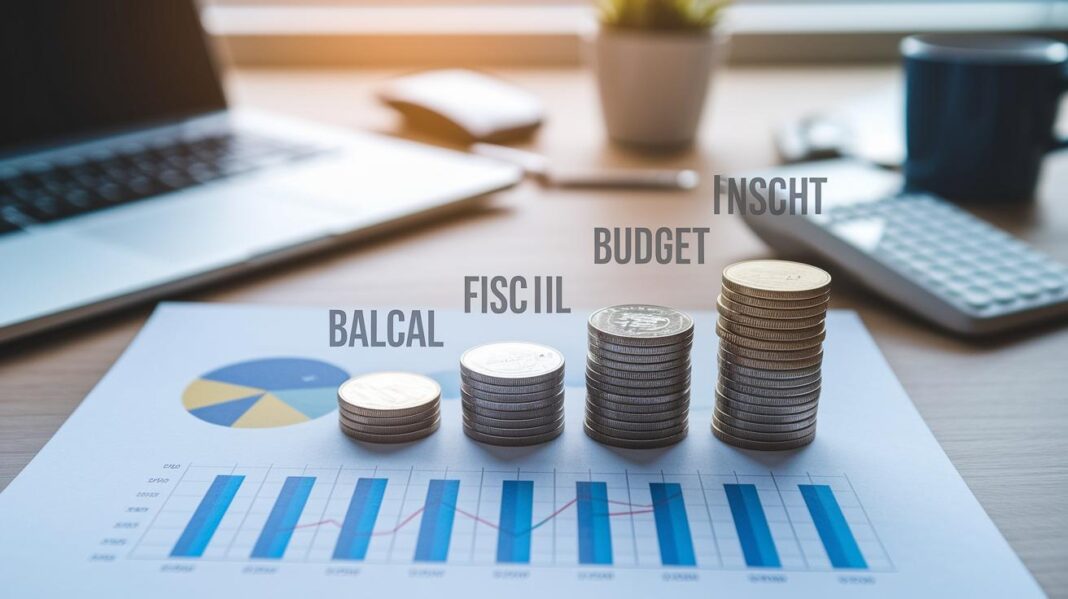


Ever wondered how breaking a big goal into small tasks can lead to real wins? Tactical planning turns long-term ideas into simple, clear steps that anyone on your team can start right away. Picture setting a goal to boost revenue and seeing each team focus on a small, measurable task that adds up. This practical approach makes big visions manageable and helps everyone work together.
Your next step: Pick one big goal, split it into three clear tasks, and set a deadline for each. Start now and watch your progress grow.
Defining Tactical Planning: Purpose, Scope, and Importance
Tactical planning takes your big, long-term ideas and turns them into clear, short-term tasks that teams can start right away. It’s all about breaking down a broader vision into simple steps. For instance, if your goal is to increase revenue by 20%, your production, marketing, and customer service teams might each develop a plan with tasks they can complete in just a few months.
Unlike strategic planning, which maps out your overall direction for the next few years, tactical planning zooms in on what you can do next. It connects your long-term goals to everyday actions, making your big dreams more manageable by focusing on monthly projects. Try this: remember that one tech company once boosted its quarterly results by 25% just by getting all departments to align their immediate plans.
There’s also operational planning, which deals with the everyday tasks needed to keep things running. While operational plans are set by teams handling daily work, tactical plans are built by department managers who decide which projects get top priority and make sure the right resources are available. This way, top executives and on-the-ground managers work together, so everyone knows exactly how to help move the company forward.
Your next step: Share these ideas with your team in your next meeting. Ask each department to list one immediate task that ties into your broader goals.
tactical planning Sparks Winning Strategies

Start by setting clear goals that are SMART (specific, measurable, achievable, realistic, and time-bound). For example, aim to boost monthly revenue by 10% within 6 months. This clear target gives your team a goal to work toward.
Next, map out your timeline. Write down the start and end dates for each task so everyone knows when to act. For instance, begin a project on May 1 and finish by June 30. These dates keep the work on track.
Then, break big projects into smaller steps using a simple plan. If you're launching a new product, start with market research, then design prototypes, and finally test the product. Tackling one small step at a time makes the project more manageable.
Also, plan your resources. List the materials, team members, and budget you need. This step helps you avoid unexpected problems later.
Finally, set key performance indicators like revenue growth or new customer numbers. These numbers help you see if your plan is working or needs a few tweaks.
Your next step: Review your current projects and add clear SMART goals, set out timelines, and list simple action steps to boost your progress.
A Step-by-Step Process for Developing Your Tactical Plan
This guide builds on basic planning ideas. For the simple steps like setting clear goals and timelines, check out our original guide. Today, we look at a few advanced methods to fine-tune your daily actions and make your plan more flexible.
-
Break tasks into simple daily routines.
Every morning, list three specific tasks. For example, you might write, "Send five follow-up emails by noon." This simple list helps you start the day on the right foot. -
Set aside time for unexpected changes.
Reserve an extra 30 minutes each day for small setbacks. For instance, you could note, "Spend 30 minutes after main tasks to address any urgent calls or emails." -
Organize resources with a clear chart.
Create an easy-to-read chart that shows which tasks need which tools and who will handle them.Task Tool/Role Email follow-ups CRM software, Sales rep Social media posts Design app, Marketing assistant -
Try out new ideas with small projects.
Use mini-projects to test new tactics. For example, run a limited email campaign with 10 customers to see the response before a full-scale roll-out. -
Review and tweak your approach as you go.
At the end of each stage, note what worked well and what slowed you down. After a week-long trial, jot down any tasks that took longer than expected and adjust your schedule accordingly.
Your next step: Choose one of these advanced techniques and apply it to your current project today.
Comparing Tactical, Strategic, and Operational Planning

This guide shows how different planning levels work together as a team. Each one has a special role in turning big ideas into everyday tasks.
| Aspect | Strategic Planning | Tactical Planning | Operational Planning |
|---|---|---|---|
| Time Frame | 2–3+ years | 3–12 months | Days to weeks |
| Scope | Overall direction | Department projects | Daily tasks |
| Responsibility | Executives | Managers | Supervisors |
| Focus | Big-picture goals | Execution details | Task-level performance |
Strategic planning sets your long-term course and defines major goals for the next few years. Tactical planning then takes those goals and breaks them into actionable projects over several months. Operational planning covers the daily tasks that keep everything running smoothly.
Try this: Review your current planning methods and see if they match these levels. Adjust them so that your strategic vision, tactical projects, and daily tasks all point in the same direction.
Real-World Tactical Planning Examples and Case Studies
One example is an appliance maker aiming to boost net revenue by 20% and profit margin by 10%. They break this broad goal into daily tasks. The production team finds affordable suppliers to cut costs and raise margins. The marketing team studies trends to uncover new opportunities and keep the company competitive. Customer service sets up extra maintenance centers to improve loyalty, while product development adds niche products to the mix. This clear plan turns big ambitions into simple, measurable actions.
Another case is a small retail chain that planned a seasonal marketing campaign using a simple blueprint. They reviewed past sales data to set clear, time-bound targets. Tasks were divided among setting up in-store displays, digital ads, and staff training. This setup allowed them to quickly adjust to customer demand while staying focused on long-term growth.
These examples show that tactical planning is not just a theory. When each department focuses on everyday steps and tracks simple metrics like daily sales and customer engagement, a series of small projects can drive overall success.
Your next step: Pick one project or goal and list three daily tasks that can move you closer to that goal.
Tools and Templates to Streamline Tactical Planning

If you're short on time, try using templates that speed up setup and boost your plan's accuracy. For example, a SWOT matrix template shows strengths, weaknesses, opportunities, and threats in a simple visual chart. This clear view helps you see which parts need more work and which are ready to roll.
Need to track tasks and manage resources? An Excel action-plan template lets you assign tasks and monitor progress easily. If you prefer working in a document, a Word project-plan template breaks down goals, timelines, and deliverables in plain language so everyone stays on the same page.
When it's time to share your plan, consider using a PowerPoint framework. This tool presents your tactical roadmap in a visual and engaging way, perfect for meetings where clarity is key.
Modern project management platforms often come with built-in tools like Gantt charts, Kanban boards, and real-time dashboards. These features help you check progress at a glance and adjust your plan quickly when needed.
Next step: Choose one template or tool from this list, set it up for a small project, and start tracking your progress today.
Measuring and Improving Tactical Plan Performance
Keep your tactical plans on track with clear numbers and regular check-ins. Start by setting easy-to-follow goals such as boosting monthly revenue by $5,000 or adding 10 new clients each month. These simple targets show you right away if your plan works.
Next, create a clear dashboard to watch your progress. For example, a weekly graph comparing your targets to real results can show if you need to change tactics. If your dashboard shows a 5% drop in new client numbers, it’s a good time to rethink your follow-ups.
Make time for short review meetings, either weekly or monthly, to compare what you expected with what actually happened. Ask your team for feedback during these meetings so you can spot quick wins and fix any problems.
Finally, use the numbers and team input to change your plan as needed. If your sales team isn’t meeting its goal, add extra follow-up actions or adjust their daily tasks. This simple cycle of checking and tweaking helps your plan improve over time.
Your next step: Build a basic dashboard and schedule your first review meeting to start tracking your progress today.
Final Words
In the action, you got a clear view of tactical planning. We broke down how to turn big-picture strategy into real steps with SMART goals, timelines, and easy-to-follow actions. You also saw how tactical planning fits with strategic and operational approaches and learned through practical examples and ready-to-use tools.
Keep using tactical planning to turn your ideas into measurable progress. Take a small step today, and watch how your planning brings you closer to success.