


Quick win: Saving a little from every paycheck can boost your financial future.
Have you ever thought that putting aside just $5 each time you get paid might make a big difference? Each small deposit builds a habit that leads to more financial stability. In this guide, we show you simple, step-by-step actions that you can start today. With a regular small saving, you can enjoy quick benefits and build long-term security.
Your next step: Choose a small amount to set aside from your next paycheck and start building your savings habit now.
Key Foundations for Building a Savings Habit
Start saving a little bit every paycheck to build a strong financial future. Even small amounts like $5 or $25 can grow over time. Making saving a regular habit turns an idea into a part of your everyday routine.
Focus on simple, steady actions. When you save a small amount each pay cycle, you build a system that helps you make progress over time. This regular effort is the backbone of a routine that is both manageable and effective.
Try this:
- Set aside a fixed small amount with each paycheck.
- Give each deposit a clear purpose (for example, an emergency fund or a vacation).
- Check your progress weekly to keep motivated.
- Adjust your savings goal as your income or expenses change.
Your next step: Commit to these four steps. By saving steadily with a clear goal and tracking your progress, your savings will become a natural part of your financial life. This small, consistent effort builds both discipline and a strong routine for the future.
Define Your WHY to Fuel a Savings Habit
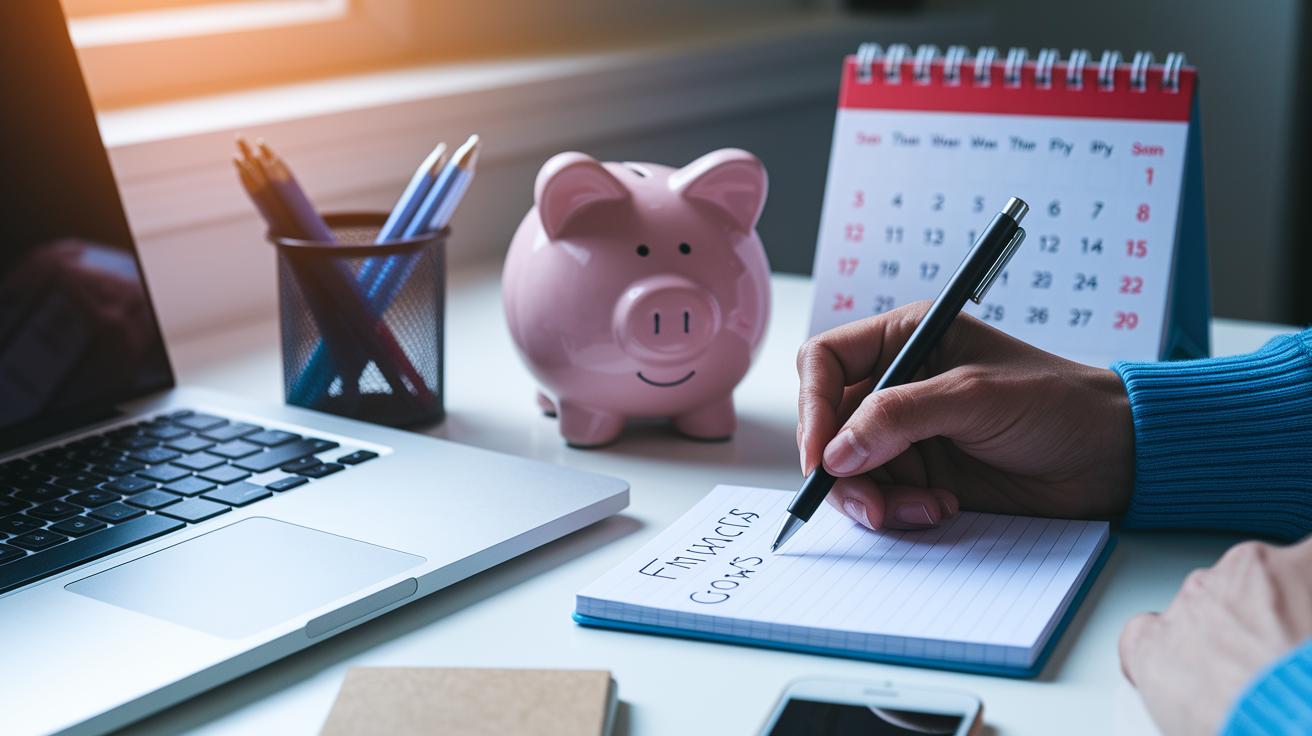
When you have a clear goal, saving money stops feeling like a chore. It gives you a solid reason to put money aside, whether that's saving $500 for car repairs or $5,000 for a dream vacation. Knowing your target helps you stay on track during tight months or when unexpected bills come up. Think of your goal as the fuel that drives you forward. It transforms saving into an act with real meaning.
Short-Term Goals
Short-term goals are targets you can hit within a year. You might set aside money for a minor medical bill, a routine repair, or even a fun weekend trip. These small wins boost your confidence and prove that saving is both doable and rewarding. Your next step: jot down one short-term saving goal you can work on this month.
Long-Term Goals
Long-term goals are bigger dreams like saving for a home down payment, planning for retirement, or funding education. They take more time and steady effort but remind you of the bigger picture. Focusing on these goals helps you plan your spending today for important financial achievements tomorrow. Your next step: write down one long-term goal and one practical action you can take this week to move closer to it.
By blending both short- and long-term goals, you keep your eye on quick wins while gearing up for major milestones. This balanced approach builds a strong saving habit that helps you navigate any financial challenge.
Crafting a Realistic Spending Plan for Savings
A clear spending plan is the key to building healthy savings habits. When you give every dollar a purpose, you gain better control over your money. A plan that works covers your must-pay bills and still leaves room for savings. By assigning each dollar a task, you cut down on waste and direct extra funds toward your goals.
Here’s a quick win to get started:
- Sort your costs into fixed (regular bills) and variable (expenses that can change).
- Set clear spending limits for each category.
- Track your spending using cash envelopes or an app , for example, try a zero-based budgeting app.
- Review your numbers each month and adjust as needed.
- Set aside a little “fun money” so you don’t feel restricted.
- Build an everyday savings buffer for those unexpected moments.
Keep your plan flexible. Life may throw an extra bill your way or present a surprising opportunity, so check your budget often to make sure it still fits your needs. If you notice spending creeping up in one area, shift funds or change your limits. Treat your spending plan as a helpful tool you can tweak over time. This approach helps your savings grow steadily while you cover everyday costs.
Your next step: Take a moment to review your current spending. Then, try adjusting one of your categories today to see how it works for you.
Automating Savings with Direct Deposit and Round-Ups

When you automate your savings, you take the guesswork out of putting money aside. With direct deposit, you can have a fixed amount, say, $10 or $25, sent from your paycheck straight into your savings account. This simple step makes saving a regular part of your routine, so your money grows gradually without you having to think about it.
Banks also offer tools to make saving even easier. Many provide round-up features that add the extra change from your debit or credit card purchases to your savings account automatically. Even small amounts add up over time, and using a tool like this can help you build your fund without extra effort. Try this: check if your bank has a round-up savings feature.
- Split your direct deposit between checking and savings.
- Use round-up apps for everyday purchases.
- Set up scheduled transfers with your mobile banking app.
By scheduling regular deposits, you remove the need for constant reminders. Each paycheck contributes to building your savings and strengthens your money habits. Your next step: log in to your mobile banking app and set up a direct deposit split or round-up transfer today to start growing your savings effortlessly.
Tracking Your Savings Progress with Clear Metrics
Keeping an eye on your savings is a smart way to hit your money goals. A quick look at your balance and spending habits makes your goal clear and helps you steer clear of old habits. Try checking in every week or month so you can see your progress and make small changes along the way.
| Metric | Frequency | Tool |
|---|---|---|
| Savings Balance | Weekly | Bank App |
| Budget vs. Actual | Monthly | Spreadsheet |
| Round-Up Totals | Biweekly | Automation App |
| Goal Progress % | Monthly | Goal Tracker |
Use these checks to fine-tune your plan. If your bank app shows a lower balance than you expected, think about adjusting your automatic transfers. Compare your spending to your budget each month with a simple spreadsheet, it can reveal if extra spending is slowing you down. Try increasing your deposit on good weeks or cutting back on spending when needed. These clear steps help you tweak your habits and stay on the path to a stronger savings plan.
Creative and Frugal Strategies to Support Your Savings Habit

Saving money can be fun when you mix creative ideas with daily habits. Instead of seeing saving as a chore, treat it as a challenge you get to win every day. Small steps like tracking spare change or choosing to spend mindfully can free up cash without turning your life upside down.
Try this: Pick one creative saving trick today and see how it fits into your routine. Here are three simple ideas to test out:
- Use cash envelopes for different goals.
- Challenge yourself with a no-spend week every few months.
- Explore digital envelope tools to manage your budget by category.
By blending these fresh tactics with your everyday habits, you create a savings system that adapts to your needs. Every small tweak can help you feel more engaged with your financial journey. Your next step: Try one of these methods this month and watch how it brightens your money plan.
Overcoming Common Roadblocks When Building a Savings Habit
Building a steady savings habit isn’t always easy. Some months will be tougher than others, and unexpected problems can slow you down if you don’t fix them quickly. When you deal with these issues early, you keep your savings on track and turn small setbacks into quick wins.
- If your income varies, adjust how much you save each time.
- If an unexpected cost comes up, dip into your backup funds.
- If you feel unmotivated, revisit your reasons for saving and tweak your goals.
- If your spending starts to creep up, try a short-term spending freeze.
- If your automated transfer fails, set up a simple manual backup transfer.
Remember, even saving a little, like $5 instead of $10, adds up over time. By planning for tight months and celebrating progress when times are good, you build a stronger, more flexible savings habit. Your next step? Review your budget this week and pick one of these tips to try out.
Final Words
In the action, you learned how to build a savings habit by setting small, clear steps. You discovered that saving even $5 to $25 per paycheck, automating deposits, and tracking progress can make all the difference.
Your plan, whether through a fixed deposit scheme or creative frugal tactics, helps maintain steady momentum. Stick with the process, adjust when needed, and celebrate each small win. Every effort brings you closer to confident, sustainable financial growth.
FAQ
How to build a savings habit reddit
The question how to build a savings habit on Reddit suggests that online communities share tips like starting small, automating deposits, and tracking progress using budgeting tools to establish a solid savings routine.
How to build a savings habit pdf
The question how to build a savings habit PDF implies that downloadable guides offer clear, step-by-step instructions, actionable plans, and checklists to help you form consistent saving habits quickly and easily.
How to build a savings habit for beginners
The question how to build a savings habit for beginners means beginning with small, fixed amounts, linking each deposit to a goal, and using simple tools to track progress for a smooth start in saving money.
Clever ways to save money
The question clever ways to save money points to ideas like cash envelopes, no-spend challenges, and round-up features, which all encourage small, creative, and consistent actions to gradually grow your savings.
Top 10 brilliant money saving tips
The question top 10 brilliant money saving tips highlights practical advice such as zero-based budgeting, automating savings, setting specific goals, and using digital envelope systems to improve daily saving habits.
Saving habits of students
The question saving habits of students shows that many students adopt simple routines like using budgeting apps, saving small amounts regularly, and limiting discretionary spending to manage finances effectively on a tight budget.
Modern ways of saving money
The question modern ways of saving money implies using digital tools like automated transfers, round-up apps, and online trackers that simplify saving, making it an effortless part of your everyday financial routine.
10 benefits of saving money
The question 10 benefits of saving money explains that saving money builds financial security, reduces stress during emergencies, enhances budgeting skills, and sets a strong foundation for future investments and financial freedom.
What is the $27.39 rule?
The question what is the $27.39 rule refers to a method where saving a specific amount, like $27.39, is used as a benchmark to kickstart consistent saving habits, though details can vary depending on the source.
How to develop a habit of saving?
The question how to develop a habit of saving indicates using simple steps such as setting aside a fixed amount each pay cycle, defining clear goals, and monitoring progress regularly to make saving a routine habit.
What is the 3 6 9 rule of money?
The question what is the 3 6 9 rule of money refers to a budgeting guideline that suggests allocating money in stages or percentages to help maintain consistency in saving and managing everyday expenses.
What is the 3 3 3 rule for money?
The question what is the 3 3 3 rule for money points to a strategy that splits income into three parts—emergency savings, short-term needs, and long-term goals—to manage funds in a balanced and systematic way.