

Ever feel uncertain about where your money goes each month? Envelope budgeting can clear things up. By putting cash into separate envelopes for expenses like groceries or transportation, you see exactly what you have left for each need. This simple approach helps you cut down on extra spending and stick to your plan. You can quickly spot overspending and adjust before it becomes a problem. Try envelope budgeting today for a clearer, more controlled view of your finances.
Enhanced Spending Control with Envelope Budgeting
Envelope budgeting helps you see your spending clearly. You set aside cash for each expense, like placing $250 in a grocery envelope. When the cash is gone, you simply don’t spend any more in that category. This method shows you exactly how much you have left, which keeps you from making extra purchases. For instance, if you notice your dining-out envelope is nearly empty, you might skip that extra latte.
Using cash gives you a clear, physical reminder of your funds. Instead of watching numbers on a screen, you hold your budget in your hand. This tangible cue helps prevent impulse buys and keeps your spending in check. Sticking to your set amounts means you avoid borrowing money from other envelopes, keeping your expenses aligned with your goals.
Your next step: Try envelope budgeting today. Grab some envelopes, assign them to your key spending areas, and experience how easy it is to manage your money when you can see it right in front of you.
Common Expense Categories in Cash Envelope Budgeting
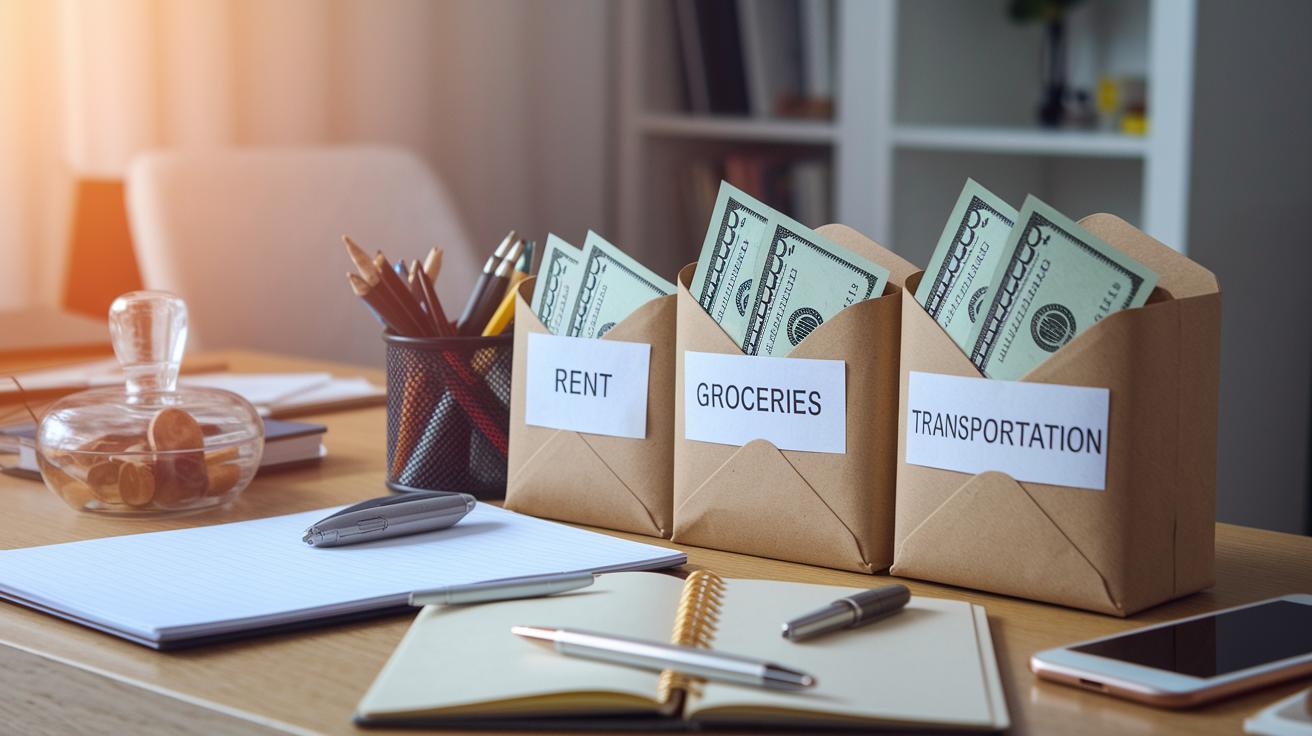
Envelope budgeting means you split your cash into separate spots so you know exactly where each dollar is headed. With this system, you can easily see how much cash is left for each expense, such as rent, groceries, or transportation. This hands-on approach stops you from overspending because you have a fixed cash amount for every category.
Try this: Grab a monthly budget planner and decide how much cash to put in each envelope. When one envelope is running low, you know it's time to adjust. This method keeps you aware of your spending and helps you avoid surprises.
Here’s a quick bullet list of common envelope categories:
- Rent
- Groceries
- Utilities
- Transportation
- Entertainment
You can also tweak your envelopes to match your unique expenses. For instance, add envelopes for childcare or health care if needed. Any extra cash you have at the end of the month rolls over. This not only rewards your budgeting efforts but also builds savings for the future. Keep an eye on each envelope; a thinning envelope means it's time to review your spending before funds run out entirely.
Preventing Impulse Purchases with Envelope Budgeting
Envelope budgeting helps you stick to your spending plan by using physical cash for each expense. When you fill an envelope with a set amount for a category like entertainment, you only spend what’s in that envelope. For example, if your entertainment envelope has $50 and you’re almost out, you’re more likely to skip a fun outing instead of taking money from another envelope. One study found that people who used cash were 30% less likely to make unplanned purchases than those who relied only on digital payments. This method makes every cash withdrawal a clear, mindful choice.
Splitting up your money into different envelopes makes you think twice about every expense. When you see just a small amount left for dining out, like only $5 in your envelope, it gently reminds you to cut back on that extra coffee or snack. This hands-on approach keeps spending in check and builds a habit of smart cash management. Try this: set up envelopes for each spending area, and pay with cash only. It’s a quick and practical way to get a grip on your money.
Customizing and Rolling Over Funds in Envelope Budgeting
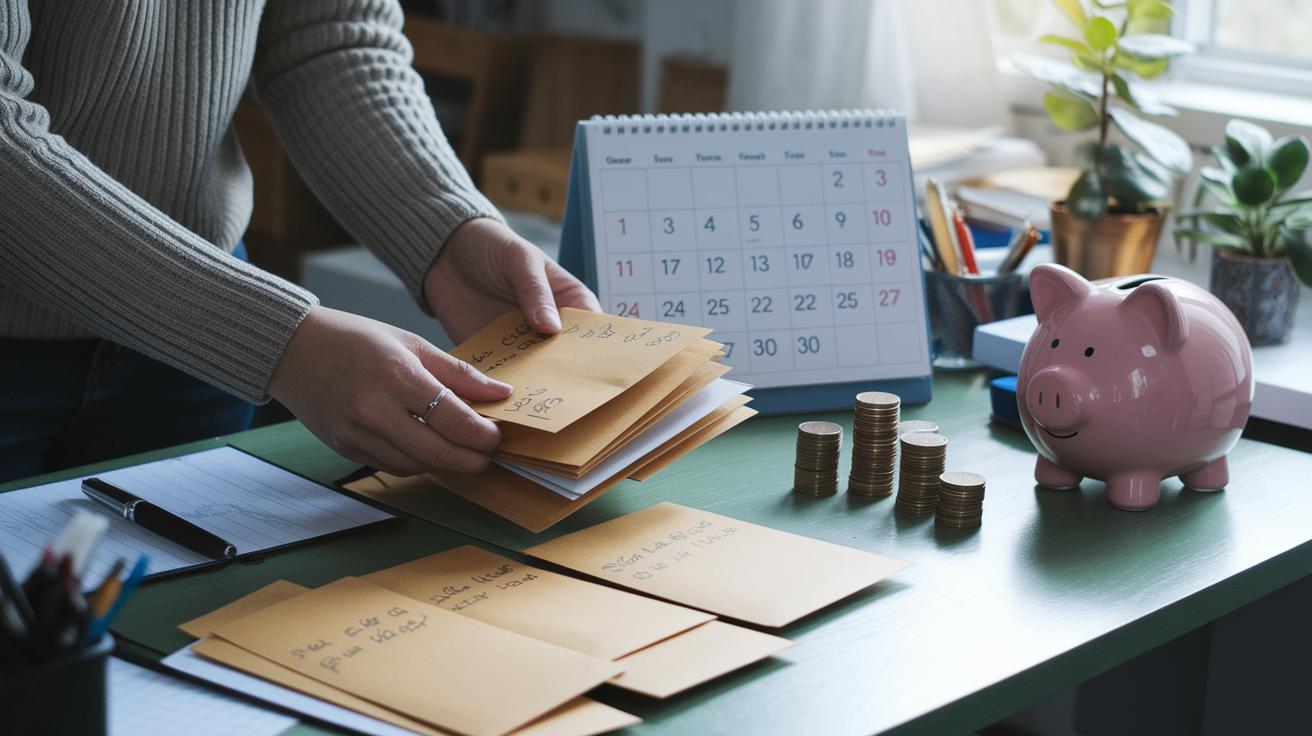
Envelope budgeting lets you match your budgeting cycle with your pay schedule. You can set up cash pockets every week, every two weeks, or every month to match your habits. Using real cash instead of digital tools makes your spending clearer. For example, if you put aside money for groceries on payday, you'll easily see how much is left to spend.
Any cash you don’t use is not wasted. At the end of the month, you can roll over the extra cash to boost the next month’s budget or save for a special goal like a $50 vacation fund. This rollover feature shows you the positive results of sticking to your plan.
Many people find that handling cash feels more practical than using an app. Although digital tools, like personal finance software (https://thefreshfinance.com?p=85), can copy this system, real cash creates a more hands-on experience. Customizing your envelopes and watching cash move from one period to the next builds a simple habit that strengthens your financial control.
Your next step: Try setting up one envelope for a recurring expense this month and track the cash flow to see how it works for you.
Final Words
In the action, envelope budgeting gives you clear control by limiting spending with cash set aside for each expense. Using physical envelopes encourages mindful purchases and stops overspending when cash runs out. This method helps you track common expenses like groceries, transportation, and entertainment efficiently. Leftover cash can roll over to boost future plans. One benefit of envelope budgeting is improved spending control. Try setting up your own cash pockets today and watch simple habits boost your financial progress.
FAQ
What might be one drawback of zero-based budgeting?
The process of zero-based budgeting may be seen as time-consuming since you allocate every dollar, which can leave little room for unexpected changes and makes it less flexible when income varies.
What does envelope budgeting mean when you deal with only cash and physical envelopes?
Envelope budgeting means you restrict spending by using only cash stored in envelopes. This method forces you to spend what’s available, reducing the risk of overspending in each category.
What are the pros and cons of envelope budgeting?
The envelope system offers benefits like clear cash limits and visual spending cues. On the downside, it limits digital payment tracking and may expose you to risks such as loss or theft of physical cash.
What is envelope budgeting and how does the theory work?
Envelope budgeting is a method where you allocate your cash into separate envelopes for each expense category. This approach enforces spending discipline by restricting you to the cash available in each envelope.
How do envelope budgeting categories work and can you give an example?
Envelope budgeting categories split your cash into pockets like rent, groceries, utilities, transportation, and entertainment. For example, any cash left over in a groceries envelope can roll over to next month, boosting your savings.
What is a digital envelope budget system?
A digital envelope budget system replicates the physical envelope method using an app or online tool. It helps you monitor categorized spending conveniently, though it may lack the tactile reinforcement of physical cash.
What is one benefit of envelope budgeting according to Quizlet?
One benefit, as mentioned on Quizlet, is that envelope budgeting visually limits your spending by using a fixed cash reserve for each category, which reinforces discipline and prevents overspending.
What are the benefits of budgeting money?
Budgeting money helps you track expenses, curb impulse buys, and build savings. It sets spending limits and gives you a clear picture of your finances, leading to better overall money management.