


Are you ready for life's surprises? A sudden job loss or unexpected repair can hit your wallet hard. Money experts say you should build a cushion of 3 to 6 months of living expenses. Yet many people have only a small reserve saved up.
This guide shows you exactly how much you need and offers a simple plan to build your own safety net step by step using your everyday spending.
Your next step: List your monthly expenses and check your current savings. This simple act can steer you toward a more secure financial future.
How Much Emergency Fund Do You Really Need?
Money experts recommend saving 3 to 6 months of your basic living costs, like housing, food, and utilities. Think of it as your safety net for unexpected emergencies. For example, if you spend $1,500 a month on essentials, your goal should be to save between $4,500 and $9,000. Many people start with a three-month reserve and then adjust based on their unique situation.
The numbers tell a clear story. About 21% of Americans don’t have any emergency savings, and 37% wouldn’t be able to handle an unforeseen $400 expense. Nationwide, the median savings is only $600. Breaking it down further, Baby Boomers typically have around $1,000, Gen Xers about $868, Millennials $500, and Gen Z only $200. Men usually save around $1,000, which is roughly double what women save on average.
Your next step: List your essential monthly expenses and set a clear savings target. Start by saving a small monthly amount using automatic transfers. This steady effort can help you build a robust fund to cover those unexpected costs.
Understanding an Emergency Fund as Your Financial Safety Net
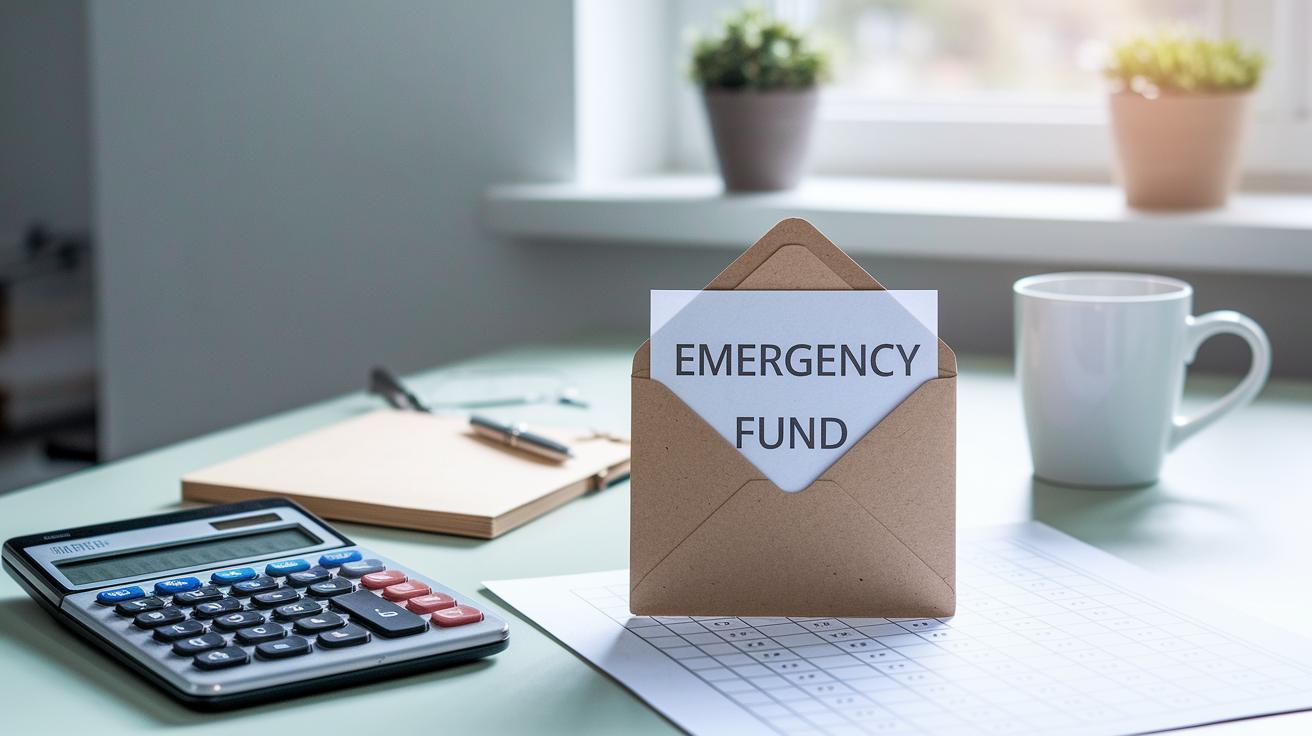
An emergency fund is the money you set aside for unexpected expenses. Think of it as a cash cushion for times when you face events like job loss, medical bills, or urgent home repairs. For example, if your car needs a quick repair, using this fund means you avoid high credit card fees.
This fund gives you immediate security when life surprises you. It helps you steer clear of expensive borrowing options and keeps your daily finances stable while you work on long-term goals like retirement. Try this: download a simple budget template and list three potential emergency expenses to start planning your fund.
Remember, using your emergency fund for everyday expenses can delay your progress in building wealth. Keep a steady balance between having funds available now and growing your savings for the future. Learn more about the role of an emergency fund by visiting this link for additional details.
Calculate Your Emergency Fund Target in 4 Steps
Start by writing down all your monthly costs. Split them into must-haves and extras. Must-haves include things like your rent or mortgage, utilities, groceries, transportation, and minimum debt payments. For example, you might have $1,200 for rent, $150 for utilities, $300 for groceries, and $100 for transportation.
-
Jot down every cost you have.
- Must-haves: housing, utilities, groceries, transportation, minimum debt payments
- Extras: dining out, subscription services, leisure activities
-
Add up all your must-have expenses. This total is the basic amount you need each month to cover your living needs.
-
Multiply that total by 3 to 6. For example, if your must-have expenses add up to $1,850, then your emergency fund should be between $5,550 (3 months) and $11,100 (6 months). Think about your job stability and any extra family costs when you decide on the right number.
-
Make it a habit to review your expenses. As your costs change, recalculate your emergency fund goal. Try using a simple monthly savings calculator to see your progress and keep your budget updated.
Your next step: Write down your current must-have expenses today and use a free budget template to start tracking your progress.
Strategies for Building Your Emergency Fund Quickly

If you want a safety net fast, try these steps. First, set up automatic transfers from your checking account to a savings account you use only for your emergency fund. Pick a regular day each week or month and stick to it. For example, you can move $50 every week without thinking about it.
Next, put any extra money into your fund. Whether it's a bonus, tax refund, or money from a side gig, even small amounts can add up if you commit them fully.
It also helps to set small, clear milestones. Instead of only thinking about a big goal, celebrate every $500 saved. These little wins keep you motivated and show progress.
A high-yield savings account can boost your savings, too. With higher interest rates, your money grows faster while still being easy to access in an emergency.
Finally, check your plan every few months. If you get a raise or your expenses change, increase your savings contribution to keep your fund growing steadily.
| Step | Action |
|---|---|
| 1 | Automate transfers from checking to savings |
| 2 | Add extra income like bonuses or refunds |
| 3 | Set and celebrate small milestones (every $500 saved) |
| 4 | Choose a high-yield savings account |
| 5 | Review and adjust your savings plan quarterly |
Try these actions today to build a solid emergency fund that keeps you prepared for whatever comes next.
Best Places to Store Your Emergency Fund Reserves
If you want fast access and a little extra interest on your emergency cash, keep it in an account built for safety and quick withdrawals. A high-yield savings account gives you a competitive rate while letting you grab funds when needed. Money market accounts work similarly and even let you write checks, which means you can pull out cash fast. Short-term Treasury bills are also very secure, although it might take a bit longer to get your money if an emergency pops up.
It makes sense to park your emergency money in a separate account rather than mixing it with everyday spending cash. Think of it like storing your valuables in a small safe instead of leaving them where they’re easy to grab.
| Account Type | Access | Yield | Key Benefit |
|---|---|---|---|
| High-yield Savings | Immediate | Competitive | Quick access and higher interest |
| Money Market | Immediate | Moderate to high | Extra flexibility with check-writing |
| Short-term Treasury Bills | Slight delay | Secure | Strong safety net |
Tailoring Your Emergency Fund to Personal Circumstances

Figure out your emergency fund by looking closely at your income and household needs. If you earn one income or work for yourself, aim to save enough to cover 6 to 12 months of expenses. This means if one paycheck is your only source, you need a bigger cushion to handle slow periods. On the other hand, households with two or more incomes can start with about a 3-month buffer and still stay secure.
Look at any extra expenses that might come up. For example, having children or other dependents can mean higher medical or childcare costs. If your work is seasonal or the income isn’t steady, add extra savings as a safety net.
Big life changes, like a new baby, getting married, or switching careers, can really change what you spend each month. Write down your essential expenses and see if you need to adjust your savings. Try this: jot down your fixed costs and add a bit more for comfort. Then, check your emergency fund once a year to make sure it grows along with your needs and keeps you prepared.
When to Use and How to Replenish Your Emergency Fund
Only dip into your emergency fund for real crises, like unexpected medical bills, urgent car repairs, or a sudden loss of income. Think of this reserve as your financial lifeline. For example, if your car needs major repairs, using your backup can keep you from borrowing money at high rates.
After you take money out, set a goal to refill your fund within three months. Try automating transfers or saving any extra cash, like bonus checks, until you reach your target again.
Review your expenses and fund strategy once a year. This helps ensure your reserve is always ready for true emergencies. And remember, keep your emergency fund strictly for urgent needs. If you need more guidance, consider exploring strategies to protect your finances further.
Final Words
In the action, we broke down how to build your financial safety net. We walked through budgeting your essential expenses and aiming for a reserve that fits your circumstances. You learned how to calculate your target, where to store your funds, and ways to rebuild your cushion quickly. This guide showed the step-by-step process to help you decide how much emergency fund works for your situation. Take a few minutes to review your strategy today. Every small step you take builds your financial strength, one win at a time.
FAQ
How much emergency fund reddit
The discussions on reddit suggest saving enough to cover 3 to 6 months of your essential expenses like housing, groceries, and utilities for a reliable cushion.
How much emergency fund calculator
An emergency fund calculator typically multiplies your monthly essential expenses by 3 to 6, helping you set a target based on your spending habits and risk level.
How much emergency fund per month
How much to save per month depends on your goal. Saving regularly from each paycheck until you hit a 3 to 6 month reserve builds your safety net over time.
$30,000 emergency fund
Having a $30,000 emergency fund can be a solid safety net if it covers several months of essential expenses, offering peace of mind during unexpected financial setbacks.
How much emergency fund for single person
A single person should target a reserve that covers 3 to 6 months of essential living expenses, with adjustments based on income stability and local cost of living.
6 month emergency fund calculator
A 6-month emergency fund calculator estimates your target by multiplying monthly essential expenses by 6, providing a clear goal for a robust financial backup.
Emergency Fund from government
Government programs sometimes offer temporary financial support during crises, but they rarely cover all expenses. Building your own emergency fund is key to long-term security.
How much emergency fund should I have in retirement
In retirement, having an emergency fund to cover 3 to 6 months of necessary expenses helps manage unexpected costs, with adjustments based on your health care and living expenses.
Is $20,000 enough for an emergency fund?
Determining if $20,000 is enough depends on your monthly expenses. For some, it covers a 3 to 6 month cushion; others might need more based on their financial obligations.
What is the 3 6 9 rule in finance?
The 3-6-9 rule in finance suggests keeping a basic reserve of 3 months of expenses, with goals to extend it to 6 and eventually 9 months for enhanced financial security.
Is $30,000 a good emergency fund?
A $30,000 emergency fund is solid if it covers at least 3 months of essential expenses, offering a strong buffer against unexpected costs and reducing reliance on credit.
Is 10k enough for an emergency fund?
A $10,000 emergency fund can be sufficient for some if it meets a 3 to 6 month cushion for essential expenses, but you should assess your own monthly costs to decide.