
Ever feel like your money just disappears with no plan? Try using a zero-based budgeting app. These apps help you give every dollar a specific job by guiding you step by step.
In our review, we compare top apps that work with both automated rules and direct number entry. We list their features, prices, and ease of use so you can decide which one fits your life best. Your next step: explore one of these apps and start taking control of your money today.
Best Zero-Based Budgeting Apps for Assigning Every Dollar
If you're looking to give every dollar a job, these apps can help you set up a zero-based budget. Compare them side by side by looking at their features, pricing, and who they work best for. Some apps set rules automatically while others let you enter numbers manually or work with spreadsheets. Think about the interface, whether it's made for you, and how much control you want over your budget.
| App Name | Key Features | Pricing | Free Plan Available | Platform |
|---|---|---|---|---|
| YNAB | Four-rule method with advanced goal planning | $14.99/mo or $109/yr | No | Web, iOS, Android |
| EveryDollar | Manual entry and pre-month budgeting based on Dave Ramsey’s plan | Free manual; Premium $12.95/mo or $99/yr | Yes (manual-entry) | Web, iOS, Android |
| Goodbudget | Digital envelope system with sharing across devices | Free (10 envelopes); Plus $7/mo or $60/yr | Yes | Web, iOS, Android |
| PocketGuard | Automatic transaction tracking with a clear “In My Pocket” view | Free basic; Plus $3.99/mo | Yes | Web, iOS, Android |
| Honeydue | Budgeting for couples with shared bill reminders | Core free; Upgrades available | Yes | Web, iOS, Android |
| Mint | All-in-one tracker with auto categorization and credit monitoring | Free with ads | Yes | Web, iOS, Android |
| Tiller | Live data in spreadsheets with custom reports | 30-day free trial, then $79/yr | No | Google Sheets, Excel |
If you're new to budgeting, try PocketGuard or Mint for easy, automatic tracking. Families and couples might like Goodbudget's envelope system or Honeydue's shared features. Those who enjoy a hands-on approach may prefer EveryDollar. And if you want advanced tools, YNAB and Tiller are strong choices.
Your next step: Choose one app to test out this week. Download it, set a simple budget, and see how it fits your routine.
Advanced Features in Zero-Based Budgeting Apps
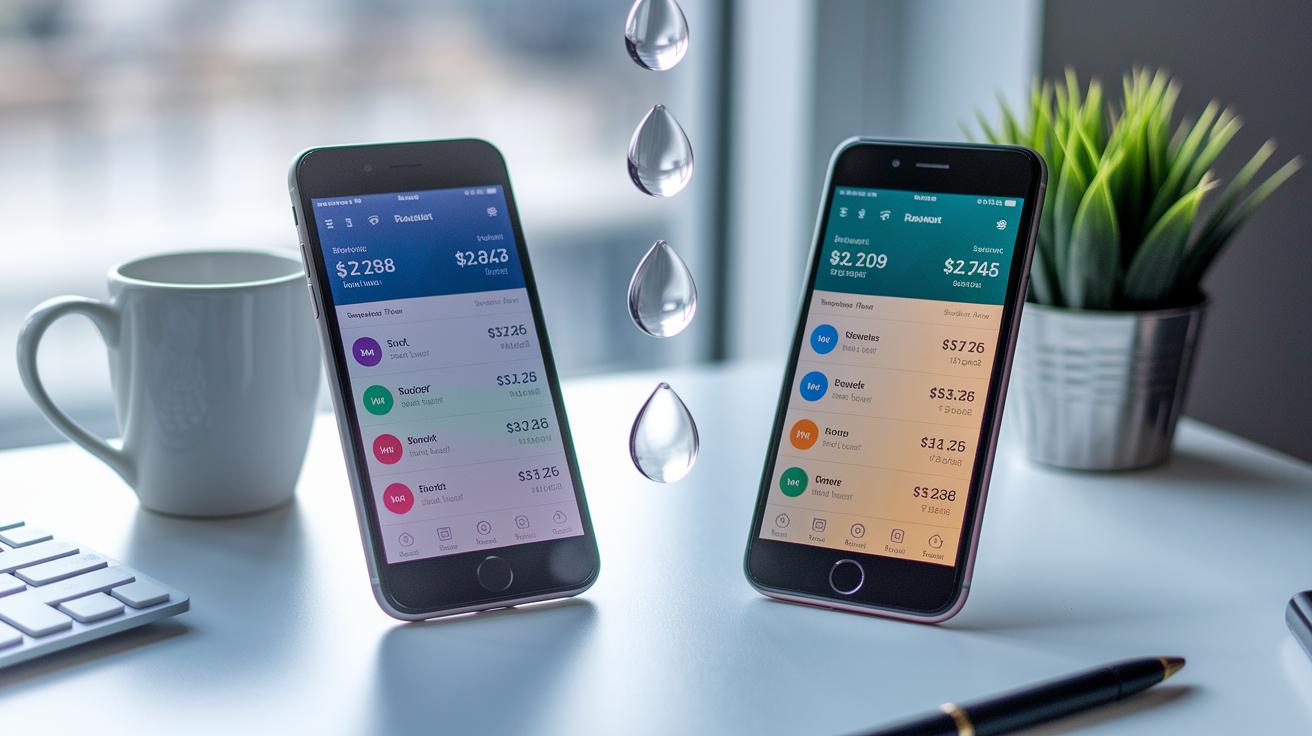
YNAB links every dollar to a specific task with a simple four-rule system and clear dashboards to track your goals. EveryDollar works a bit differently by setting up your budget at the beginning of the month so you can adjust it by hand to fit your income and spending needs. Both methods help you see your income and expenses side by side, but one is rule-driven while the other gives you more freedom.
These apps also cut down on manual work through automation. Goodbudget shows your envelope system in real time across your devices. PocketGuard gives you an "In My Pocket" view to quickly see the money you have left. Mint even pulls together several accounts and sends alerts about your credit score. This means you spend less time tracking and more time managing your money.
Some apps let you personalize your planning and work with others. Tiller updates live data in spreadsheets that you can tweak for detailed planning. Honeydue lets couples share notes on transactions and sends reminders for joint bills, which can help if you manage money together.
Your next step: Try out one of these apps and look for a free trial or demo to see which style fits your budgeting needs best.
Zero-Based Budgeting App Pricing and Subscription Plans
Take a look at our pricing table above for a clear side-by-side comparison. You'll easily see which options are free and which ones require a subscription, along with monthly and yearly billing details. For example, YNAB costs $14.99 per month or $109 per year, EveryDollar Premium is $12.95 per month or $99 per year, Goodbudget Plus is $7 per month or $60 per year, and PocketGuard Plus costs $3.99 per month.
We’ve also added extra details like trial lengths and cancellation options right in the table. For instance, Tiller gives you a 30-day trial to try out its spreadsheet automation. Plus, YNAB and EveryDollar feature clear cancellation terms so you won’t face any hidden fees.
This streamlined view means you only have to check one table to get all the pricing and subscription information you need.
Your next step: Review the table above, choose the plan that fits your budget, and start your free trial today for a hands-on look at what each app can do for your finances.
Choosing Your Zero-Based Budgeting App

Start by picking an app that matches your budgeting style. If you enjoy clear rules and step-by-step guidance, pick one with built-in prompts. If you prefer to handle every detail yourself, choose an app that lets you build your plan manually. Think of it like assembling a model kit where you choose every piece.
Next, consider how you use your devices and whether you need to share your budget with someone else. If you use different devices or plan to manage money with family or a partner, look for an app that syncs smoothly across web, iOS, and Android.
Also, match the app's extra features to your planning style. If you need a quick look at your money, go for an app with a simple overview. But if you want detailed spending reports and goal tracking, choose one that offers a robust dashboard to show your cash flow clearly.
| App | Best For | Decision Tip |
|---|---|---|
| YNAB | Rule-driven budgeters | Offers clear prompts for every dollar |
| EveryDollar | Hands-on budgeters | Great if you like entering details manually |
| Tiller | Spreadsheet enthusiasts | Perfect for detailed, customizable reports |
| Goodbudget | Family groups | Works well with shared expense tracking |
| Honeydue | Couples | Helps track shared expenses easily |
| PocketGuard | Beginners with cash flow | Gives you a quick look at available funds |
| Mint | Those wanting a full view | Combines accounts into one clear picture |
Tips for Successful Zero-Based Budgeting Apps
Master one budgeting app. Pick one app and stick with it. This helps you build a daily habit and keeps all your transactions in one place. For example, when you use an app like YNAB, you give every dollar a purpose at the start of the month. Try this: Choose your favorite app and use it every day for a month to see how it simplifies your finances.
Pair your budgeting app with an overall tracker. Use a tool like Mint to see your whole financial picture. This lets you watch your investments, credit score, and debt, while still focusing on daily spending. Your next step: Link your budgeting app with a broader tracker to get a better view of your money.
Plan for irregular income and unexpected costs. If you have different earnings each month or face surprise expenses, set up special savings for these outings. For instance, put aside a bit of money each time you get paid to cover annual insurance or home repairs. Try this: Create a small sinking fund within your budget to lower stress when costs bump up unexpectedly.
Review your budget every week. Take a few minutes to check your app and adjust funds as needed. Look for spending trends and correct them early before they add up. Your next step: Set a weekly reminder to review your entries and fine-tune your budget to stay on track.
Keep tweaking your system over time. Small changes can lead to better financial habits and a stronger savings plan. Stay proactive about your budget, and you'll build a reliable strategy that works for you.
Zero-Based Budgeting Apps vs Traditional Methods

Digital budgeting apps make managing your money quick and easy. They automatically sort your expenses into categories, sync your data across devices, and even alert you when you have unassigned dollars. This reduces mistakes that can happen when you manually enter numbers into spreadsheets or write them down on paper. With automation, you spend less time on repetitive tasks and get real-time views of your balance along with past trends.
Traditional methods, like using spreadsheets, writing on paper, or envelope budgeting (see envelope budgeting at https://thefreshfinance.com?p=454), require you to update everything by hand. This approach can lead to errors when balancing your records. In contrast, digital tools update themselves, provide clear reports, and send easy-to-understand alerts, helping you see your spending plan more clearly.
Your next step: Try a digital budgeting app for a week and notice how much simpler it is to track your money.
Final Words
In the action, we broke down seven top zero-based budgeting apps with clear features, pricing, and support options. We examined smart tools, tips for weekly reviews, and ways to manage irregular income using apps that help you assign every dollar. The guide quickly showed which app fits different needs, from rule-based planning to envelope-style tracking. The article empowers you to set up a system that works for you and start controlling your cash flow today using zero-based budgeting apps. Take a moment to pick one and give it a try.
FAQ
What are some free zero-based budgeting apps?
The free zero-based budgeting apps include EveryDollar’s free plan, Goodbudget’s 10-envelope version, PocketGuard’s basic tier, and Mint’s ad-supported service. They let you manage your money without a subscription fee.
What do people say about zero-based budgeting apps on Reddit?
The Reddit community finds apps like YNAB, EveryDollar, and Mint helpful for clear expense allocation. Users share practical tips, reviews, and personal experiences that can guide your budgeting app choice.
What are the best zero-based budgeting apps?
The best zero-based budgeting apps mix user-friendly design with powerful features. Expert picks like YNAB, EveryDollar, and Mint balance detailed planning and overall financial tracking to help streamline spending.
What is zero-based budgeting and how does the zero-based budgeting app work?
Zero-based budgeting gives every dollar a job to match income to spending. A zero-based budgeting app automates this process so you distribute income across expenses, savings, and debt repayments effortlessly.
What is YNAB?
YNAB stands for You Need a Budget. It applies a rule-driven system that helps you allocate every dollar to a specific purpose, giving you better control over spending and savings.
Where can I find a free zero-based budget template?
A free zero-based budget template is available online as a spreadsheet. It provides a ready-to-use framework for assigning income to expenses so you can start budgeting with ease.
What does the 70/20/10 rule mean in money management?
The 70/20/10 rule means you spend 70% of your income, save or invest 20%, and allocate 10% for debt or extras. It offers a straightforward way to structure your finances alongside zero-based budgeting.
Which budgeting app is truly free?
A truly free budgeting app like Mint offers comprehensive expense tracking and account syncing without monthly fees. It supports budgeting with ad-based revenue while avoiding the subscription costs of other apps.
What is considered the number one budgeting app?
The number one budgeting app can vary by user needs. Many rate YNAB highly for structured planning, while others favor Mint for overall account management. Your choice depends on your specific financial habits.
What are some top finance and budgeting apps available?
Top finance and budgeting apps include YNAB, EveryDollar, Mint, Goodbudget, and PocketGuard. They offer features like real-time tracking, envelope systems, and total financial aggregation to suit different budgeting styles.
Which budgeting app is known for high security?
A highly secure budgeting app, such as Mint or YNAB, uses strong encryption and regular software updates. These security measures help keep your financial information private and safe from threats.
What is the EveryDollar app?
The EveryDollar app is built on zero-based budgeting using a manual-entry approach. It offers a free version based on Dave Ramsey’s system, making it simple to assign your income to specific expense categories.