


Quick win: Start building your credit today.
Your credit journey might seem overwhelming at first, but every on-time payment gives you a boost in confidence and financial strength. For example, using a basic credit card or being added as an authorized user on someone’s trusted account can help you build a track record that lenders trust.
Next step: Focus on one smart move right now. Make a payment on time or consider applying for a starter card. Each thoughtful choice you make builds a stronger credit profile and opens up better opportunities.
Key Steps to Building Your Credit Foundation
Start building your credit early. When you open your first credit card or get a credit-builder loan at 18 or even younger, you set the stage for a long, positive history that lenders appreciate. These steps show you how to manage debt responsibly while earning trustworthy credit.
Beginning your credit journey now means you will build confidence with every on-time payment. Try being added as an authorized user on a family member’s account to boost your reputation. Also, learn to keep your credit card balance low, ideally under 30% of your limit, and mix different types of credit. This mix, such as revolving credit (credit cards) and installment loans (loans with fixed payments), can add steady value to your score.
- Open a starter credit card. Use it to learn how to manage revolving credit.
- Ask to be an authorized user on a trusted family member’s account. This helps you benefit from their good credit habits.
- Apply for a credit-builder loan. This builds your payment history and adds variety to your credit profile.
- Use a cosigner on installment loans if you have no or limited credit history. It makes loan approval easier.
- Combine revolving credit and installment loans to show lenders you can handle different types of debt.
Your credit score grows over time. On-time payments and low credit usage make a big difference. Stick to a clear plan and keep a record of every timely payment. While it takes about six months to build a basic credit score, building an excellent history takes ongoing effort over several years.
Your next step: Choose one of the actions above and get started today.
Understanding Credit Basics for Your New Credit Profile

A FICO Score is a three-digit number that shows how trustworthy you are when borrowing money. Lenders check your credit report (a record of your money habits) to see if you’ll pay back what you owe. Knowing these basics can help you make smart choices and build a solid credit profile.
Here’s what shapes your score:
- Payment History (35%): This tells if you pay your bills on time.
- Credit Utilization (30%): This is the part of your available credit that you use. Keeping this low shows you borrow responsibly.
- Length of Credit History: A longer credit history can boost your score.
- New Accounts: Opening many new accounts at once can drop your score because it shows more risk.
- Credit Mix (10%): Having different types of credit (like credit cards and loans) shows you can handle various debts.
Remember, it takes time to build a good FICO Score. Lenders need about 6 months of activity to create a solid score. Generally, a score of 700 or higher is seen as good. New credit applications might lower your score for a short time, and a late payment (over 30 days) could affect your report for up to 7 years.
Your next step: Review your credit report and focus on paying bills on time and keeping your credit use low. For more details, check out this link: how does credit score work.
Leveraging Secured Credit Options to Build Credit
Secured financial tools can help you build credit when you don't have a history yet. These options need a deposit, which makes them less risky for lenders compared to loans that don’t require any backup.
Secured Credit Cards
A secured credit card needs a refundable deposit, usually between $200 and $500. This deposit sets your spending limit. Use the card like a tool to learn smart credit habits, pay your bill on time and keep your balance low. After about six months of on-time payments, you can ask for a higher limit. This gradual step helps improve your credit score by lowering your credit utilization.
Credit-Builder Loans
Credit-builder loans work in a different way. Instead of giving you cash right away, the money is kept safe in an account until you finish paying off the loan. These loans may charge APRs ranging from 6.7% to 35.99% and come with terms from 24 to 120 months. Loan amounts can range from $1,000 to $250,000. They let you build installment credit while showing lenders that you pay on time.
Using a cosigner on some credit products can also help by sharing the responsibility. Plus, there are digital tools that report your secured credit activity to the credit bureaus. Try this: start with a secured credit card or a credit-builder loan to set up a strong credit history that opens doors to future financial opportunities.
Alternative Paths for Building Credit Without a Card
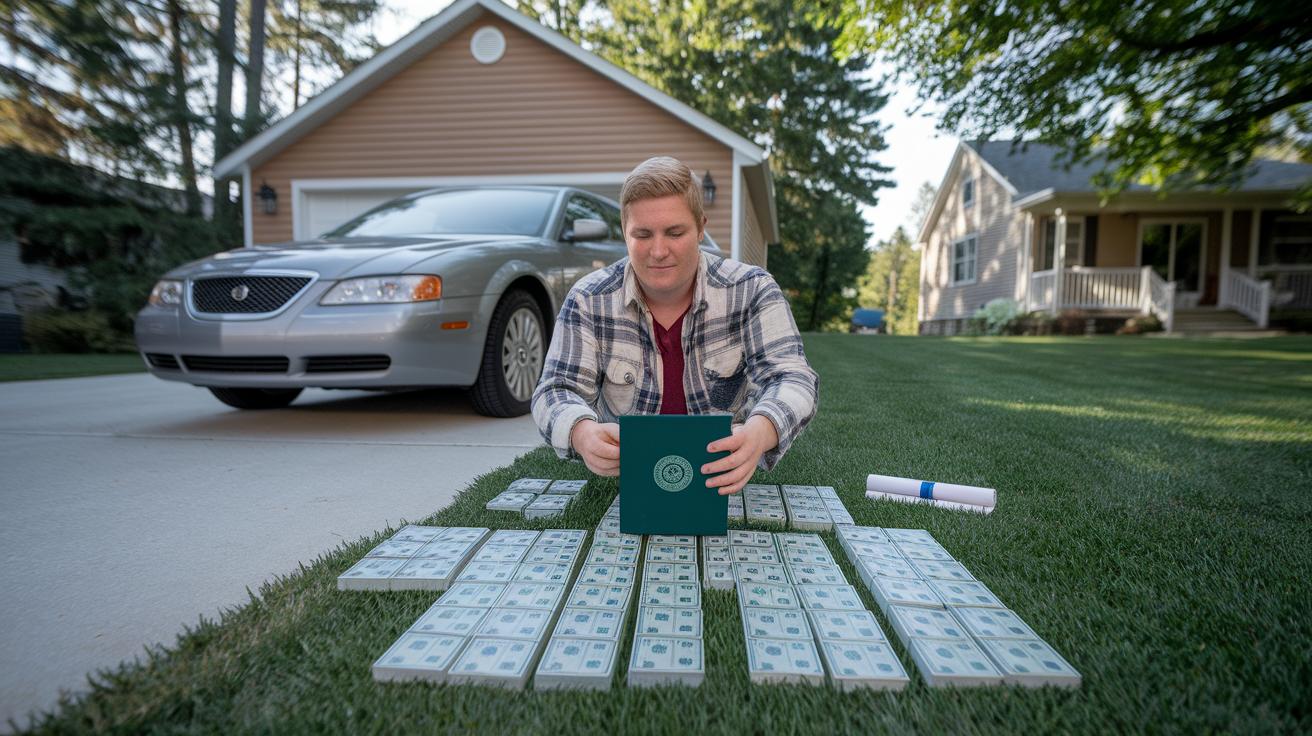
A simple way to build your credit score without a credit card is to take out an installment loan. This could be an auto, student, or personal loan. When you pay on time, you show lenders you are responsible. Even small loans can help if you keep up with your payments.
Here are a few options:
- Auto or student loans: Paying these on time can boost your credit.
- Rent-reporting services: Some companies share your monthly rent payments with credit bureaus.
- Monthly bill-reporting tools: Certain platforms now report steady bill payments for utilities, phone, or streaming services.
Your next step: Find a reliable service that reports to all three major credit bureaus. This way, every on-time payment helps you build a stronger credit profile without having to start with a credit card.
Monitoring and Managing Your Building Credit Progress
Keep an eye on your credit report to check for mistakes and stay in control of your money habits. This simple habit lets you spot errors, monitor new account activity, and make sure your credit use stays healthy.
Your next step: Set up alerts for any new account activity or major changes.
Try this:
- Turn on credit alerts so you know when something changes.
- Set up automatic payments to avoid missing due dates.
- Check your credit use often by making sure your balances stay under 30% of your available credit.
- Correct any mistakes on your report as soon as you see them.
Keep these steps in mind, and you'll be well on your way to solid financial progress.
Avoiding Common Pitfalls While Building Credit

Late payments can hurt your score and stick around for up to 7 years. One late payment can leave a mark on your credit for a long time.
- Late payments: Set up payment alerts or automatic payments to keep your score from taking a lasting hit.
- High utilization: Keep your spending below 30% of your credit limit so lenders see that you manage your debt well.
- Excessive inquiries: Spread out your credit applications to avoid multiple hard checks that can drop your score.
- Closing old accounts: Leave older accounts open to build a long credit history. If fees are a concern, ask your provider for a more affordable option instead.
Review your statements regularly, manage inquiries carefully, and take steady steps to build a strong credit history. Next, check your latest statement this week to start tracking your progress.
Final Words
In the action, you learned key steps to establish a solid credit foundation. You explored how to start building credit through starter cards, credit-builder loans, and alternative methods without a card.
We broke down the basics of credit scores, secured options, and smart management routines. You also saw real warnings on common pitfalls that can slow your progress.
Keep at these practical steps every day, and you'll see measurable progress in your credit journey. Stay consistent and positive, real change is within your reach.
FAQ
How can beginners build or rebuild credit if they have no credit history or a low score?
Beginners build credit by starting with a secured credit card, credit-builder loan, or becoming an authorized user. These steps help form a credit record, provided you maintain on‑time payments and low utilization.
At what age is it best to start building credit?
You can begin building credit as early as 16 or 17 under guidance, and then independently at 18 or older. Early action helps create a long, positive credit history that boosts your score over time.
How does a beginner build credit fast?
A beginner can build credit quickly by using starter credit products, making on‑time payments, keeping balances low, and regularly monitoring their score. Consistent, responsible financial habits speed up progress.
How can I work toward a 700 credit score in 6 months?
Aiming for a 700 score requires strict discipline. Focus on on‑time payments, low credit utilization, and addressing errors promptly. Keep in mind that building a solid record may take time and consistent effort.
How do platforms like Credit Karma, Chime, Experian, Credit Sesame, Robinhood, and Coinbase help with building credit?
These platforms primarily offer monitoring and tracking tools. They help you review your progress and spot errors, but you must follow proven credit-building steps for real score improvements.