


Ever wonder if a few hundred dollars could lift your credit score overnight? Tradelines let you tap into an established account to give your score a quick nudge. Although this method is legal, it comes with risks that might cost you more down the road. In this guide, we explain how tradelines work and list both the upsides and the drawbacks. Try this: Review your current credit report before you decide if this fast fix is right for you.
are tradelines legal and do they work: Credit Perks Await
Buying tradelines through third-party services is legal under the Equal Credit Opportunity Act. You pay to be added as an authorized user on someone else’s credit account. However, this quick credit boost comes with risks that might not be worth the temporary benefits.
These tradelines typically cost between a few hundred to several thousand dollars. The price depends on factors like the account’s age, credit limit, and payment history. For example, an account with a strong history and a high limit might cost around $1,000. As an authorized user, you don’t make any payments on the account; you simply inherit its good history.
Credit bureaus and lenders may see these paid arrangements as misleading because they don’t reflect your own credit habits. If the original account holder misses a payment or carries a high balance, your credit score could take a hit. Plus, any score boost you get is usually short-lived, lasting only a few months. Once you’re removed, there’s no promise that the positive impact will stick.
Some banks might even view this method with suspicion, which can lead to further investigations. In short, while tradelines are legal, the brief credit perk might not justify the cost and risk involved.
Your next step: Carefully consider both the temporary credit boost and potential long-term drawbacks before you decide to buy tradelines.
Tradeline Fundamentals: Definition, Types, and Reporting Mechanics
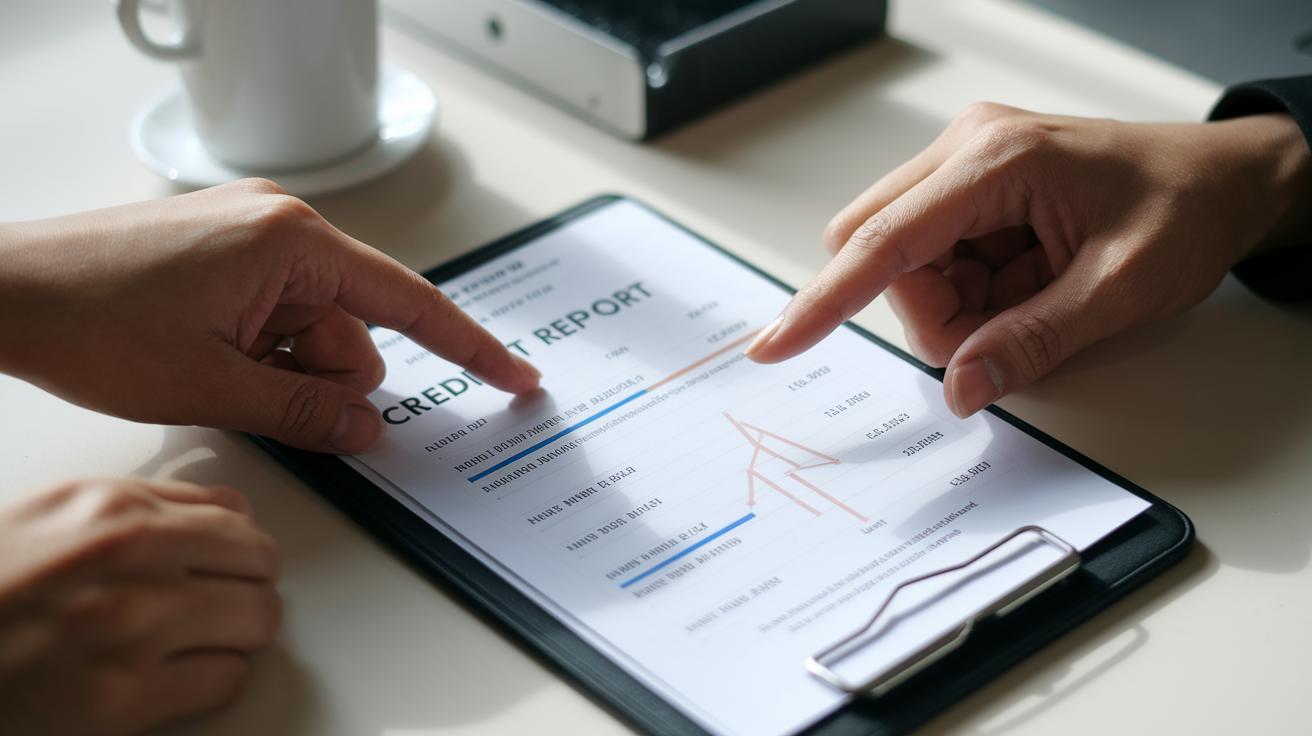
A tradeline is simply any credit account that shows up on your credit report. This includes revolving accounts like credit cards and installment loans such as auto, student, or mortgage loans. Each tradeline lists key details like your payment history, the limit on your account, and how much you currently owe. Creditors update these accounts every month, so your report always reflects your latest activity.
If you’re added as an authorized user on someone else’s account, that tradeline, and its full history, also appears on your credit report. For instance, if you join on a credit card with a solid track record of on-time payments and low balances, that positive history gets added to your report. However, if the main account holder misses payments, that negative info shows up too. Even if a good account is closed, it can stay on your report for up to 10 years. When you are removed as an authorized user, the account is taken off your report.
It’s a good idea to check your tradeline entries often. Regular reviews help you catch mistakes or any unusual activity, keeping your credit profile accurate and up to date.
Credit-Score Impact of Tradelines: Payment History and Utilization Effects
Your tradelines can be powerful tools for boosting your credit score. A tradeline with a long record of on-time payments and a high credit limit helps lower your credit utilization ratio. For instance, an account with a $10,000 limit and low balances reduces your overall debt percentage. This cleaner profile makes you look more reliable to lenders. Score models check key details like how old the account is, its payment history, and the balance compared to the limit. When you manage these accounts well, you build a pattern of steady, on-time payments that can lift your score.
A strong tradeline also tells lenders you’re low risk. This often leads to lower interest rates on loans. Paying your bills on time while keeping balances low not only builds a solid payment record but also improves your credit utilization numbers. Here’s what happens:
- A lower balance compared to your credit limit cuts down your utilization ratio.
- Every on-time payment adds to a reliable payment history.
- A longer account age creates a more mature credit profile.
These points work together to produce a credit report that lenders view favorably. Your next step? Review your tradelines to identify accounts with high limits and low balances, and keep paying on time to steadily improve your credit score.
Risks and Ethical Concerns in Purchasing Tradelines

When you purchase tradelines, you share your sensitive information, like your Social Security number, which can put you at risk for identity theft and fraud. Even worse, if the original account holder misses a payment or runs up a high balance, that negative mark transfers directly to your credit report. Imagine one late payment causing a sharp drop in your score, even when you did nothing wrong.
Also, any credit boost you gain is usually short lived. The improvement might only last a few months, with no promise of lasting benefits once you’re removed as an authorized user. This uneven risk-reward setup often raises red flags for lenders, since it doesn’t reflect the credit you’ve built on your own.
Here are the main risks you should consider:
| Risk | Potential Impact |
|---|---|
| Sharing sensitive data | Increases the chance of identity theft |
| Account mismanagement | Negative actions on the original account hurt your credit |
| Short-term credit boost | Temporary score increase that may not cover long-term risks |
On an ethical level, this method misleads lenders about your actual financial behavior. It could be seen as deceptive, and if banks or credit bureaus discover it, the consequences might be severe.
Your next step: Consider building credit through genuine, self-earned methods. Try setting up automatic payments and regularly reviewing your credit report to ensure accuracy. This approach creates a stronger, safer financial foundation over time.
Compliance, Regulatory Oversight, and Industry Stance on Tradelines
Credit bureaus update tradelines each month when creditors report their data. They do not ban authorized-user additions, so these records stay on your credit report as long as the creditor sends the information. Big scoring companies and lenders warn that paid tradelines can give a false picture because they do not show how you actually handle credit.
Many banks view paid tradelines with suspicion. They might close an account or look closer at your credit history if there is an unexpected change. For instance, buying a tradeline at a high price might lower your average credit age, which could raise red flags with lenders. Although federal law lets authorized-user placements happen under current guidelines, it does not clearly prohibit buying tradelines.
Experts and regulators debate how fair these practices are. They call for clearer rules and better standards for how credit data is reported. Until more changes are made, it is wise to keep a close eye on your credit report for any unusual entries.
Your next step: Review your credit report regularly to spot any unexpected entries. This helps you manage your credit better and act quickly if something seems off.
Safe Credit-Building Alternatives and Best Practices Beyond Tradelines

To build lasting credit, focus on natural methods that show your daily money habits instead of paying for a quick fix. For example, ask a trusted friend or family member to add you as an authorized user on their account. This way, you benefit from their good credit record without risking scams or the short-term impact of purchased tradelines.
Building your own tradelines is simple: pay every bill on time, keep your balances low, and open new accounts carefully. Each on-time payment improves your record and helps lower your overall credit use. Try setting up automatic payments, this small change can pay off noticeably over a few months.
Other ideas you can try include:
- Checking your credit report for mistakes and disputing any errors.
- Lowering your debt to improve your debt-to-credit ratio.
- Using services that report regular payments, like utility bills or rent, to add positive data to your profile.
Every step you take builds your credit based on your own actions. This approach is safer and more rewarding in the long run than quick fixes.
Your next step: Review your latest credit report, note any errors, and set up a monthly plan to lower your debt or ensure your payments are always on time. Stick with this strategy to steadily grow your score while avoiding risky shortcuts.
Final Words
In the action, we broke down tradeline basics, credit-score impacts, and the risks of buying tradelines. We explained how score gains come with steep risks and temporary benefits. We addressed key questions like are tradelines legal and do they work, and how ethical or safe these practices are. The post also highlighted sound alternatives that build credit over time with lower risks. Try a secure strategy for long-term growth, and take action today to boost your financial confidence.
FAQ
Q: Are tradelines legal and do they work reddit?
A: The tradelines legality question means that purchasing tradelines is legal under federal law, though lenders and credit bureaus view paid arrangements skeptically. Score gains are usually modest and temporary.
Q: What is a $750 reported tradeline?
A: The $750 tradeline refers to a credit account reported with a $750 limit. Its payment history, balance, and account details are shared with credit bureaus, which can affect your credit score.
Q: What are the best tradelines to boost credit score?
A: The best tradelines for boosting credit are those with long histories of timely payments and high credit limits. They help lower your utilization ratio and add positive credit history to improve your overall score.
Q: Is Tradeline Supply legit?
A: Legitimacy reviews of Tradeline Supply indicate mixed feedback. Some users report benefits, while others warn of potential risks. It’s wise to research thoroughly and check recent reviews before deciding.
Q: What is a $20,000 tradeline?
A: A $20,000 tradeline describes a credit account with a $20,000 limit reported on your credit file. Such a high limit can positively affect your credit utilization ratio if managed responsibly.
Q: What is a tradeline credit and how do tradelines work?
A: Tradeline credit means any credit account listed on your report. Tradelines work by reporting account details like payment history and credit limits to credit bureaus, thereby impacting your overall score.
Q: Are $100 tradelines for sale available?
A: $100 tradelines for sale indicate lower-cost offerings where you become an authorized user on someone’s account. Buyers should carefully compare risks, benefits, and ethical concerns before purchasing these services.
Q: How does buying a tradeline work and is it worth it?
A: Buying a tradeline means paying to be added as an authorized user to benefit from an account’s history. While it can offer a short-term score boost, the improvement is temporary and carries some financial risks.
Q: How much will a tradeline boost my credit?
A: The boost from a tradeline varies based on your existing credit profile and the tradeline’s history. In most cases, improvements are modest and last only as long as you remain an authorized user on that account.
Q: What does a $2000 credit line mean?
A: A $2000 credit line indicates that an account has a limit of $2,000. This figure helps determine your credit utilization ratio and is a key factor in assessing your credit health.
Q: What are the risks of using tradelines?
A: The risks of using tradelines include possible identity theft, temporary score boosts, and potential fraud alerts. Misleading credit histories may also lead to complications if lenders suspect unethical credit practices.