

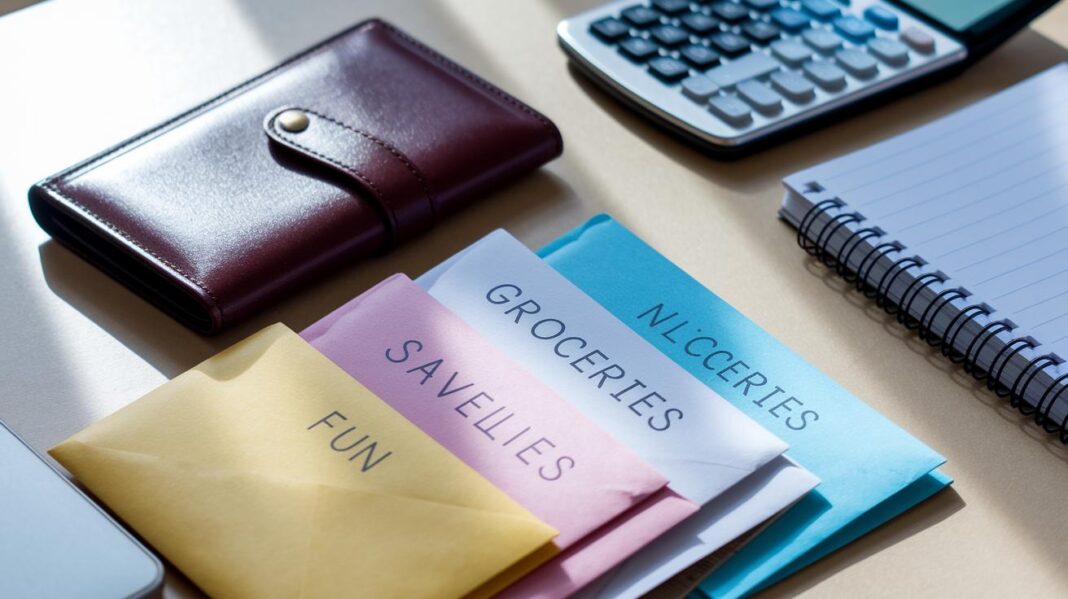
Ever feel like your paycheck vanishes in no time? You’re not alone. Envelope budgeting can help you take control. It means setting aside cash for each expense so every dollar has a clear job.
Try this: Grab a few envelopes, label them for bills, groceries, and leisure, and then put the corresponding cash in each one. Many people who use this method see their spending drop and their savings grow.
Your next step: Set up your envelopes today. Watch how a simple change can lead to a steadier financial future.
Envelope Budgeting: Definition and Key Benefits
Envelope budgeting is a way to give every dollar a job. You split your monthly income into different envelopes or digital buckets for each expense, like groceries, rent, or transportation. This method helps you see exactly where your money is going and stick to your limits. Try this: set aside cash or track digital amounts for one expense category today.
The benefits are clear. A 2022 NerdWallet survey found that 62% of people using envelope budgeting controlled their spending better, and overspending dropped by 25% in just three months. When you assign a strict amount for things like dining out or entertainment, you force yourself to make thoughtful spending choices. Your next step? Choose one spending area, set a clear limit, and watch how small changes help build a stronger financial future.
Envelope budgeting: Smart Money Wins
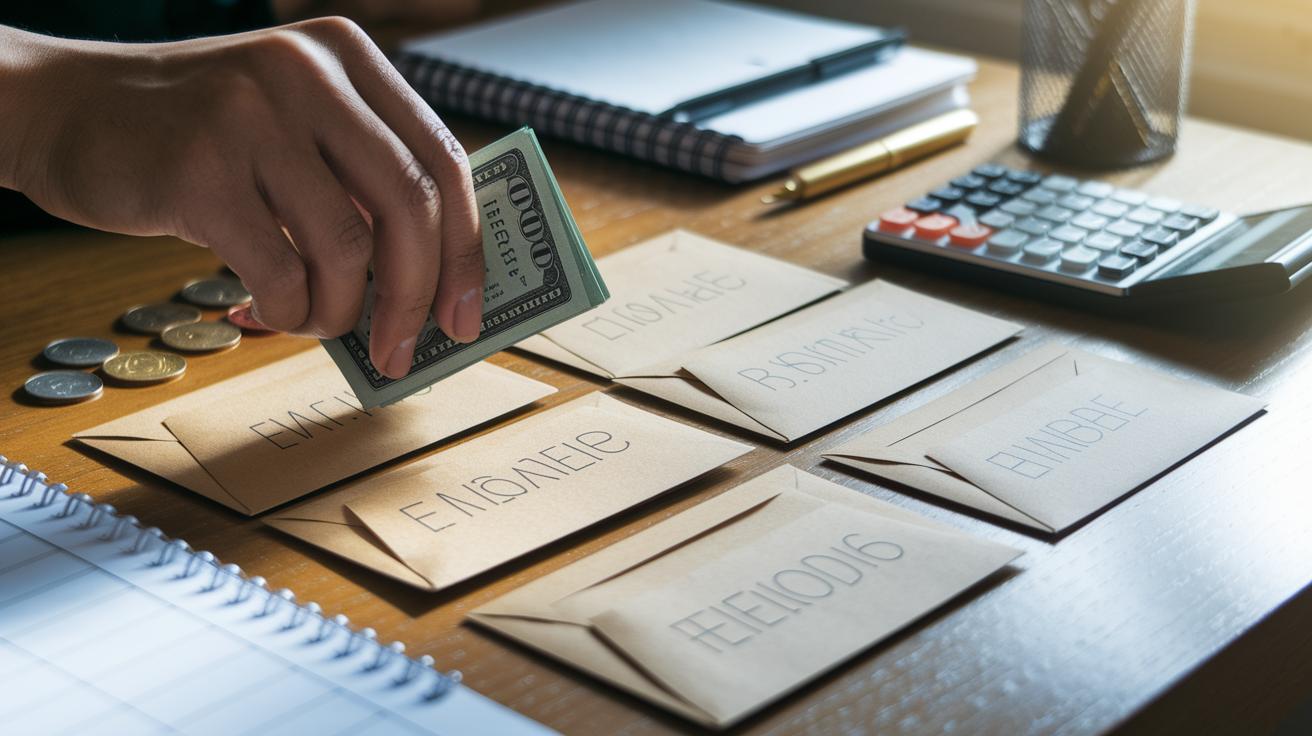
Envelope budgeting is a simple way to control your spending. It means putting cash into separate envelopes for each type of expense. This method helps you keep your spending below what you earn.
Start by adding up your total monthly income. Next, make a list of all your fixed and variable expenses. Then create 5 to 10 envelopes for your main spending areas. Give each envelope a set amount of cash, and only use the money inside the envelope for its designated purpose. At the end of the month, count the remaining cash to see how well you stuck to your plan.
If you are new to envelope budgeting, begin with just five basic envelopes. Consider essentials like housing, groceries, transport, fun, and savings. This smaller setup makes your budget easier to manage. Once you get the hang of it, you can add more envelopes for irregular expenses. Keep a simple log of your spending and check your envelopes weekly to avoid overspending. This practice makes managing your money easier and helps you spot ways to adjust your budget for the next month.
Your next step: For one week, track your spending in just one envelope. If you notice you're spending too much, either lower the cash allocation or combine similar categories to keep your budget clear. This small step builds a solid foundation for better money management and greater financial confidence.
Envelope Budgeting Categories: How to Organize Your Envelopes
Most households find that using 8 to 12 envelopes works best. This range gives you clear buckets for your money without making your system too complicated. Start by dividing your monthly income into these envelopes so you easily know where every dollar goes.
Common categories are housing, groceries, utilities, transportation, entertainment, savings, and an emergency fund. You might also want envelopes for health care, personal care, or pet expenses. Match these categories to your spending habits to ensure every dollar has a job. For example, one envelope might cover monthly subscriptions while another tracks dining out costs.
Combine infrequent or seasonal expenses, like annual subscriptions or holiday gifts, into a single envelope. This helps balance out your spending over time. Review your envelope setup every three months to adjust amounts as needed.
Try this: Download our monthly budget template, plug in your income, and label your envelopes. It’s a quick way to see where you stand and keep your spending on track.
Tracking and Maintaining Your Envelope Budget
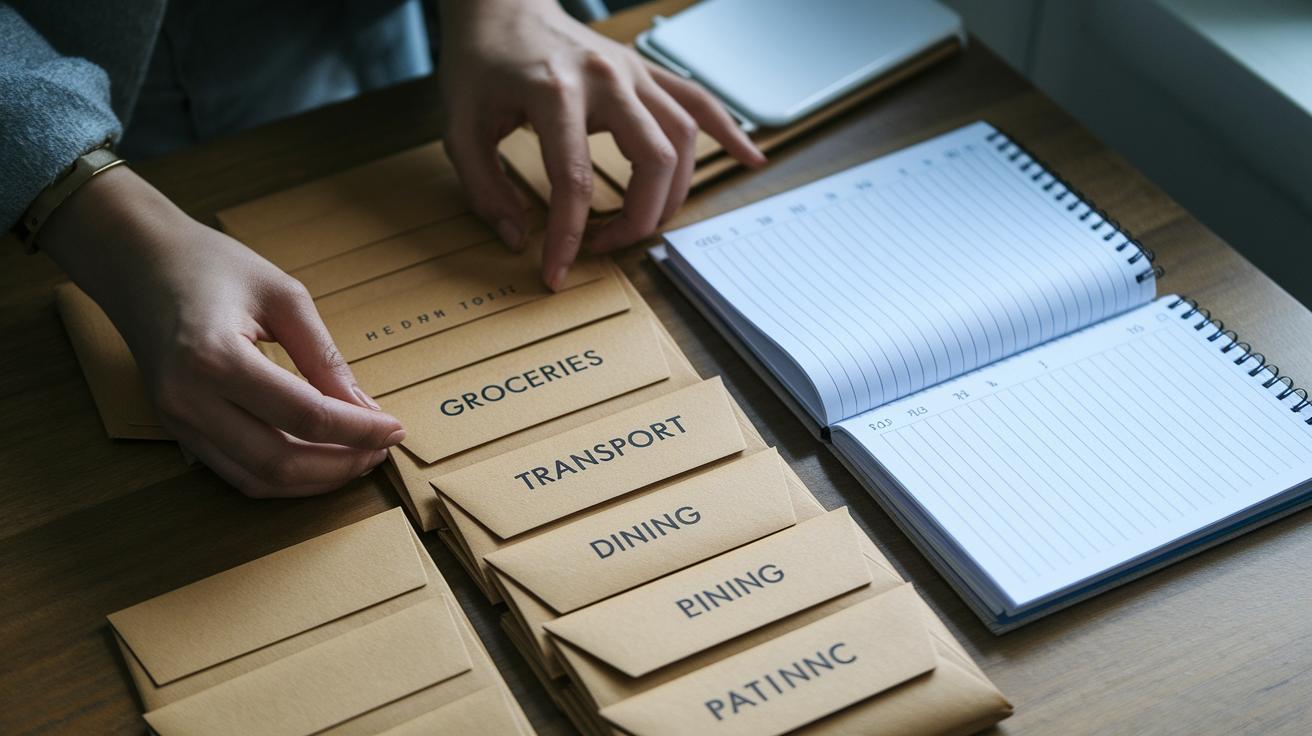
Tracking your spending every week can help you cut your overspending by around 30%. Try this: keep a simple notebook for each envelope, and set a weekly reminder to update it. Every time you take cash out, jot down the expense, like "Spent $15 on lunch." At the end of the month, count the cash left in each envelope and compare it with your notes. This habit shows you where to tighten up and prevents surprises.
Sticking to your envelope budget means holding yourself accountable. Set a weekly reminder to check each envelope and avoid switching to credit cards when cash runs low. Always double-check every expense so you catch mistakes early. If one envelope is always running short, review your spending and adjust your cash withdrawals. Follow these simple steps to keep your spending in check and make steady progress toward your financial goals.
Digital Envelope Budgeting Tools and Apps
Digital envelope budgeting apps make planning your spending simple. They set up digital buckets for each spending category and automatically sync your data across devices. This means no more dealing with paper envelopes or manual tracking. You can watch your spending in real time and easily adjust your bucket amounts.
Try this: Choose an app that fits your spending style, and start keeping your budget in check today.
| App Name | Cost | Platforms | Envelope Limit |
|---|---|---|---|
| Goodbudget | Free up to 10 envelopes | iOS, Android, Web | 10 Envelopes |
| Mvelopes | $5/mo | iOS, Android, Web | Unlimited |
| YNAB | $11.99/mo | iOS, Android, Web | Unlimited |
Your next step: Pick one app, and try the free version to see how digital envelope budgeting can give you more control over your spending.
Overcoming Common Challenges in Envelope Budgeting

Envelope budgeting can be a bit tricky sometimes. Unexpected costs or misplaced envelopes can leave you short before the month ends. Irregular income can add to the challenge, making it hard to stick to your limits.
Here’s a quick win: set up a buffer envelope with an extra 5% of your expected funds for surprises. If your pay varies, try averaging the last 3 months of income to decide on your envelope amounts. Clearly mark each envelope and keep them in a safe spot to avoid mix-ups.
Give this a try today and see how it smooths out your budgeting bumps.
Final Words
In the action, you learned that envelope budgeting uses set cash amounts to control spending. The post covered a clear definition, step-by-step setup, and ways to organize envelopes into useful groups like housing, groceries, and savings. You also saw how tracking spending and digital tools support this system while addressing common challenges. Next step: try the envelope budgeting process this month and notice how controlling your cash can lead to better spending decisions. Small wins here build strong habits and a healthier financial future.
FAQ
What is envelope budgeting?
Envelope budgeting is a system that allocates your monthly income into separate envelopes for each spending category, helping you plan every dollar and stick to your limits.
How does envelope budgeting reduce overspending?
Envelope budgeting reduces overspending by limiting cash use to specific envelopes, so you only spend what you have designated for each category, leading to better control over expenses.
How do I start envelope budgeting?
To start envelope budgeting, calculate your monthly income, list both fixed and variable expenses, create envelopes for key spending categories, allocate cash, and track each envelope throughout the month.
What common spending categories are used in envelope budgeting?
Common envelope budgeting categories include housing, groceries, utilities, transportation, entertainment, savings, and an emergency fund, with some users grouping infrequent expenses together for smoother cash flow.
How can I track my envelope budget efficiently?
Tracking your envelope budget efficiently means regularly updating a spending log or dedicated notebook for each envelope, and reconciling remaining cash at month end to spot any variances.
Are there digital tools available for envelope budgeting?
Yes, apps like Goodbudget offer digital envelope budgeting by automating category tracking and syncing across devices, making it easier to manage your finances without using physical cash.
What challenges might I face with envelope budgeting and how can I fix them?
Challenges include running out of cash mid-month and misplacing envelopes. You can fix these by creating a buffer envelope with extra funds and securely labeling and storing each envelope for clarity.