


Ever wonder if that extra change in your pocket could become your nest egg? Picture a small amount growing into a fund that builds wealth over time. Many people park their money in savings accounts even as inflation chips away at its value. Investing in stocks, bonds, or ETFs (funds that work like stocks) can put your money to work harder for you.
Try this: Start with a small amount and learn the basics of investing. It takes a few clear steps to boost your financial future, no matter how little you begin with. Your next step is to explore a simple budgeting template or talk to a trusted financial coach to set up your investing plan today.
How to Start Investing: Core Steps for Beginners
Investing means using your money to buy things like stocks, bonds, or ETFs so you can earn a profit over time. A savings account may keep your money safe, but its returns often do not keep up with inflation, which means your money can lose value.
The earlier you start, even with a little money, the more time your returns have to grow. For example, if you invest $200 every month for 10 years at a 6% average annual return, you could end up with about $33,000. Nearly $9,000 of that total would come from the growth of your investments. This shows why it makes sense to begin your investment journey now.
Try these six simple steps to get started:
- Start small. You do not need a lot of money at first. Even a modest amount can grow over time.
- Learn about different account types. Look into options like regular brokerage accounts or tax-advantaged IRAs.
- Decide how much to invest. Choose an amount that fits comfortably within your budget.
- Open an account. Set up an investment account with a trusted platform.
- Choose your strategy. Decide if you want to take a conservative approach or if you are ready to take more risks.
- Understand your options. Research various assets so you can pick ones that align with your goals.
Your next step: Set aside a small sum today and mark your calendar to review your progress each month. For more basic information, check out our beginner investing guide at TheFreshFinance.
How to Start Investing: Choosing the Right Investment Account

When you start investing, picking the right account sets you up for success. A standard brokerage account is a solid choice if you plan to trade actively or build a stock portfolio from scratch. Many of these accounts offer commission-free trades, and most don’t require a big deposit. This means you can get started even with a small amount of money.
If you’re planning for retirement, an IRA or a 401(k) could be your best bet. These tax-friendly accounts help your savings grow over time. Make sure you choose an account that fits your personal goals. Are you looking to trade in the short term or build wealth over many years?
Take a little time to compare different platforms. Check out their fees, user experience, and special features like automated investing or mobile trading. Some platforms even offer robo-advisor services that can handle your investments for you. Also, think about the tax rules and the mix of investments you expect to hold.
Your next step: Look up a few well-rated investment platforms today. Choose one that matches your needs, and start with a small, manageable investment to build your confidence.
How to Start Investing: Selecting Your First Investments
Getting started with investing is simpler when you know your options. For many beginners, the common choices include stocks, mutual funds, ETFs, and bonds.
Stocks let you own a piece of a company. When you buy shares, you share in the company’s good and bad days. A practical tip is to spend some time researching stocks with tools like a stock screener. While stocks can bring high returns, they also come with more risk.
Mutual funds pool money from many investors to buy a mix of stocks, bonds, and other assets. Professionals manage these funds, so you get diversified exposure without picking every individual investment. This option works well if you’d rather let experts handle daily decisions, even though management fees might be a bit higher.
ETFs, or exchange-traded funds, combine mutual funds’ benefits with the flexibility of stocks. You can buy and sell ETFs like stocks during market hours. They usually have lower fees but still provide built-in diversification. This is ideal for beginners who want some control along with expert management.
Bonds work differently. When you buy a bond, you’re lending money to a government or company in exchange for regular interest payments. Generally, bonds carry less risk than stocks, which can help smooth out your overall returns.
Try this: Pick one investment type to learn more about today by comparing how its risk and costs fit your goals.
| Option | Typical Cost | Risk Level | Accessibility |
|---|---|---|---|
| Stocks | Variable | High | Easy via brokers |
| Mutual Funds | Moderate | Moderate | Easy with fund companies |
| ETFs | Low to moderate | Variable | High via online platforms |
| Bonds | Low | Low | Accessible through brokers |
Your next step: Choose one of these options to focus on and start exploring how it fits with your financial goals.
How to Start Investing: Managing Risk and Diversification

Risk tolerance means how comfortable you are with changes in your investments. If you dislike big swings, you might choose stable options like bonds. But if you're okay with some ups and downs for a chance at bigger returns, stocks could work better for you. Balancing these choices is key to a steady portfolio.
Asset allocation is about spreading your money across different types of investments such as stocks, bonds, and other assets. This way, if one part doesn’t do well, the others can help keep your overall portfolio stable. Think of it like not putting all your money in one basket.
Diversification goes further by mixing investments across different industries and regions. For example, you might invest in both American and international companies. This strategy can soften the blow if one economy takes a hit. Over time, as these diverse investments grow, their gains build on each other, helping you grow your wealth more steadily.
Try these steps:
- Assess how much risk you can handle.
- Spread your money into different asset types.
- Look into various industries or regions.
- Review how changes in one area impact your whole portfolio.
Your next step: Take a look at your current investments and adjust them for a balanced mix. If you’re ready to explore fresh ideas, check out alternative investment portfolio strategies at https://mechgurus.com?p=718.
How to Start Investing: Executing Your First Trade
Taking your first trade is an important milestone in building your investment confidence. Start by selecting a brokerage platform that fits your needs. Many platforms let you sign up quickly and easily. After registering, you can link your bank account to access funds immediately.
A lot of these platforms offer a demo or paper-trading mode. This risk-free feature lets you practice trading and test different strategies before using your own money. When you feel ready, try a small test trade, around $100, to understand the process without taking on too much risk. Starting with small amounts gives you real experience and helps build confidence over time, even if you invest modest funds.
- Select a brokerage platform and sign up
- Complete identity verification and link your bank account
- Use demo or paper-trading mode to practice
- Research the security you want to invest in
- Place a small buy order
- Monitor your order and review the outcome
How to Start Investing: Resources to Keep Learning
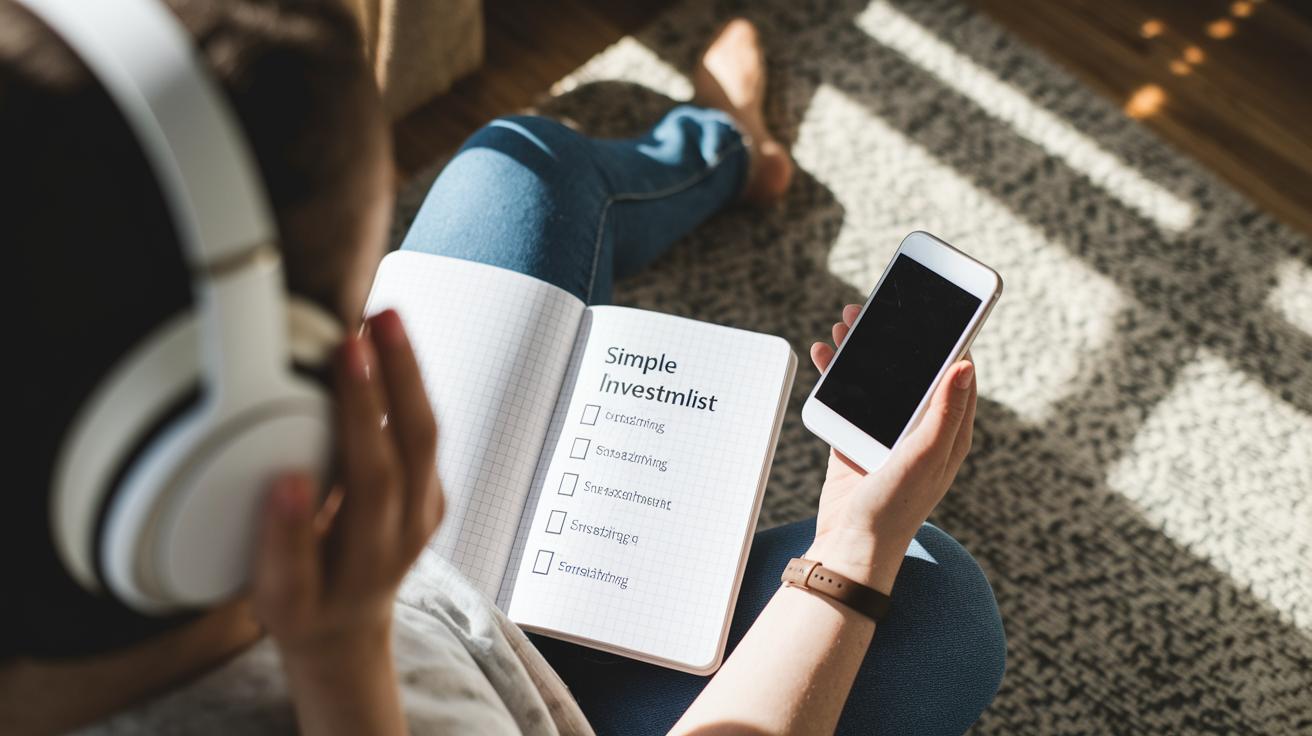
Learning about investing is a step-by-step process. Try this: Read a simple blog that shares quick market updates and easy-to-follow tips. For example, one post might suggest using a checklist to monitor your trades so you can learn from what works and what doesn't.
Podcasts designed for beginners are another smart choice. Picture listening to a 10-minute episode during your commute that explains a key investing idea in clear, everyday language.
Free courses and simulators let you practice investing without any risk. These tools give you hands-on experience with trading basics while you test out strategies before using real money.
Don’t forget to join online community forums. Talking with other investors and regularly reviewing your portfolio can help you stay disciplined and keep on top of best practices.
Your next step: Create a simple investment checklist to track your progress. It’s a quick win that builds a strong foundation for your investing journey.
Final Words
In the action, you now have a clear walkthrough on how to start investing. You learned what investing means, the benefits of starting early, and the key steps from choosing an account to placing your first trade. You also got ideas for building a balanced portfolio and staying educated. Grab a tool or template from our site and put these steps to work today. This approach will help you build confidence in your money moves and make progress toward your financial goals.