


Have you marked your calendar for your 2026 tax return? Your federal tax return is due on Wednesday, April 15, 2026. Filing by this date helps you avoid extra fees and last-minute stress.
Here’s what to do now: Review your records and plan a filing date well before the deadline. Filing early gives you peace of mind and keeps you ahead of any surprises.
Exact Last Day to File Taxes in 2026
Your federal tax deadline in 2026 is Wednesday, April 15, 2026. This is the last day to file your individual tax return. If you owe money, make sure your payment is made by then.
If April 15 falls on a weekend or a federal holiday, the deadline moves to the next business day. For example, if April 15 is a Saturday, you have until Monday to file. This shift gives you a fair chance to finish your tax return without any extra penalties.
Double-check your filing date every year since it might change with holidays or calendar variations. Set a reminder or use a budgeting tool to keep track. This simple step can help you avoid last-minute rushes, extra fees, or interest charges.
Your next step: mark April 15 on your calendar now and consider setting an alert so you’re always ready well before the deadline.
IRS Extension Options for Last Day to File Taxes
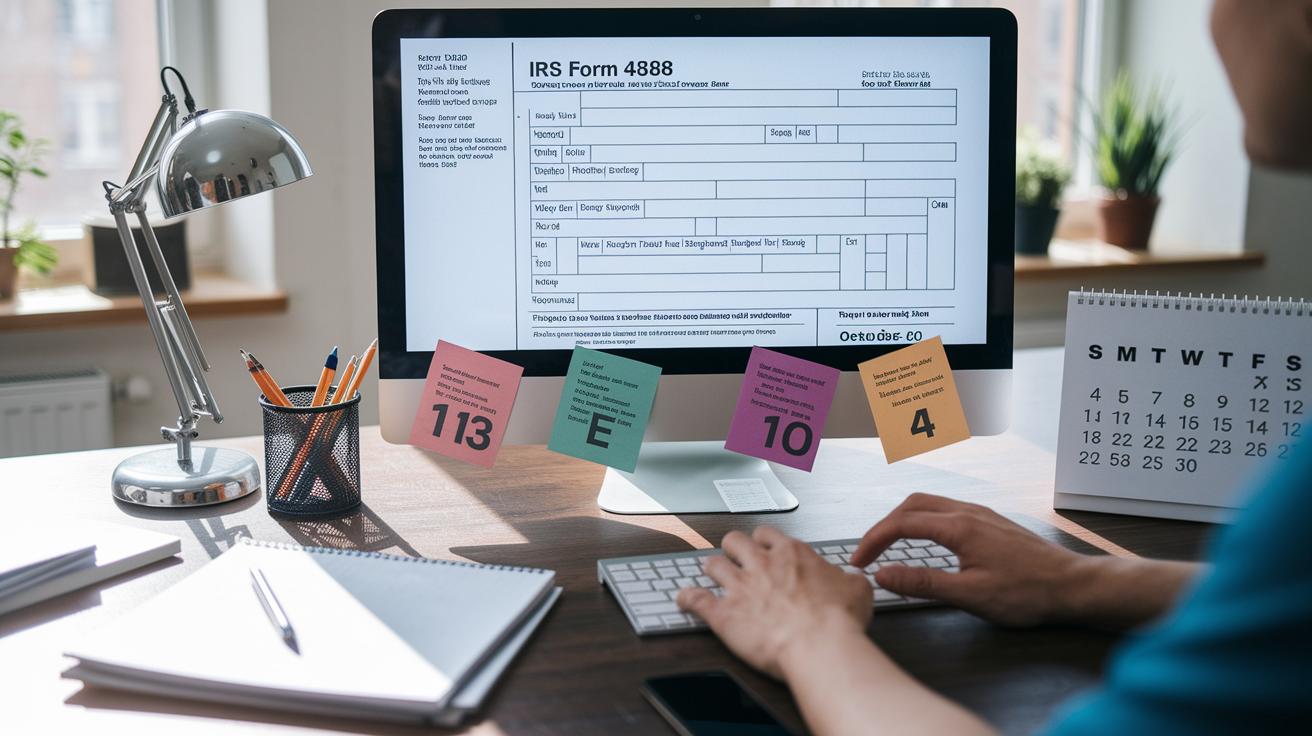
If you're not ready to file your taxes by April 15, 2026, you can get more time. Simply complete IRS Form 4868 by that date. Once you file the form, you'll have an extra six months to file, making your new deadline October 15, 2026. Remember, if you owe tax, you still need to pay it by April 15 to avoid extra fees and interest.
Try this: Download IRS Form 4868 online, fill it out on your computer, and submit it electronically using IRS e-file. It's a quick process that can save you time and hassle. If you find you need more time while working on your return, mark your calendar and file the extension by April 15 to lock in those extra months.
Here's a quick checklist:
| Step | Action |
|---|---|
| 1 | Check your tax balance by April 15. |
| 2 | Fill out and submit IRS Form 4868 electronically by April 15. |
| 3 | Your filing deadline moves to October 15, but any tax owed is still due by April 15. |
| 4 | Keep a copy of your submitted form for your records. |
Your next step: Before April 15, file IRS Form 4868 and pay any tax due. This simple move helps you avoid extra charges and keeps your filing on track.
State vs Federal Last Day to File Taxes: State Filing Deadlines Compared
When you file your tax return, remember that the federal deadline is April 15, 2026. Many states follow this same date, but some rules can change based on where you live. For instance, there are nine states (AK, FL, NV, SD, TN, TX, WA, WY, NH) that do not require a state income tax return. In these states, you only need to worry about the federal deadline.
If you live in a state that does require a return, the deadline is usually April 15, 2026. However, in some cases, the state may change the due date if April 15 falls on a weekend or holiday. We suggest checking with your local tax authority to be sure.
Next step: Take a few minutes now to check your state’s filing deadline and mark it on your calendar. This quick action can help you avoid any surprises or extra fees.
| State | Individual Return Due Date |
|---|---|
| California | April 15, 2026 |
| New York | April 15, 2026 |
| Illinois | April 15, 2026 |
| Pennsylvania | April 15, 2026 |
| Ohio | April 15, 2026 |
IRS Free File and Online Filing Window Before the Last Day to File Taxes
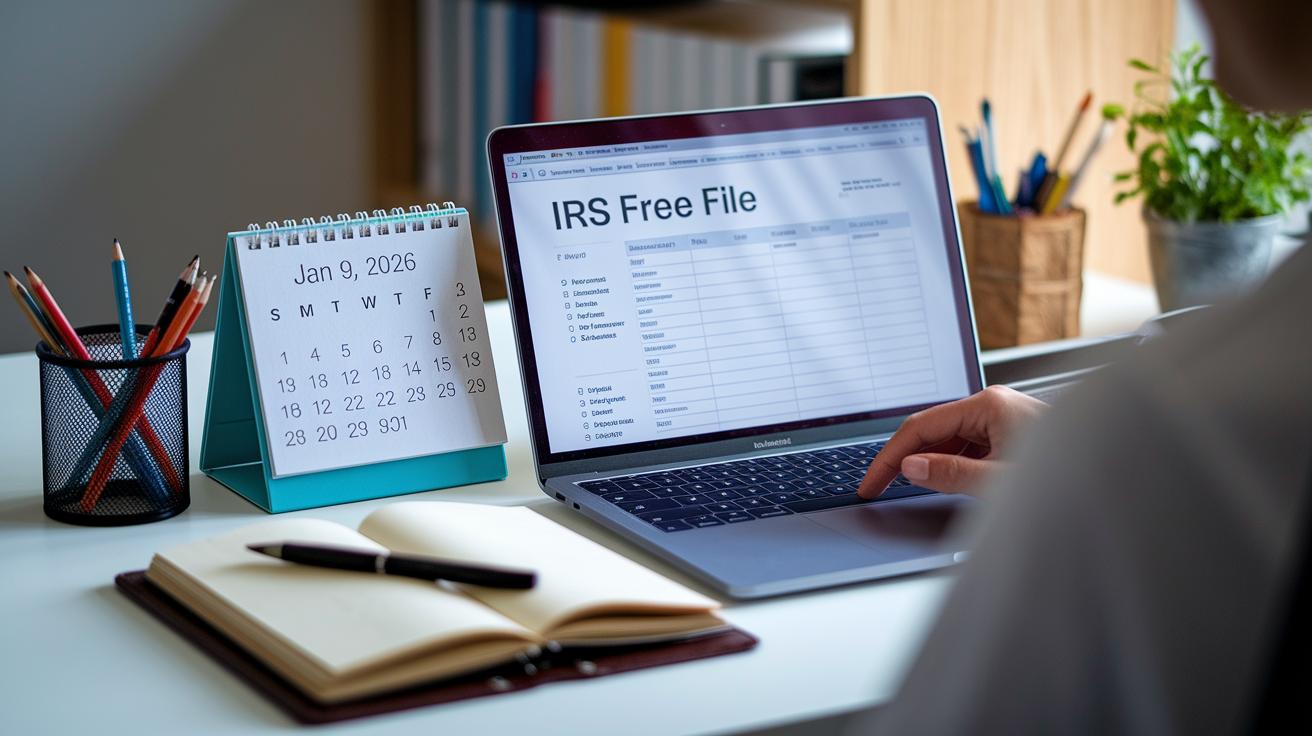
The IRS Free File program starts on January 9, 2026 for taxpayers who meet the income limits. This date officially kicks off tax season. You can file your tax return online until April 15, 2026. Filing early means a faster refund and immediate confirmation, so if you have your documents ready, get started.
Tax-prep software that participates in the program follows the IRS e-file schedule. For example, if you file on January 10, you might receive confirmation within a few days and enjoy a quicker refund. Filing early not only gives you peace of mind but also lowers the risk of mistakes and delays when the system gets busy.
Your next step: Mark January 9 on your calendar, gather your documents, and file early to secure your quick turnaround.
Penalties and Avoiding Fees After the Last Day to File Taxes
Missing the tax deadline can lead to extra charges. If you file late, you face a 5% penalty each month on any unpaid tax until it reaches 25% of the total owed. For instance, owing $1,000 and filing one month late could cost you an extra $50. On top of that, there’s a failure-to-pay penalty that adds 0.5% every month on the unpaid balance until it’s paid in full.
Interest starts running on any unpaid tax from April 15 until you settle the full amount. Filing an extension using Form 4868 stops the penalty for late filing, but not the penalty for late payment. A smart move is to pay your estimated taxes by April 15. This reduces the amount that could incur penalties and cuts down the interest you owe.
Try this: Begin e-filing as early as possible, even if your documents aren’t 100% complete. E-filing helps catch mistakes and speeds up confirmation. Stay on top of your payments and use extensions wisely to keep extra fees at bay.
Final Checklist: Preparing Documents Ahead of the Last Day to File Taxes

Start by gathering all your income documents. Look for your W-2s, 1099s, K-1s, and any other forms that show your earnings. If your W-2 hasn't arrived by mid-April, call your employer immediately. This quick step helps keep your filing on track.
Next, collect receipts for deductible expenses. Keep copies of your charitable donations, medical bills, and business costs. For example, if you donated $200 to charity, attach that receipt with your return to help lower your tax bill.
Then, check your personal details on the return. Make sure your Social Security number, filing status, and bank account information for direct deposit are correct. Small mistakes here can delay your refund.
Also, review your eligibility for credits such as the Earned Income Tax Credit (EITC), Child Tax Credit, and education credits. Confirming this early can help you save money.
Choose to file your taxes online. E-filing gives you instant confirmation and a reliable digital record of your submission.
Finally, set calendar reminders for important deadlines. Mark alerts for one week before, three days before, and on the deadline itself so you avoid any last-minute rush.
Your next step: Begin gathering your documents today and tick off each item on your checklist.
Special Filing Rules: Americans Abroad and Other Exceptions to the Last Day to File Taxes
U.S. citizens and residents living outside the country have unique deadlines. They automatically get a two-month extension, which means if you usually file by April 15, your new filing deadline moves to June 15, 2026. Remember, any tax you owe must still be paid by April 15, 2026 to avoid extra fees and interest.
If you live overseas, you can also request a further extension until October 15, 2026 by submitting IRS Form 4868. Think of an American working in Europe who gets income reports later than expected. The June 15 deadline gives extra time to gather all necessary papers. Even with the extra filing period, the tax payment deadline remains unchanged.
There are also special rules for those affected by federally declared disasters or those serving on active duty. If you fall into one of these groups, your filing deadlines may be adjusted to help you manage the process.
- Check if you qualify for disaster-related filing extensions.
- Review the specific guidelines for active-duty service members.
Your next step: review your situation and verify which special deadlines apply to you so you can avoid any unnecessary penalties.
Final Words
In the action, we covered key tasks for filing taxes on time. We clarified that the deadline for a federal return in 2026 is April 15, with adjustments if the date falls on a holiday or weekend. We went over extension options with IRS Form 4868, how state deadlines might differ, and even special rules for Americans abroad. Use the final checklist to get your documents ready and avoid late fees. Stay informed and prepared to meet the last day to file taxes.