


Ever notice your paycheck disappearing month after month? A simple budgeting plan can help you see exactly where your money is going. Tracking your income, spending, and savings lets you make small changes that quickly add up.
Here’s what to do: list all your earnings, note your bills and other expenses, and see where money slips away. This clear view gives you a quick win and lets you adjust spending right away.
Your next step: grab a free budget template, enter your numbers from last month, and see what you discover. It's a fast way to start taking control of your cash flow and boost your savings.
Building Your Simple Budgeting Plan in 5 Steps
A monthly budget gives you a clear look at your income, spending, and savings. Follow these five steps to set up your plan.
-
Find your net income.
Start by adding up all your paychecks (whether you get paid weekly, biweekly, or monthly). Then, subtract taxes, insurance, and retirement contributions. For instance, if your gross pay is $7,000, take away about $500 for taxes and $20 for insurance to get roughly $6,480 ready to use. -
Track your spending for three months.
Write down every expense, from rent and utilities to groceries and entertainment. You can use a banking or budgeting app, a spreadsheet, or even paper receipts. This helps you see exactly where your money goes. -
Set short-term and long-term goals.
Decide what you want to achieve soon, like building an emergency fund in the next year, and what you need for the future, such as saving for a down payment in three years. Balancing immediate needs with future goals is key. -
Split your expenses into fixed and variable groups.
List regular payments like rent or subscriptions as fixed costs. Then, note flexible expenses like dining out or hobbies as variable costs. Remember to include a “pay yourself first” category to automatically set aside savings. -
Review and adjust your plan.
Check your budget every month or when your income or expenses change. If spending gets out of hand or your priorities shift, update your plan.
Try this: Look over your bank records from the past three months and organize each expense in a simple table to spot spending patterns.
| Expense | Amount |
|---|---|
| Rent | $1,200 |
| Groceries | $300 |
| Utilities | $150 |
Next Step: Download a free budgeting template, enter your last month’s numbers, and see where you can make changes.
Calculating Income & Tracking Spending in Your Simple Budgeting Plan

Your net income is what you take home after taxes, insurance, and retirement contributions are deducted. To set up your simple budgeting plan, add up all your paychecks and subtract these amounts. This final number is your base for keeping track of spending.
Record every expense over a three-month period using an app, spreadsheet, or even pen and paper. As you list your transactions, sort them into groups like rent, groceries, utilities, and entertainment. If you notice eating out is taking up a big part of your non-essential spending, it might be time to make a change.
Try this: Download your bank statement, organize expenses into these groups, and watch for trends like dining out using 25% of your extra spending.
Choosing a Method for Your Simple Budgeting Plan
The 50/30/20 Rule
This rule divides your net income into three parts. First, set aside 50% for must-haves like rent, utilities, and groceries. Next, use 30% for extras such as dining out and hobbies. Finally, allocate 20% for savings or paying off debt. For example, if you earn $3,000 a month, you’d budget $1,500 for needs, $900 for wants, and $600 for savings. Try this if you want a no-fuss plan that clearly shows your spending priorities.
Envelope Method
If handling cash feels best for you, the envelope method is a great option. Withdraw the exact amount you plan to spend in each category and put it in separate envelopes labeled for things like groceries or transportation. With this method, you can’t overspend because once an envelope is empty, you’re done. It’s a simple, hands-on way to keep your spending in check.
Zero-Based Budget
Every dollar in a zero-based budget has a purpose. Here, you plan out every cent so that your income minus your expenses equals zero. This method covers fixed costs, variable expenses, and savings. It’s a clear way to see exactly where your money is going, which can help you avoid surprises and stay in control of your spending.
Pay-Yourself-First Budget
With this plan, you save a set amount right when you get paid. Treat savings like any other bill that must be paid. By putting money into savings or investments before covering other expenses, you keep your future goals in clear focus. It’s a straightforward way to make sure you’re always moving toward your financial goals.
Your next step: Pick one of these methods and try it out this month. If you need a simple starting point, the 50/30/20 rule is a great way to see quick results.
Using Tools & Templates in Your Simple Budgeting Plan
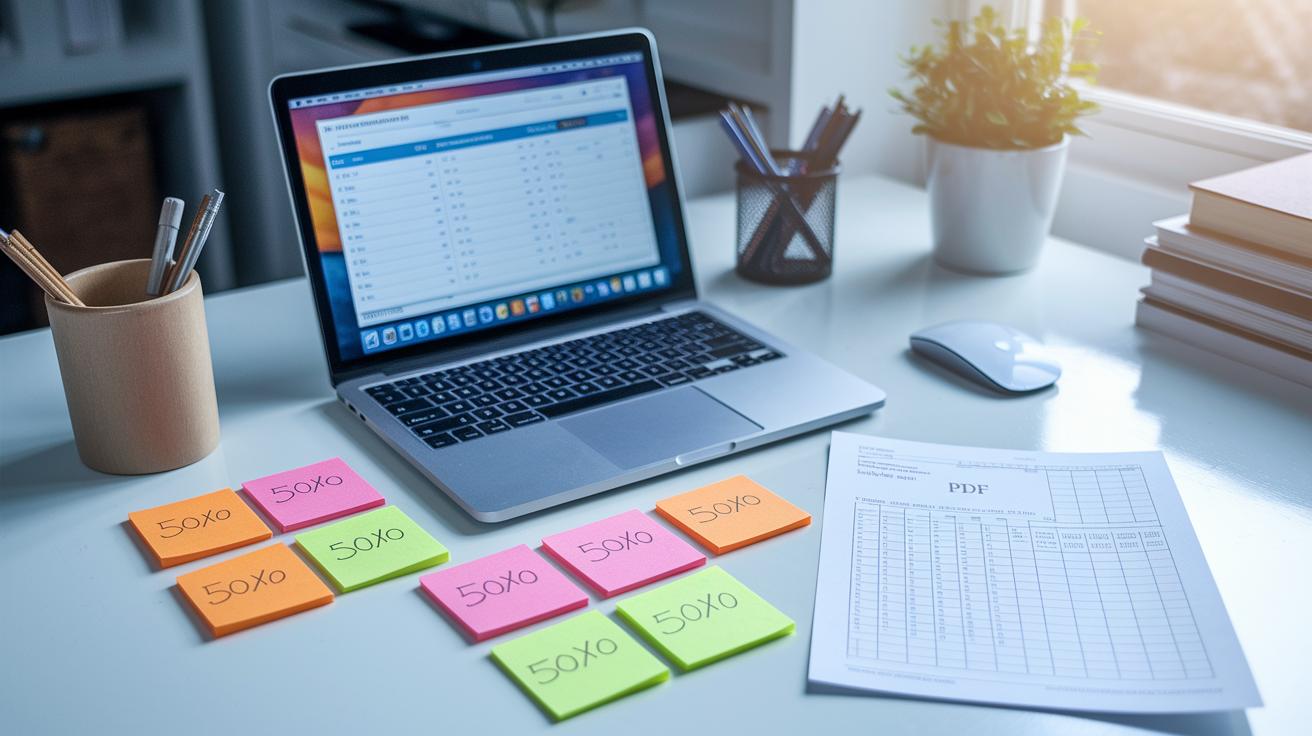
Free templates make starting your budget easy. They come in different forms, like print-ready PDFs or online planners that add up your totals automatically. These tools work well with the 50/30/20 plan since they have clear areas for income, fixed and flexible expenses, and savings or debt. This way, you only need to plug in your numbers and track your progress.
If you like working with paper, try a printable worksheet available as a PDF download. It has pre-set categories and a spot for notes so you can keep an eye on specific spending goals.
For more control, use a spreadsheet template with Excel or Google Sheets. It automatically adds up your amounts and lets you adjust the columns as your needs change. And if you are on the go, an online budget planner with real-time updates and syncing across devices is a great choice.
| Template Type | Format | Key Features |
|---|---|---|
| Printable Worksheet | PDF download | Pre-labeled categories, manual fill-in |
| Spreadsheet Template | Excel/Google Sheet | Auto-sum formulas, customizable columns |
| Online Budget Planner | Web app | Real-time updates, mobile syncing |
Try this: Choose the template that matches your style, plug in your monthly income and expenses, and see how a clear layout can simplify tracking your money.
Reviewing & Adjusting Your Simple Budgeting Plan
Keep your budget flexible by checking it every month or whenever your income or spending changes. Regular reviews help you spot any spending missteps early enough to fix them.
If you see one spending category that is always over your limit, stop and take a closer look. For example, if eating out often goes over your plan, wait 24 hours before buying dinner. This quick pause can prevent impulse buys.
Another useful trick is switching to cash in certain areas. Using physical money for groceries or bills can make your spending habits clearer, so you know exactly where your money goes.
Include an emergency fund in your budget too. Try to save enough to cover 3 to 6 months of expenses in a separate, easily accessible account.
For couples and families, clear communication is key. Divide tasks like tracking income and handling bill payments. Try this: spend 30 minutes each month comparing your planned expenses with what you really spent, then adjust your budget so it grows with your actual income and financial goals.
Final Words
In the action, you now have a clear five-step framework covering income calculation, expense tracking, goal setting, cost allocation, and regular reviews. This approach lays out a solid, simple budgeting plan that fits your life. We walked through picking a method that fits your needs, using practical templates, and revising your plan as life changes. Try these steps today to take control of your money and see progress. Enjoy building a better financial future.
FAQ
What is a simple budgeting plan template?
A simple budgeting plan template gives you a ready-made layout to track your income, expenses, and savings. It often comes in Excel or PDF formats and helps students and beginners get started quickly.
How do you create a simple budget plan?
Creating a simple budget plan means calculating your net income, tracking your spending for a few months, setting clear goals, and assigning amounts for fixed and variable expenses. Then, review and adjust regularly.
How do you budget money for beginners (including PDFs)?
Budgeting for beginners starts by listing your income and expenses, then using a straightforward template to assign funds to needs, wants, and savings. This method offers an easy-to-follow, step-by-step guide.
How can you save $10,000 in 3 months?
Saving $10,000 in 3 months involves trimming nonessential purchases, increasing your income, and setting aside a specific amount from each paycheck. Consistent tracking and adjustments will help you reach that goal.
What is the 50/30/20 rule budget?
The 50/30/20 rule budget splits your take-home pay into 50% for essentials, 30% for lifestyle spending, and 20% for savings or debt repayment. It’s a simple structure that keeps your money goals clear.
What is the easiest budgeting method?
The easiest budgeting method often uses a straightforward template or envelope system that assigns set amounts for various expense categories, making it simple to track spending and manage your money effectively.