


Ever wonder how passive investing works so well? It might look like magic, but a team of experts is behind it all.
Index providers, fund managers, and robo-advisors each play a clear role in tracking funds and keeping costs low. They work together like a well-oiled machine.
This guide shows you who these key players are and how they build a solid, long-term investment plan, all without the hassle of picking stocks every day.
Your next step: Reflect on how each expert contributes to your simple, effective investing plan and see if you can apply that teamwork to your own money moves.
Key Players Who Manage Passive Investing
Passive investing is a simple way to invest by owning market funds like S&P 500 index funds instead of trading stocks frequently. This approach helps you save money and avoid spending your days watching the market.
Over the last 10 years, large-cap index funds outperformed active managers 97% of the time after taxes. Lower fees (down from 1.08% in 1996 to 0.82% in 2016) and smart tax handling make passive strategies a solid choice for long-term goals.
Here are the five main groups that make passive investing work:
| Player | Role |
|---|---|
| Index providers | They set the rules and share the method used to create benchmarks. |
| Fund managers | They use these rules to build funds that match market returns. |
| Robo-advisors | They automate portfolio building and rebalancing to keep your investments on track. |
| Institutional investors | They invest large amounts that help lower fees and add market stability. |
| Custodians and regulators | They protect your transactions and ensure everything runs by the rules. |
Your next step: Consider a low-cost market-tracking fund for your long-term plan. Start by researching a well-known index fund and see how each group helps keep your investment strategy simple and efficient.
Fund Managers’ Responsibilities in Passive Investing

Fund managers run funds that mimic market indices so your portfolio stays aligned with the market without extra hassle. They work hard to keep the fund close to the index by cutting down tracking differences and updating investments when index rules change. They decide whether to duplicate every asset (full replication) or to choose a smaller mix (sampling) to keep costs low.
| Task | Purpose | Frequency |
|---|---|---|
| Tracking error monitoring | Keeps the portfolio in line with the target index | Reviewed continuously |
| Scheduled rebalancing | Realigns asset weights as the index changes | At regular intervals |
| Corporate action processing | Updates holdings to reflect major company events | When needed |
These tasks are key to matching the fund’s performance with its benchmark. By keeping a close eye on tracking errors and rebalancing on time, managers ensure your investment stays true to the index. Their careful handling of corporate events means every change in the index is quickly and correctly reflected. Try this: next time you review your fund’s performance, check if it closely follows its benchmark – that is how you know it’s working as it should.
How Index Providers Support Passive Investing Strategies
Index providers set clear, easy-to-follow rules that show which companies are in an index and how much each company counts based on its market cap. They update these rules for events like mergers and special dividends so fund managers have a steady plan to follow. For example, a provider might say, "We include the top 500 companies by market cap," so you know exactly which businesses are part of the index.
They also let fund managers use these rules when creating passive funds. The rules are updated regularly to match market changes and corporate actions. This process helps funds stay in line with the market without any surprises. Fund managers use these updates to adjust portfolios, keeping the results close to the target index.
Try this: Next time you review a fund’s performance, check if it closely follows a well-known index. This is a good sign that the fund is sticking to the published rules and tracking the market accurately.
With this clear, rule-based information in hand, fund managers create investments that mimic market returns. The approach helps keep costs low and performance in line with the overall market.
Robo-Advisors in Automated Passive Investing Management

Robo-advisors use computer algorithms to put together portfolios made up of ETFs and index funds. They create a set it and forget it system so you can invest without constantly checking the market.
These platforms use smart algorithms to build your portfolio based on your goals. They spread your money across funds that track the market. Then, through automatic rebalancing, they adjust your investments as market values shift. They even help you make regular investments without you having to worry about timing the market. This process keeps your portfolio diverse and on track for long-term growth while softening the impact of short-term market ups and downs.
Robo-advisors also work to keep your costs low and manage tax issues. Most charge fees between 0.25% and 0.50%. They reinvest your dividends automatically and use tax-loss harvesting (selling losing investments to reduce taxable gains) when it makes sense. With goal planning tools in place, these platforms can tweak how your assets are divided to match your plans, whether that is saving for retirement, an emergency fund, or another goal. This digital approach makes it easier to manage your investments so they stay efficient and aligned with your long-term financial goals.
Your next step: Review your current investment strategy and see if a robo-advisor could simplify your portfolio management today.
Custodial and Regulatory Management in Passive Investing
Custodians keep your fund’s assets safe. They clear trades, settle transactions, and record every detail. Their work makes sure that every deal is secure and easy to verify. They don’t pick which securities to buy, but they provide the backbone that makes low-turnover, passive strategies work well. By tracking every asset movement, custodians help keep funds running smoothly and legally.
Regulatory oversight is just as important. Government agencies set clear rules and require forms like Form N-1A. They also check that funds follow diversification and governance guidelines. Independent trustees and third-party regulators work together to review fund compliance. They spot problems early and fix them fast. This level of oversight builds trust that your money is managed under solid, clear rules.
Your next step: If you’re involved with passive investing, review your fund’s latest compliance report to ensure your custodian and regulators are doing their job well.
Technology Platforms That Supervise Passive Investing Portfolios
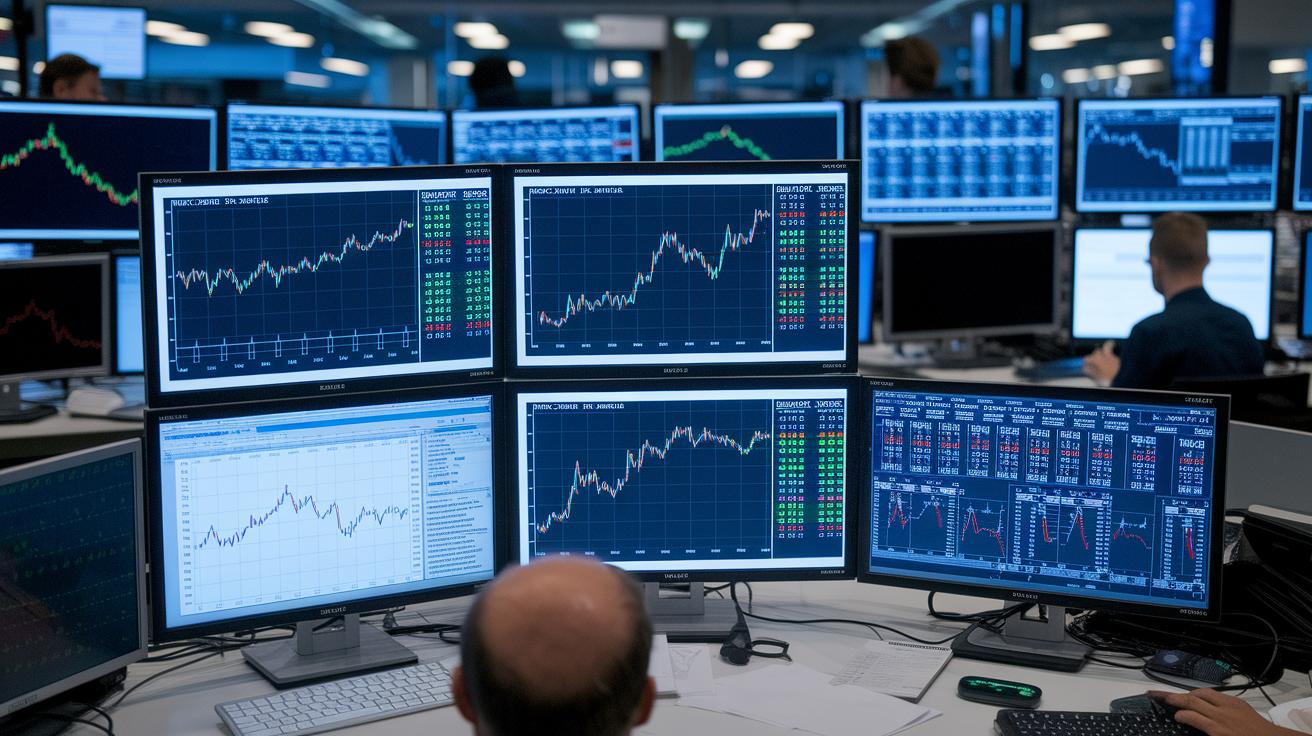
Today, digital platforms like Morningstar and Bloomberg give you essential data and clear analytics. They track key details such as tracking error, expense ratios, sector weight drift, and performance differences. This real-time data shows how closely a fund follows its market index so that you can react to changes quickly.
Monitoring tools and alert systems are a critical part of this setup. They are built to warn you when a specific limit, like a significant change in tracking error, is reached. When an alert sounds, teams and robo-advisors can immediately check and adjust the portfolio. For example, if a fund starts to stray from its benchmark due to market shifts, the system sends a notification right away. Try this: when you next review your fund, look for any alerts that suggest it might be time for a rebalance.
These platforms also work hand in hand with fund management processes. The analytics feed directly into dashboards that help fund managers decide on rebalancing and asset allocation. This close integration creates a smooth, cost-effective system that keeps funds aligned with their benchmarks and supports long-term passive investing strategies.
Final Words
In the action, we broke down the key roles behind passive investing. We looked at how fund managers mirror benchmarks, index providers set clear rules, robo-advisors automate tasks, and custodians plus regulators keep everything secure.
We also touched on how solid data platforms tie these pieces together. Use this guide to boost your financial steps, start with small adjustments today and build confidence in managing your portfolio, especially if you're curious about who manages passive investing.
FAQ
Frequently Asked Questions
Who manages funds in passive investing?
Passive investing is overseen by a team including index providers, fund managers, robo-advisors, institutional investors, and custodians. Their roles ensure low costs and a clear, market-tracking strategy.
How are passive funds managed?
Passive funds are managed by replicating market indexes. Fund managers or automated systems monitor tracking error, rebalance holdings periodically, and adjust for corporate actions to mirror the benchmark accurately.
What is the difference between passive management and active management?
Passive management tracks a set benchmark index with minimal trading, while active management involves ongoing research, frequent trades, and higher fees to try to outperform the market.
What are some examples of passive investments?
Examples include index funds and ETFs that track benchmarks like the S&P 500. They offer diversified exposure to the market at a low cost and require less frequent trading.
What are the disadvantages of passive investing?
Passive investing may lag during periods of market downturns and lacks flexibility for quick shifts. It also means investors fully accept market performance without tactical adjustments.
Does passive investing carry lower or higher risk?
Passive investing typically offers lower risk through broad market diversification, but it still mirrors overall market volatility. It may not shield against downturns in specific sectors.
How do passively managed index funds make money?
They generate revenue from dividends and capital gains from the underlying securities. Low management fees allow most earnings to be passed on to investors while maintaining index replication.
What fees are common with passively managed index funds?
These funds usually charge lower fees, often between 0.10% and 0.50% annually. This low fee structure helps maintain returns by keeping costs minimal.
Who are the biggest passive fund managers?
Leading passive fund managers include companies such as Vanguard, BlackRock, and State Street. They provide widely recognized index funds and ETFs with efficient management and competitive pricing.