


Ever thought your money could work for you even when you're taking it easy? Passive income lets you earn cash without constant work. You can build a steady stream of funds through dividend stocks, rental properties, bonds, and more. This guide shows you how to add a quiet income stream to create a safety net when work is slow. Even if your paycheck changes from month to month, you might enjoy consistent earnings. Your next step: grab a budget sheet and jot down one small change you can make today to boost your financial gains.
Passive investing income sparks financial gains
Passive income means money earned with little daily work. You can get it from dividend stocks, rental properties, bonds, and similar sources. Unlike a regular paycheck, this cash flow happens quietly in the background. It helps you build a safety net when retirement or free time reduces your working hours.
Adding passive income to your plan spreads risk and builds long-term stability. For example, while your salary might go up and down, a steady dividend from a solid company can give you reliable cash. This mix of income sources not only boosts your earnings but also helps protect you from unexpected changes.
Here are some common ways to earn passive income:
- Dividend Stocks
- Rental Properties
- Bonds
- REITs
- Index Funds
A big advantage is diversification. When you invest in different assets, you reduce the chance of one loss hurting your overall financial picture. Plus, passive income lets your money work for you. Once you set it up, you mainly sit back and let the earnings grow. This reinvestment can speed up wealth building over time.
Try this: Review your current finances and pick one passive income source to add to your plan. Even a small step now can lead to more stability later on.
Passive Investing Income Strategies: Vehicles, Yields, and Examples
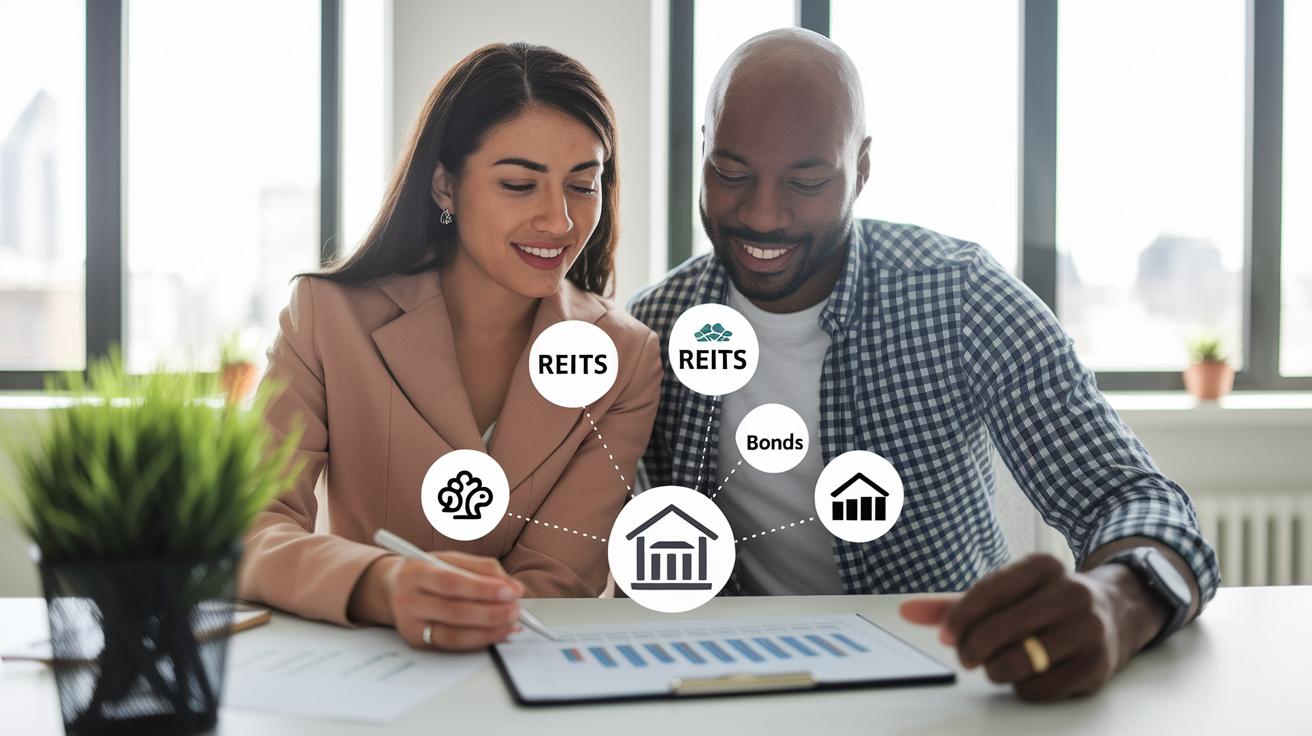
Picking the right way to invest passively is very important. Each option has its own mix of rewards and risks, so your choice should match your money goals and how much risk you can handle. When you align your strategy with your needs, you can set up steady, automated returns that boost your cash flow over time.
For instance, dividend stocks like Johnson & Johnson have a long record of raising payouts. Other choices like REITs, bonds, and rental properties offer steady income with different growth potentials. Below is an overview of five popular options for building passive income:
| Vehicle | Average Yield | Example Performance |
|---|---|---|
| Dividend Stocks | 2–4% | J&J: 2.5% yield, 165% 10-yr return |
| REITs | 4–7% | Vanguard REIT ETF: ~5% yield |
| Bonds | 1–3% | 10-yr Treasury: ~1.5% |
| P2P Lending | 4–6% | LendingClub avg: ~5% |
| Rental Properties | 5–8% | Local market cash-on-cash |
Match each option to your personal goals by weighing potential returns against the risks involved. Dividend stocks can offer strong long-term returns, but they work best with a stable company behind them. REITs and rental properties might deliver higher yields but can be affected by changes in the real estate market. Bonds and peer-to-peer lending generally provide lower, steadier income, which suits investors who prefer less risk. Additionally, many ETFs and index funds reinvest dividends for you, making your growth even more passive.
Your next step: Take a close look at your financial goals, timeline, and cash needs. Then decide which investment vehicle fits best into your plan to build steady, future-proof income streams.
Passive Investing Income Vehicles Compared: Risks, Rewards, and Suitability
Dividend-paying stocks can give you steady cash flow plus long-term growth when you reinvest the dividends. To smooth out market ups and downs, use tactics like stop-loss orders and spread your investments across sectors. For example, mix tech stocks with established consumer companies to lower volatility. Try this: Compare two dividend stocks during a six-month downturn to see how diversification limits losses.
Bonds offer predictable interest payments and help keep your capital safe. A solid strategy is to build a bond ladder. This means setting bonds to mature at different times so you can better handle changes in interest rates. Try this: Build a bond ladder with bonds maturing in 3, 5, and 7 years and watch how each group reacts when rates shift.
Real estate investments, whether through rentals or REITs, create income and the chance for asset growth. To lessen risks like vacancies and repair costs, pick properties carefully and keep a cash reserve. Try this: Set aside two months’ rent as a cushion for unexpected vacancies, and follow local market trends to build a strong property portfolio.
Building Your Passive Investing Income Portfolio: A Step-by-Step Roadmap

Assess Your Financial Health
Start by reviewing your money details. Write down your savings, investments, debts, and monthly costs. Calculate your net worth and see how much cash you have coming in and going out. This helps you spot extra funds to invest and highlights spending you can cut. Try this: list your numbers on paper or in a simple spreadsheet.
Define Your Income Objectives
Decide how much extra income you need each month or year to meet your future plans. Think about your current spending, rising costs, and future bills like healthcare. With a clear target, you know how much your investments must earn. Try this: jot down your income goal and compare it to your budget.
Establish an Emergency Fund
Before you begin investing, set up a safety net. Save enough to cover 3 to 6 months of your living expenses in an account you can reach easily. This reserve keeps you prepared for surprises without forcing you to sell investments when markets fall. Try this: open a dedicated savings account and plan how much you’ll set aside each month.
Explore Passive Income Options
Check out investment choices that don’t require daily attention. Look into dividend stocks, bonds, real estate, ETFs, and closed-end funds. Make sure you understand the risk and how these have performed in the past. This research gives you a solid base to build from. Try this: pick one option, research its basics, and note its advantages and risks.
Diversify Across Assets
Avoid putting all your money into one type of investment. Spread your funds across various industries, asset classes, and regions. A balanced mix can help smooth out ups and downs when markets change. Try this: review your current investments and plan how to add variety.
Leverage Tax-Advantaged Accounts
Use tools like 401(k)s and IRAs to grow your investments without paying taxes right away. These accounts let your money grow faster by delaying taxes, making them a smart part of your long-term strategy. Try this: check if you’re eligible for these accounts and see if you can boost your contributions.
Plan Your Transition
Map out a step-by-step plan to move from relying solely on your paycheck to living off your investments. Begin by supplementing your income with money from your investments, and gradually cut back on work as your passive income grows. Try this: set small milestones on a timeline to make your shift more manageable.
Scaling and Optimizing Passive Investing Income Over Time
When you reinvest dividends and interest, you let your money work harder for you. Instead of taking cash from a dividend, use it to buy more shares. This simple step builds a snowball effect, turning every payout into another chance to earn compound interest. Over time, these reinvestments can noticeably boost your portfolio.
Other strategies can also add extra income. For example, with covered calls, you allow someone else the option to buy your stock at a set price, which earns you extra cash while you still own the shares. You might also use selective leverage, borrowing a little to invest further, but be sure to use it carefully. Always check if you receive dividends quarterly or annually to match your cash flow needs.
Regular portfolio checkups can keep your investments working as hard as possible for you. By reviewing and rebalancing your holdings often, you make sure your investments align with your financial goals and help manage market ups and downs. If this feels overwhelming, consider reaching out to a professional for advice. Taking these simple steps can help you steadily grow your passive income over time.
Passive Investing Income Tax Considerations and Efficiency

Retirement accounts like IRAs and 401(k)s let your money grow tax-deferred. This means you pay taxes later, typically in retirement, so your passive income has more time to compound. Qualified dividends and long-term capital gains enjoy lower tax rates, which can boost your overall returns. Imagine earning steady dividends while keeping more of your money working for you.
Municipal bonds are another tax-smart choice. The interest from these bonds is often free from federal taxes, making them ideal for protecting your earnings. They add a low-risk, steady income stream to your portfolio. Mixing these bonds with other investments can help you balance tax efficiency and consistent cash flow.
There are more smart tactics to reduce your tax bill. For instance, tax-loss harvesting involves selling investments at a loss to offset gains, which can lower your taxable income. In addition, selecting low-turnover ETFs helps limit taxable distributions. Try this: spend a few minutes each year reviewing your portfolio for losses and make adjustments to keep your tax burden low while maintaining a healthy mix of income-producing assets.
Passive Investing Income Case Studies: Dividend Kings and FIRE Strategies
Take a look at two smart examples of building steady income from investments. Johnson & Johnson, for instance, has boosted its dividend for over 60 years. Today, it pays about $5.20 per share with a 2.5% yield and has returned roughly 165% over the past decade. Meanwhile, Walmart has raised its dividend every year for 53 years, offering nearly $1 per share at just under a 1% yield and a ten-year total return of around 560%. These examples show that companies with a long history of reliable dividends can deliver consistent cash flows and solid long-term returns.
Another approach comes from someone who achieved FIRE (financial independence, retire early) in their mid-30s after a regular corporate career. This person shifted their focus to ETFs, closed-end funds, and covered call overlays. They even used a bit of selective leverage to boost returns and put together a step-by-step plan to rely less on earned income. With DIY investing tools to track and tweak performance, their portfolio became a steady engine for wealth creation.
Your next step: Look for companies with strong dividend histories and consider adding income-enhancing strategies that match your comfort with risk. Start small by exploring ETFs or tools that help you monitor your investments. Over time, you can build a portfolio that provides a steady stream of passive income.
Final Words
In the action, we've outlined how to use dividend stocks, rental properties, bonds, REITs, and index funds to build steady passive investing income. We broke down key strategies from developing a solid plan and diversifying your portfolio to managing tax impacts and scaling income streams.
Take a step today: review your finances and pick one strategy to explore further. Your next move can set the stage for a more secure financial future.
FAQ
Passive investing income Reddit
The term passive investing income Reddit describes discussions on community forums where users share real-life experiences and strategies for generating income from investments that require minimal active management.
Passive investing income examples
Passive investing income examples include earnings from dividend stocks, rental properties, bonds, REITs, and index funds. These assets generate regular income with little day-to-day management required.
Passive investing income for beginners
Passive investing income for beginners involves starting with simple, low-risk investments like index funds and dividend stocks. These options help build a steady income stream while requiring minimal active involvement.
Passive income investing Adrian / Adrian passive income investing Reddit
Passive income investing Adrian refers to strategies shared by advisor Adrian on online platforms. His approach emphasizes diversified portfolios and steady, long-term income through various investment vehicles.
Passive income investing portfolio
A passive income investing portfolio is a collection of assets—like dividend stocks, bonds, and real estate—that generate earnings without frequent trading or active management, offering a more hands-off approach to wealth building.
Beginner passive income
Beginner passive income focuses on starting small with investments that yield dividends or interest. It’s aimed at those new to investing seeking methods that offer steady income with minimal ongoing effort.
Passive income investing website
A passive income investing website is an online resource that provides information, tools, and strategies to help investors learn about and build reliable income streams from their investment portfolios.
How much do I need to invest to make $1000 a month?
To make $1,000 a month, you typically need to invest a sizable sum. Depending on yield rates, estimates often range from $200,000 to $300,000 in assets generating regular returns.
What is the best investment for passive income?
The best investment for passive income varies by risk tolerance, but many investors favor dividend stocks, REITs, or index funds due to their ability to generate consistent earnings over time.
How can I make $1000 a month in passive income?
To make $1,000 monthly in passive income, you should craft a diversified strategy. Combining dividend stocks, bonds, and rental properties can steadily build income while minimizing reliance on active management.
What is the 7% rule in investing?
The 7% rule in investing is a general guideline suggesting that a 7% yield from an investment is a reasonable target for generating sufficient passive income, considering potential risks and long-term returns.