


Ever thought that a few small changes could boost your credit score? It’s easier than you might think. Start by checking your free credit report for mistakes, pay your bills on time, and keep an eye on your credit use. These actions can help rebuild your credit and improve your financial outlook.
Try this: Review your free credit report today, mark any errors you find, and start fixing them. Each small step moves you toward a stronger financial future.
Key Steps to Repair Your Credit Score
Repairing your credit is within reach when you follow a few clear, practical steps. Start by obtaining your free annual credit reports from Experian, TransUnion, and Equifax. Reviewing these reports helps you catch any errors that might be dragging you down.
Paying your bills on time is essential since timely payments make up 35% of your FICO score. Set up automatic payments so you never miss a due date and avoid late fees. Keeping your credit use under 30% of your available credit can also make a big difference, this simple tweak can really boost your score.
Here’s your checklist for a better credit future:
- Request free annual credit reports from Experian, TransUnion, and Equifax.
- Set up autopay to ensure your bills are always paid on time.
- Keep your credit usage below 30% of your total available credit.
- Dispute any errors or misreported late payments through the credit bureau’s 30-day investigation process.
- Ask to be added as an authorized user on an account that has a good record and reports to all three major bureaus.
- Consider a secured credit card or a credit-builder loan to start building positive credit history.
- Check your credit score every month so you can see your progress and adjust your strategies if needed.
Your next step: Choose one item from this list, whether it’s requesting your credit reports or setting up autopay, and tackle it today. Small wins add up, and by addressing these points regularly, you’re on the path to a stronger credit profile and better financial health.
How to Review and Dispute Errors on Your Credit Report
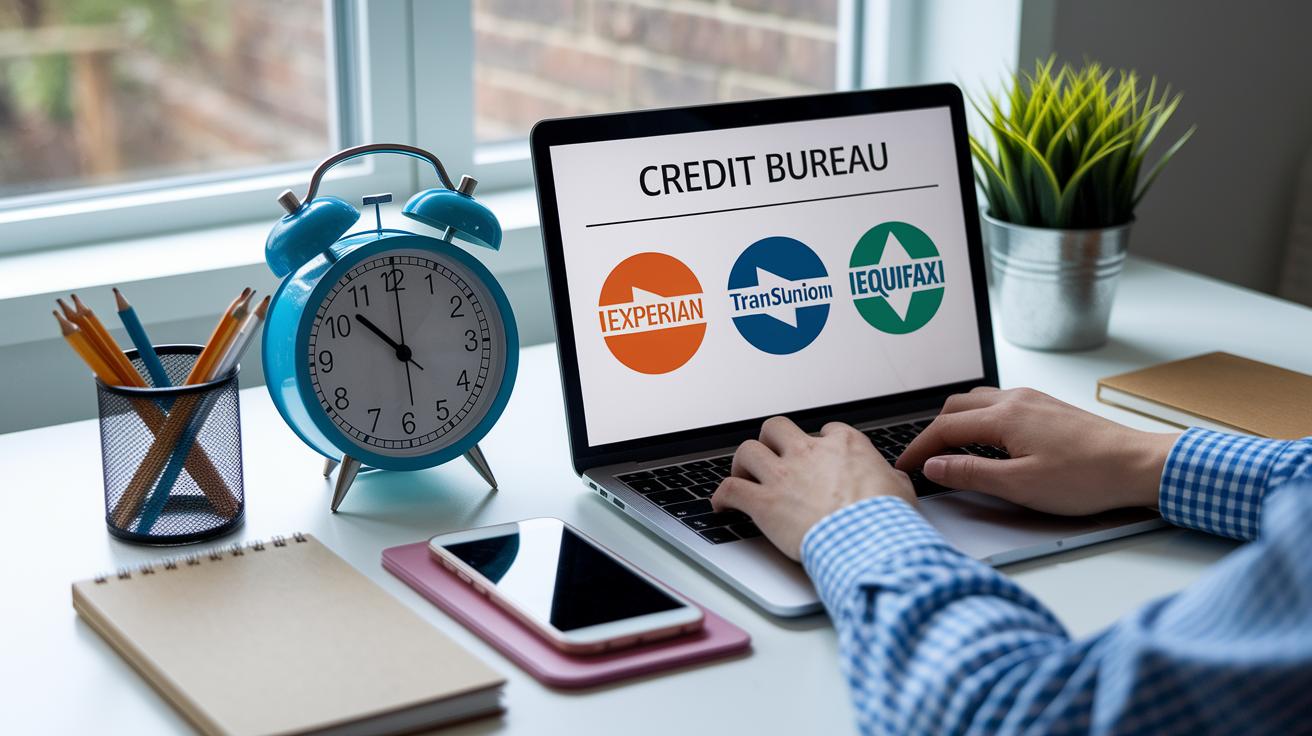
Start by getting your free credit reports at AnnualCreditReport.com. Every year, Experian, TransUnion, and Equifax each offer one free report. Checking your report is a quick win to catch errors that might bring your score down.
Your next step: Log in during your free access period on AnnualCreditReport.com and download your reports from each bureau. Review them carefully for mistakes like a wrong late payment, duplicate accounts, or incorrect personal details. For example, you might see an entry that says you missed a payment in June 2023 even if you paid on time.
If you spot an error, act fast. Dispute the mistake by filling out an online form or sending a certified letter. In your dispute, explain the error clearly and include copies of documents that back up your claim, such as proof of payment. The credit bureaus usually take about 30 days to look into your claim and reply.
Your next step: Check your report regularly and handle any errors immediately. Taking these steps can help keep your credit healthy and set you on the path to a better financial future.
| Step | Action |
|---|---|
| 1 | Download your free credit reports at AnnualCreditReport.com |
| 2 | Carefully check for mistakes like late payments, duplicate accounts, or incorrect details |
| 3 | Dispute any errors online or by sending a certified letter with proof |
| 4 | Follow up as needed within 30 days for a response |
Managing Debt and Reducing Credit Utilization
Cutting down on debt and keeping your credit use low is a smart way to boost your credit score quickly. When you lower your card balances before the billing cycle ends or break up one large payment into smaller ones, you help keep your usage below 30% of your credit limit. This simple habit strengthens your score because credit use is an important part of how it’s calculated. Also, keep older accounts open. They add to your available credit and show a long repayment history.
Try this quick plan to control debt and lower your credit use:
- Make several small payments throughout the month so your balance stays low at billing time.
- Pay down card balances early in the cycle to show less debt.
- Ask for a higher credit limit when your income or payment history improves. This move can lower your credit use right away.
- Keep your oldest cards active to build a stronger credit history.
Your next step: Download a free debt payoff planner. Use it to schedule payments and track progress. Following these steps is a budget-friendly way to mend your credit and create a brighter financial future.
Credit-Building Tactics to Add Positive Tradelines

Adding positive tradelines shows lenders you use credit wisely. These simple steps can help you improve your credit score and build a solid credit history.
Try this: Ask to be added as an authorized user on a long-standing account that pays on time. Look for accounts that report to all three major credit bureaus. This step quickly builds your credit history and adds variety to your credit mix.
You can also use a secured credit card. With this card, you make a deposit that sets your limit. Use it for small purchases and pay the balance in full each month. This careful use shows you pay your bills on time and may qualify you for an upgrade to an unsecured card later.
Another option is a credit-builder loan. These loans usually range from $500 to $1,000 with a repayment plan of 6 to 24 months. Regular monthly payments are reported to credit bureaus, building a steady record of on-time payments. This is a smart way to prove you can manage debt.
Some services let you report your rent and utility payments to the credit bureaus. While not all scoring models use these reports, many VantageScore models do. It’s a low-cost way to add an extra positive tradeline to your report.
Lastly, consider using Experian Boost. This tool links your phone, utility, and streaming accounts to your credit profile. When on-time payments from these services are added, you may see a quick boost in your score.
Your next step: Pick one of these strategies and start today, each small move builds a stronger credit history for tomorrow.
Automating Payments and Tracking Your Credit Progress
Set up autopay on your bills so you never miss a payment. Linking your bank account makes sure each payment is recorded correctly. This simple step supports the 35% payment history factor that boosts your credit score.
Connect your bank account to your payment system to streamline how you pay. Automating your bills cuts the risk of late fees and keeps bad marks off your record.
Free apps and tools offer monthly credit score updates and clear details on what affects your rating. They help you see sudden spikes in credit use or spot any new negative entries quickly. This regular check keeps your financial progress on track.
Make it a habit to review your credit score often. Check for mistakes or any new issues so you can fix them fast.
Your next step: Link your bank account to your autopay service today.
Expected Timeline for Credit Repair and Score Improvement

Fixing your credit takes time and steady effort. Dispute checks usually finish in about 30 to 45 days. Negative marks, like late payments, may stay on your report for up to 7 years. Credit-builder loans and secured cards often show improvements within 6 to 12 months. In 2024, the average U.S. credit score was 715, proving that small, consistent steps pay off.
| Action | Expected Timeframe |
|---|---|
| Dispute investigation | 30–45 days |
| Late-payment removal | Up to 7 years |
| Credit-builder loan gains | 6–12 months |
| Secured card improvements | 6–12 months |
Keep making on-time payments and use credit-building tools. Each good move, like fixing errors or adding a secured card, helps you build a stronger financial future. Your next step: check your credit report today and address any errors you find.
When to Consider Professional Credit Repair Assistance
If unresolved credit reports, rising debt, or a feeling of being stuck are holding you back, it may be time to seek expert help. Nonprofit credit counseling services offer free or low-cost advice from certified counselors. They review your report, help plan a debt repayment schedule, and can even file disputes for you.
When simple fixes aren’t enough, turning to a professional could be a good move. Experts can dispute errors and negotiate with creditors to boost your credit score. Fees vary, so compare costs with the potential improvements before deciding.
Your next step: Check out our guide on the Benefits of a Financial Planner and learn how to pay off debt for more support. Working with pros can give you clear, step-by-step advice you can start using right away.
Final Words
In the action, we broke down a clear plan for repairing credit. We covered checking reports, disputing errors, reducing debt, and adding positive tradelines. Each section offered simple tools, from automating payments to understanding timelines and professional help. This guide gives a quick checklist on how to repair my credit score while guiding you through each step. It’s a practical reminder that small, consistent actions make a big difference in your financial health. Keep pushing forward and enjoy the progress you make along the way.
FAQ
How to repair my credit score quickly?
Repairing your credit score quickly starts with checking reports for errors, updating late payments, reducing credit balances, and automating bill reminders to improve your overall standing promptly.
How to repair my credit score with bad credit?
Repairing bad credit begins by reviewing your reports for inaccuracies, lowering high balances and late payments, and building a record of on-time payments through secured cards or credit-builder loans.
How can I repair my credit score for free or with no money?
Repairing your credit for free involves obtaining annual credit reports, disputing errors online, automating bill payments, and using budgeting tools. Nonprofit credit counselors also offer free guidance.
How can I fix my credit myself to buy a house?
Fixing your credit for a home purchase starts with checking reports, disputing errors, reducing debt, and making on-time payments. DIY efforts like automating bills and increasing credit limits set a solid foundation.
What is the 2-2-2 credit rule?
The 2-2-2 credit rule is a guideline advising limited new credit inquiries and low balances. It suggests applying for no more than two new accounts in two years while keeping balances below roughly 20% to 22%.
How can I get a 700 credit score in 6 months?
Achieving a 700 score in 6 months requires reviewing reports, disputing errors, reducing debts, lowering credit utilization, and maintaining consistent on-time payments to gradually build a positive credit mix.
How can I get an 800 credit score in 45 days?
Achieving an 800 score in just 45 days is highly unlikely. Significant credit repair takes time with consistent efforts including accurate reporting, reduced balances, and a history of on-time payments to build a strong profile.