


Feeling overwhelmed by debt can be stressful. The debt snowball method offers a straightforward way to regain control. Start by paying the minimum on every debt. Then, put any extra money toward your smallest balance. Once that debt is cleared, roll its payment into the next one. This steady, focused approach creates quick wins and builds momentum as your debt shrinks. Ready for a change? Try this method today and take the next step toward financial relief.
Debt Snowball: Fast Path to Debt Relief
The debt snowball method is simple. You pay the minimum on all your debts, but any extra cash goes toward the one with the smallest balance. This way, you clear a debt quickly and see progress without getting lost in complicated interest rates.
When you finish paying off the smallest debt, add the payment you were making on that debt to the next smallest one. You keep making minimum payments on every debt until you clear the next one. This approach is easy to follow and gives you a quick boost each time you pay one off, helping you stay motivated even if the highest interest rate isn't tackled first.
For instance, imagine you have a $300 credit card balance you’ve been struggling with. Once you clear that, you add the $300 payment to the next smallest debt. That extra boost is like a snowball growing as it rolls, each win makes the next one even easier.
Your next step: List all your debts, spot the smallest balance, and start focusing any extra payment on it. Watch your debt shrink one small win at a time!
Setting Up Your Debt Snowball Repayment Plan

Begin by listing every debt you have. Write down each account’s balance, the minimum payment, and the interest rate. Then, sort your debts from the smallest balance to the largest. For example, if you owe $500, $1,200, and $3,000, list them in that order. This lets you focus on paying off the smallest balance first, giving you an early win and boosting your confidence.
Next, review your monthly budget to see how much extra money is available to put toward reducing your debt. Use a tool like a monthly budget template and look for small adjustments, such as cutting back on non-essential expenses or adding income from a side gig. Direct any extra money to your smallest debt so you can tackle it quickly and steadily reduce your overall debt load.
Finally, set a specific target date to finish off that first debt. Mark the date on your calendar and keep an eye on every payment you make. Also, check your free credit report regularly for any errors that might change your balance. If something doesn’t add up, adjust your plan so you stay on track and make progress toward a debt-free life.
Debt Snowball vs Debt Avalanche Comparison
When deciding how to tackle your debt, you have two clear choices. The Debt Snowball method focuses on paying off the smallest balances first. This approach wins you quick victories that boost your motivation. In contrast, the Debt Avalanche method targets debts with the highest interest rates first. This choice helps lower the total interest you pay over time.
Your next step: Choose the method that best matches your goal, speedy wins or long-term savings.
| Feature | Debt Snowball | Debt Avalanche |
|---|---|---|
| Priority Order | Pay smallest balance first | Pay highest interest rate first |
| Interest Savings | May cost more in interest | Saves money on interest |
| Complexity | Simple and easy to follow | Needs more calculations |
| Motivation Factor | Quick wins boost energy | Progress may feel slower initially |
| Best For | If you need early victories | If you want to cut down on interest costs |
Both methods offer clear benefits. If you need fast wins to build momentum, try the Debt Snowball method. If you want to pay the least amount of interest, the Debt Avalanche might be better for you. Pick the approach that fits your personal goals and start taking action today.
Tips to Accelerate Your Debt Snowball Progress
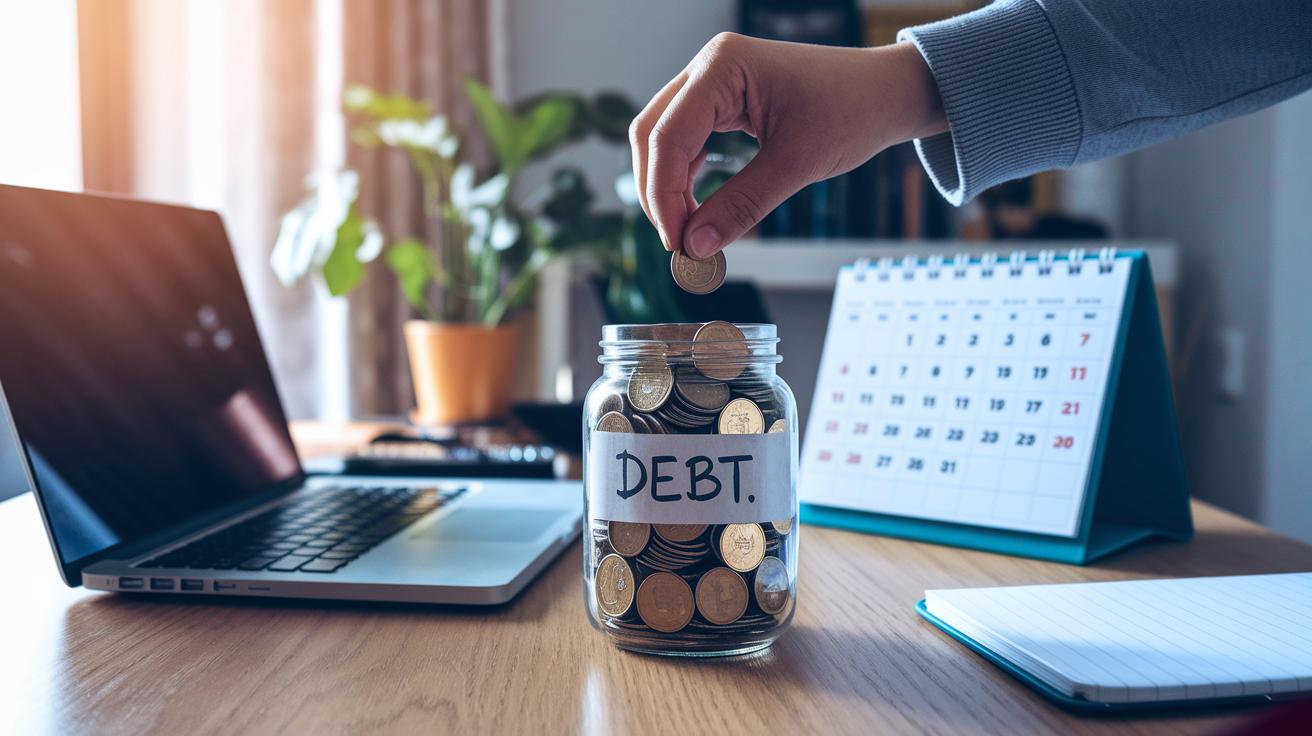
Start by adding small bits of extra money to your monthly payments. For example, if you skip eating out once a week, save that money and add it to your debt snowball. These tiny wins build an extra cushion that moves you faster toward your goal.
Boost your earnings by taking on a side gig or working overtime when you can. Try setting up an automatic transfer right after your paycheck comes in so your extra cash goes straight to your next debt payment. This method keeps you on track and shows real progress over time.
Keep a close eye on your savings using a budgeting app or debt snowball calculator. A debt payoff planner can help you schedule extra contributions and monitor your progress. Try using one today to see where you can add even more to your payments.
Review your credit report regularly and be ready to adjust if unexpected bills come up. It’s okay to pause extra contributions briefly and then jump back in as soon as you can. Your next step: check your report now and update your plan if needed.
Managing Challenges and Staying Motivated with Debt Snowball
Pros of Debt Snowball
Debt snowball gives you quick wins that keep you motivated. Paying off a small balance, say a $100 credit card debt, builds discipline and can even boost your credit score. These wins push you forward and help you stick to your plan when unexpected costs show up. Your next step: Choose one small debt and pay it off to see that victory for yourself.
Cons of Debt Snowball
Focusing only on the smallest balances can mean paying more interest over time and slowing your progress. It might also cause problems when an unexpected bill appears. Adjust your budget as needed and review your credit report regularly to catch any issues early. For example, if an unexpected charge comes up, pause your extra payments for a bit and update your plan once the bill is managed. Your next step: Set a reminder to check your credit report at least once a month to stay on track.
Essential Tools and Resources for Your Debt Snowball Plan

Tackle your debt faster with the right tools that keep you on track. Digital resources like budgeting apps and online calculators help you plan your debt snowball method. For example, try an online calculator to find out how an extra $50 a month can quickly clear a $500 balance.
Digital apps and interactive worksheets give you real-time updates. An app like EveryDollar helps you spot extra cash, while a free online snowball calculator shows when each debt will be paid off. These tools let you adjust your plan on the fly and offer clear numbers to keep you motivated.
Printable templates also play an important role. A digital clearance template can guide you through deadlines and rollover payments. A customizable Excel sheet lets you list each debt’s balance and check off accounts as you clear them. Pair these printables with regular free credit report checks to keep your data accurate and your plan on track.
Your next step: Try a free online repayment calculator today, and see how a small extra payment can speed up your payoff.
Final Words
Jump right into using the debt snowball method to tackle your balances one at a time. This guide breaks down how to set up a clear plan, compare your repayment options, and ramp up your progress with practical tools. You have step-by-step instructions to list debts, budget for extra payments, and overcome setbacks with quick wins. Put these actions into practice and watch your financial confidence grow as you roll each balance into the next. Stay positive, and keep moving forward toward a debt-free future.
FAQ
What is a debt snowball calculator?
A debt snowball calculator provides a tool that projects a repayment schedule, showing how extra funds applied to the smallest debt can build momentum to clear all debts sequentially.
What is a debt snowball worksheet?
A debt snowball worksheet organizes your debts by listing each balance, minimum payment, and interest rate, so you can track progress and easily update your plan as you clear each debt.
How does the debt snowball compare to the debt avalanche method?
The debt snowball targets the smallest balances first for quick wins, while the avalanche focuses on the highest interest rates to reduce total costs; your choice depends on whether motivation or saving on interest matters more.
How can I use a debt snowball Excel template?
A debt snowball Excel template lets you input all debts, automatically sort them by balance, and calculate how rolling over payments speeds up debt clearance, making budgeting and tracking more straightforward.
What insights does the debt snowball method share on Reddit?
Discussions on Reddit share personal experiences and practical tips about the debt snowball method, offering real-life examples, motivation, and adjustments that have helped users succeed in clearing their debts.
What is included in a debt snowball PDF guide?
A debt snowball PDF guide outlines the method with clear, step-by-step instructions and tracking tables, making it easy to print and follow along as you work through your debt payoff process.
Can you give an example of the debt snowball method?
An example of the debt snowball method involves listing debts from smallest to largest, paying minimums on each, and applying extra funds to the smallest debt until it’s paid off, then rolling that payment into the next debt.
What does a debt snowball app do?
A debt snowball app digitizes your payoff plan by tracking balances, calculating projected payoff dates, sending alerts for milestones, and visually showing progress to keep you motivated on your journey.
Does the debt snowball method really work?
The debt snowball method works by providing quick wins that boost motivation, encouraging consistent payments. Its focus on behavior change creates a practical structure that many have successfully followed to clear debt.
Is $20,000 in credit card debt a lot to have?
Carrying $20,000 in credit card debt can mean high interest and challenging monthly payments; using strategies like the debt snowball can help you gradually reduce the balance and improve your overall financial health.
What is Dave Ramsey’s debt snowball strategy?
Dave Ramsey’s debt snowball strategy involves paying off debts from the smallest balance first to build success momentum, allowing you to eliminate debts step by step while gaining financial confidence.
How long will it take to pay off $10,000 in credit card debt?
The time to pay off $10,000 in credit card debt depends on your monthly payment and interest rate; using a debt snowball calculator helps create a clear timeline so you can plan extra payments for faster payoff.