


Quick win: Build strong business credit and unlock better loans today.
Ever wonder why some entrepreneurs grow fast while others wait on personal credit? The secret is building business credit. It leads to stronger loans and better deals.
Start by choosing the right legal structure, opening your own bank account, and using a business credit card smartly. These steps show lenders that you mean business.
Your next step: Follow these clear actions to set up your business credit and start growing quickly.
Essential Actions to Build Business Credit for Entrepreneurs
Pick a legal structure that suits your business. An LLC, C corporation, or S corporation can protect your personal money and show lenders you’re serious. For instance, an LLC helps shield your personal risk while giving your business a professional edge.
Get an Employer Identification Number (EIN) from the IRS next. Think of your EIN as your business’s fingerprint for tax and credit matters. Then, open a dedicated business bank account using your EIN. Keeping your funds separate makes your books easier and builds trust with banks.
Register for a D-U-N-S Number from Dun & Bradstreet. This number lets lenders check your business’s payment habits without mixing in your personal credit. One entrepreneur mentioned that after getting his D-U-N-S Number, his vendors were more willing to offer net-30 payment terms.
Use a business credit card responsibly. Try to keep your credit use below 30%, aim for less than 10% if you can. For example, if your card has a $5,000 limit, try not to carry more than $500 in balance each month. Paying on time shows you’re reliable and builds your credit history.
Set up trade credit with vendors who offer net-30 payment terms. Create a list of these suppliers and stick to paying your bills on schedule. Regular, on-time payments add up to a strong credit history, which is vital for boosting your credit score.
Finally, check your credit reports regularly. It might take about a year to see a solid business credit profile, but frequent checks help you catch any mistakes quickly.
Your next step: Review your business setup and ensure you have an EIN, a dedicated bank account, and the right vendor relationships. Then, monitor your progress with regular credit report checks to build a lasting business credit profile.
Business Credit vs. Personal Credit for Entrepreneurs

Personal credit is like your personal report card, it shows how you handle money day to day. Business credit, however, tells the story of your company’s financial health, separate from your personal spending habits. Many entrepreneurs kick things off using their good personal credit to secure funding, but growing a business means building strong business credit too.
Lenders often look at both scores when you apply for a loan. Even though each score stands on its own, together they paint a complete picture. For example, commercial scoring tools like FICO SBSS check how long your business has been running, whether your revenue is steady, your cash flow is reliable, and if you have any liens. This helps them decide how well your business can manage debt compared to your personal finances.
Keeping an eye on both your personal and business credit is a smart move. Try this: Check your credit reports regularly, fix any mistakes you find, and always pay your bills on time. These steps can boost your credibility and help you tap into better financing options.
One small business owner discovered that by focusing on business credit, they qualified for up to $5.5 million in financing, far beyond the limits of most personal loans.
Establishing Legal Structure & Creditor Identity for Business Credit
Choose a Legal Structure
Start by picking a legal structure to form a strong base for your business credit. Most people choose an LLC, C corporation, or S corporation. An LLC, for example, protects your personal assets and keeps your business finances separate. One entrepreneur did just that by setting up an LLC and using separate bank accounts, a simple move that made lenders see the business as well-organized.
Avoid mixing your personal and business money, as this can cause confusion and hurt your credit. Each structure also brings its own tax benefits. S corporations could help lower self-employment taxes while C corporations might suit growth investments better. Always file your annual reports and follow compliance rules to keep your business in good standing.
Try this next: Review your options and set up a separate bank account if you haven’t already.
Obtain an Employer Identification Number (EIN)
An EIN is a unique number the IRS gives to your business that works like a social security number for it. You can get one quickly online, and it is key when you open bank accounts or apply for credit. One business owner, after obtaining an EIN, opened a dedicated bank account, which made bookkeeping simpler and prepared the business for future credit needs.
Keep in mind the IRS guidelines to stay updated and avoid reapplying if any business details change.
Your next step: Apply for an EIN online to secure your business identity.
Register for a D-U-N-S Number
A D-U-N-S Number from Dun & Bradstreet is a free tool that builds your business credit file. Creditors use it to track how you handle payments, so keeping your commercial credit separate from your personal credit is important. One small business owner mentioned that after getting a D-U-N-S Number, suppliers offered better trade terms because the business looked more reliable.
Review your D-U-N-S file regularly to ensure it is accurate and up-to-date, avoiding any issues with compliance.
Next up: Register for your D-U-N-S Number and double-check its accuracy every few months.
Building a Business Banking Foundation to Support Credit
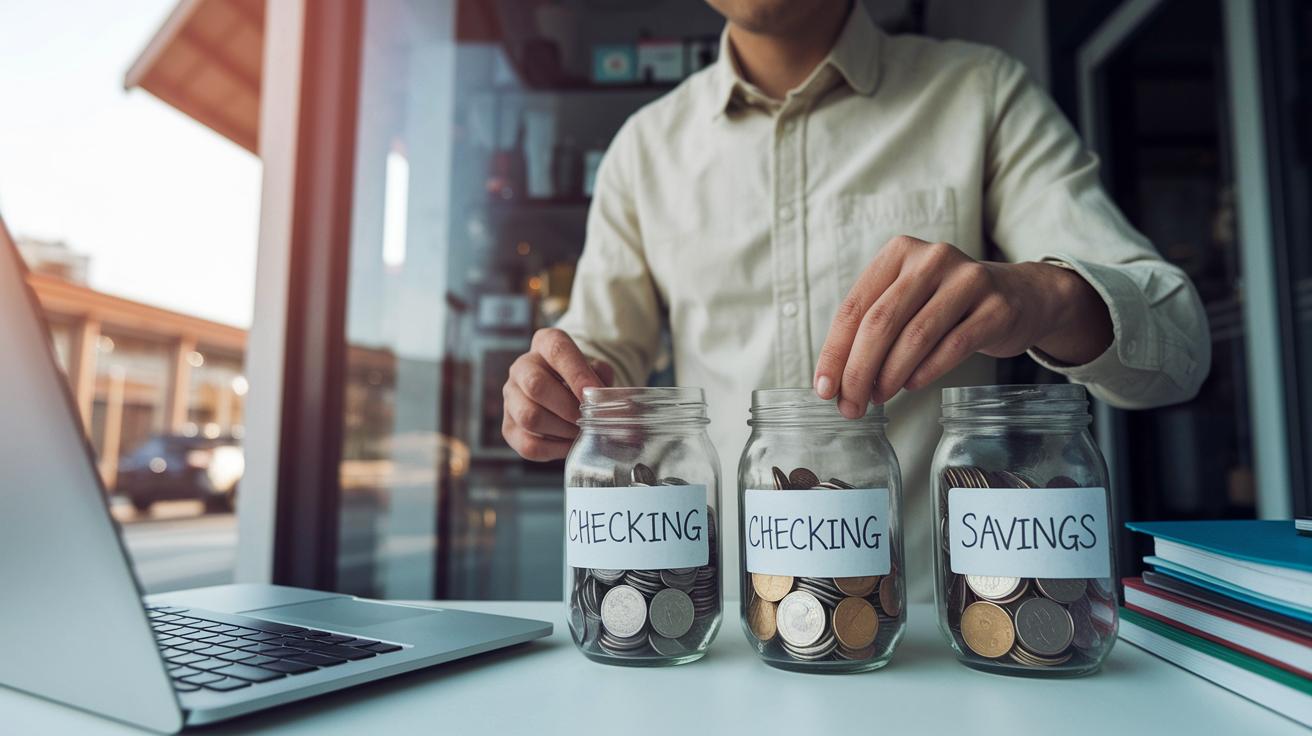
Open separate business checking and savings accounts using your EIN. Keeping your personal and business funds apart creates a professional image and makes your accounting easier. For example, one coffee shop owner found that separating accounts simplified monthly bookkeeping, like sorting coins and bills into different jars.
Start by setting up a business checking account for everyday expenses and a savings account for unexpected costs. You can also add a merchant card processing account to track sales and fees on their own. Lenders appreciate clear records when they review your financial history.
Keeping your accounts well-organized makes tax time simpler. Accurate records lower the risk of errors and help you reconcile your accounts each month. Check your transactions regularly to ensure everything matches and your credit usage stays in line.
Here’s what you can do right now:
- Open a separate checking account for daily operations.
- Set up a savings account to build a financial cushion.
- Reconcile your accounts every month to keep records accurate.
This method builds a strong financial foundation that boosts your business credit profile and earns lender trust, paving the way for future credit opportunities.
Leveraging Vendor & Trade Credit to Accelerate Score Building
Trade credit means a supplier lets you delay payment, say, paying after 30 or 60 days. When you pay these bills on time, you build a strong payment history. One entrepreneur shared that always making net-30 payments on time led to better terms with suppliers down the line.
Paying vendors on time is crucial, especially those that report to Dun & Bradstreet and Experian SBFE. Every missed or late payment can lower your score. To avoid this, set up a clear schedule and pay your bills early. One business owner explained that setting reminders to pay two days before the due date kept reports in good shape and improved their track record.
It’s also smart to work with several vendors. Relying on multiple suppliers means your credit file shows many positive trade lines. That way, one mistake will not hurt your credit as much, and your overall profile becomes more solid.
Try this checklist right now:
- List your main vendors and their payment terms.
- Set calendar reminders for each due date.
- Confirm that your vendors report to the top business credit bureaus.
- If necessary, submit trade references directly to the credit bureaus.
Taking these steps will help maintain a healthy credit flow and speed up the growth of your business credit score.
Strategic Use of Business Credit Cards & Financing Options

Using business credit cards is a smart way to build a strong payment record. Keep your balance low by using less than 30% of your credit limit, aim for under 10% if you can. For example, if your card has a $5,000 limit, try not to use more than $500 at any time. Always pay your bill on time.
Choose a card that reports your payments to commercial bureaus such as Dun & Bradstreet, Experian SBFE, or Equifax Small Business. This reporting builds a solid record and can open doors to more financing later. One business owner shared, "I switched to a card that reports my payments, and my business credit score began to rise noticeably within a few months."
Keep an eye on rewards, too. Many cards offer cash back, travel points, or supplier discounts that can help lower your business costs while boosting your credit. Compare your options to find a card that fits your needs and reports every transaction to the major bureaus.
Other financing options like unsecured funding might also help your business grow. Track your spending and set up alerts or reminders to avoid missing due dates. This habit will keep your credit history strong and ready for future capital needs.
Your next step: Review your current credit card choices, check what they report, and choose one that fits your cash flow while giving you rewards.
Monitoring, Managing & Improving Your Entrepreneurial Business Credit
Regularly review your business credit reports. We recommend checking reports from Dun & Bradstreet, Experian SBFE, and Equifax Small Business every quarter. This method helps you spot unexpected inquiries or negative items early. For example, one entrepreneur set up email alerts to dispute any errors right away.
It’s important to know what shapes your score. When you look at your FICO SBSS factors, pay attention to your personal and business credit scores, revenue, cash flow, time in operation, and liens. A sudden drop in your score may signal that one area needs immediate fixing.
Try these targeted improvement steps:
- Reduce credit utilization by paying down balances faster.
- Boost your trade references by asking suppliers to report on-time payments.
- Keep your company address and phone details up-to-date on all reports.
These actions build a solid credit recovery plan and support your financial stability. One business owner shared that setting up transaction alerts and quickly addressing discrepancies helped improve their score noticeably within a few months. Your next step: set a reminder to check your reports each quarter, and make adjustments as needed.
Final Words
Jump right into your business credit journey by setting up a proper legal structure and separating your finances with dedicated accounts. Taking these steps builds a clear payment history with vendors and credit card companies. Regular reviews of your credit score can help you adjust your strategy when needed. These simple actions make a big difference for building business credit for entrepreneurs. Keep moving forward one step at a time, stay consistent, and keep your financial progress on track.
FAQ
How do I build business credit without using personal credit?
Building business credit without relying on personal credit means setting up a legal entity, obtaining an EIN and D-U-N-S number, opening separate business bank accounts, and using vendor credit lines for on-time trade credit reporting.
How do I build business credit in 30 days?
Building business credit in 30 days involves quickly establishing your legal structure, getting your EIN and D-U-N-S number, setting up dedicated bank accounts, and initiating trade lines with vendors that report to credit bureaus.
How do I start business credit with an EIN and D-U-N-S number?
Starting business credit with an EIN and D-U-N-S number means you’ve established your business identity. This setup lets you open business bank accounts and apply for vendor credit, which builds your business credit profile.
How do vendors and net-30 accounts help build business credit?
Vendors and net-30 accounts help build business credit by allowing you to establish trade credit. When these vendors report timely payments to bureaus, your business credit profile strengthens.
What is the 2 2 2 credit rule and what are the 5 C’s of business credit?
The 2 2 2 credit rule is a guideline some use for establishing multiple trade lines, though it isn’t standardized. The 5 C’s—character, capacity, capital, conditions, and collateral—are factors lenders review to assess your business creditworthiness.
How does a $50,000 business loan monthly payment affect my business credit score?
A $50,000 business loan payment, when made on time, supports your business credit score. The monthly amount varies by interest rate and term, typically ranging from several hundred to a couple thousand dollars.
Are there startup business credit cards available with no personal credit requirements?
Some startup business credit cards are available based solely on your EIN if your business has begun to build its credit profile. These cards usually offer lower limits and report transactions to commercial bureaus.
How can I monitor and improve my business credit score?
Monitoring your business credit score involves regularly reviewing reports from Dun & Bradstreet, Experian SBFE, and Equifax Small Business to catch errors and make adjustments like reducing utilization or adding positive trade references.
How do business credit lines and loans contribute to a stronger credit profile?
Using business credit lines and loans responsibly—keeping utilization low and paying on time—builds a solid payment history that, in turn, boosts your overall business credit score.