


Ever wonder how some people save money without even thinking about it? They use automatic savings. This means your bank quietly moves a set amount from your checking to your savings each month, no reminders needed. With saving on autopilot, you build a strong financial cushion without a second thought.
Here’s a quick win: you can start growing your savings today while experiencing benefits like steady growth, less stress, and a routine that helps you reach your money goals.
Your next step: ask your bank how to set up an automatic transfer and start building your financial safety net.
5 automatic savings account benefits to enjoy
Automatic savings accounts take the stress out of saving. They automatically move a set amount from your checking to your savings account on a regular schedule, whether weekly, biweekly, or monthly. You can set this up through your online banking so that a portion of your paycheck goes directly into savings on a specific day, like the 1st of each month.
This system works because it makes saving as routine as paying a bill. Without having to manually transfer funds, you build a strong habit and give your savings a chance to grow, even on busy days. When you let technology handle your savings, you can focus on your bigger money goals.
Here are five clear benefits of automatic savings accounts:
- Consistent Growth: Your savings build up steadily, providing a reliable financial cushion.
- Reduced Stress: Automated transfers mean you never scramble last minute to set money aside.
- Built-In Discipline: Paying yourself first becomes a natural part of your routine.
- Emergency Ready: Regular deposits help you build a reserve for unexpected expenses.
- Goal Progress: Whether saving for a vacation or a big purchase, each transfer moves you closer to your target.
Your next step: Set up an automatic transfer with your bank today to experience these benefits firsthand.
Setting Up Your Automatic Savings Account: A Step-by-Step Guide

Before you set up automatic transfers, check that your accounts are ready. You need a checking account and a savings account. Write down your bank's routing and account numbers and ask your bank or employer for the proper form. Getting these details in order makes the process quick and easy.
- Find and note your routing and account numbers
- Get the transfer or direct deposit form
- Fill in your personal and banking information
- Send the form to your bank or payroll department
- Check your account after 1–3 pay cycles
Fill out the forms carefully. Using accurate details prevents errors and helps money move smoothly from your checking to your savings account. Remember, you can use direct deposit to add funds directly to your savings.
After you submit the form, your transfers should start in 1 to 3 pay cycles. Keep an eye on your bank statements during this time. If the transfers aren’t showing up as expected, reach out to your bank or payroll team to fix any problems. This simple process builds your savings without extra effort.
Your next step: Gather your account details now and fill out the form to start saving.
Comparing Automatic Savings Accounts and Traditional Savings
Automated savings accounts take the work out of saving by moving money for you on a set schedule. This means you can build your balance without any extra effort. On the other hand, traditional savings accounts require you to transfer funds manually, which can be less convenient even though the interest rates are often similar.
| Account Type | Interest Rate Range | Setup Complexity | Monthly Fees |
|---|---|---|---|
| Automated Savings Account | 0.01%–0.50% APY* | Very Easy | Low or waived if minimum balance met |
| High-Yield Savings Account | 0.50%–0.80% APY* | Easy | Varies |
| Traditional Savings Account | 0.01%–0.50% APY | Manual, can be taxing | May incur fees |
When you choose an account, think about what matters most to you. Automated accounts make saving effortless by moving money on a schedule. High-yield accounts might offer a better return, but you need to remember to fund them regularly. Traditional accounts require you to take action each time, and they may charge fees if you don't keep the right balance.
Your next step: Take a minute to review your saving habits and decide if you prefer the ease of automation or if you can manage manually to chase higher earnings.
Tips for Maximizing Savings with Your Automatic Account
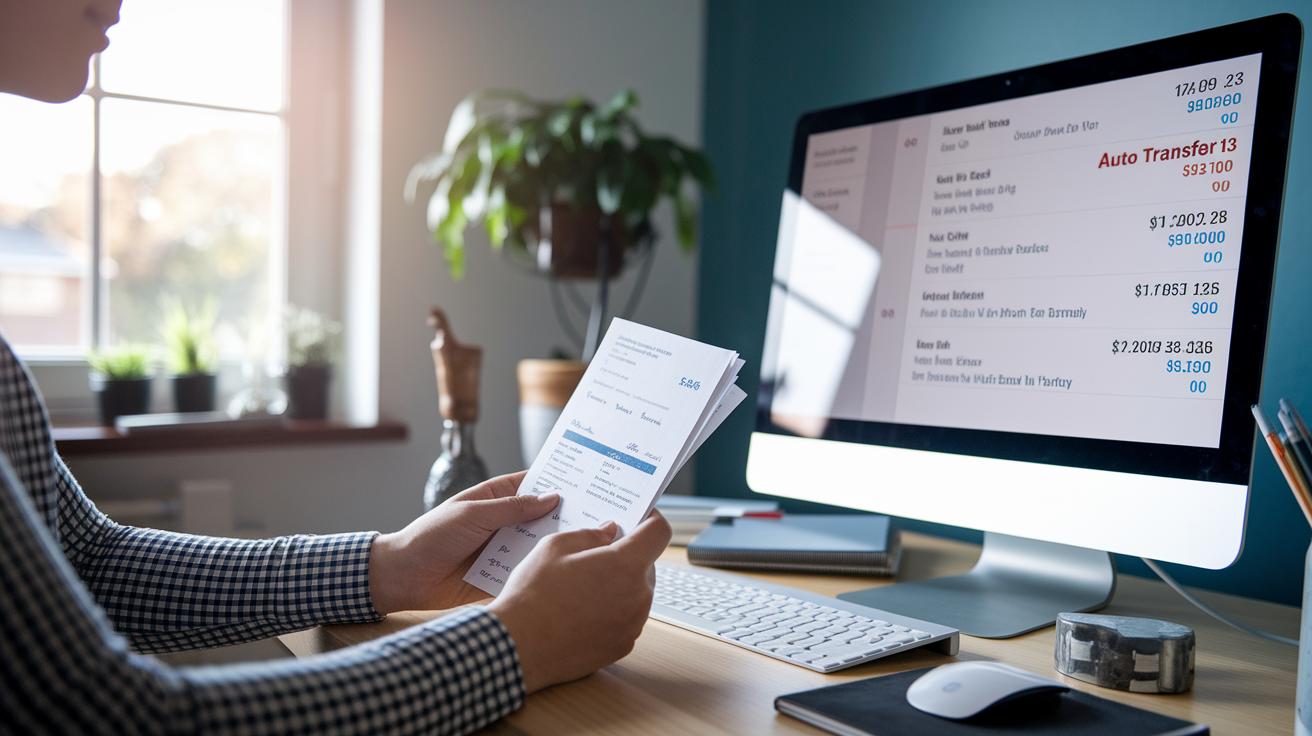
Start by transferring a small, manageable portion of your paycheck, about 5%, right after payday. For example, if you earn $2,000 a month, set up an automatic transfer of $100 as soon as you get paid. This simple step helps you save consistently before you have a chance to spend your money.
Next, take advantage of round-up features offered by many banks. Every time you make a purchase, round the amount up to the nearest dollar and save the extra change automatically. For instance, if you spend $4.75, the extra 25 cents saved with each transaction can quickly add up over time.
Finally, revisit your savings plan every quarter to ensure it still aligns with your financial goals. Adjust your transfer amounts and settings as needed, and watch out for potential issues like overdrafts if your checking account balance is low. Keeping a close eye on your plan will help you steadily grow your financial cushion.
Your next step: Set up your automatic transfers today and review your plan in three months to make sure it’s working for you.
Troubleshooting Common Issues with Automatic Savings Transfers
If your automatic transfer goes through when there aren’t enough funds, you might face overdraft fees ranging from $25 to $35. Also, many banks limit transfers to six per month under Reg D. Exceeding that limit can block transfers or lead to extra charges. Your next step: Check your checking balance regularly to dodge these fees.
Changing jobs or updating your direct deposit form can sometimes mix things up. Make sure your savings account still receives your funds. If your paperwork is off or not complete, it may take several pay cycles before the transfer works correctly. Keeping your account details updated helps your transfers run without a hitch.
If problems continue, call your bank’s customer support immediately. Ask them how to adjust transfer amounts or pause withdrawals until your balance is stable. They can also share tips to prevent future issues. Your next step: Look over your account alerts and think about keeping a small buffer in your checking account for extra security.
Choosing the Right Automatic Savings Account Provider

When choosing an automatic savings account, know that providers mainly come in three types: credit unions, digital banks, and fintech apps. For example, credit unions like Service Credit Union let you start a Primary Savings account with as little as $5, which is great if you’re just starting out. Digital banks offer high-yield savings options with APYs between 0.50% and 0.80%, so your money can grow faster. Fintech apps make saving almost automatic by rounding up your purchases and saving the extra change.
When comparing these options, focus on a few key points. First, check for fees, look for accounts with no monthly fees or ones that waive fees if you keep a minimum balance. Next, compare the APY; higher rates mean your money adds up more quickly. Also, pick an account with a simple mobile app so you can quickly see your deposits and adjust settings when needed. Make sure the account has solid security measures, like multi-factor authentication, to keep your money and personal info safe. Finally, consider the quality of customer support when you need help.
Your next step: Match the account’s strengths with your own financial habits and goals. If you prefer a hands-off approach, a fintech app with round-up features might be best. If you value personal service, consider a local credit union. And if your goal is to grow your savings faster, a digital bank with competitive interest rates is a smart choice.
Final Words
In the action, this guide showed how an automatic savings account pulls money from your checking without extra effort, building savings and fostering good habits.
We outlined setup steps, compared options, and shared tips to adjust your plan. Each section serves as a quick reference to keep you on track.
Take these clear steps and set up your automatic savings account today. Every small move makes financial progress feel real and keeps you prepared for what comes next.
FAQ
What is an automatic savings account?
The automatic savings account is a type of account where scheduled transfers automatically move funds from your checking to your savings. This method helps you build a financial cushion without having to remember to save.
How do Wells Fargo, Capital One, and Chase help with automatic savings?
Wells Fargo, Capital One, and Chase offer features like scheduled transfers or round-up savings. These tools take small amounts from your spending account and add them to your savings, making saving easier and more consistent.
What is a high-yield savings account?
A high-yield savings account earns higher interest compared to a traditional savings account. It allows your money to grow faster while still offering the simplicity of saving without complicated rules.
How does an automatic savings app work?
An automatic savings app links to your bank account and triggers transfers based on set rules, such as rounding up purchases or moving funds on specific days. It builds your savings effortlessly and consistently.
What is the best automatic savings account?
The best automatic savings account depends on factors like fees, interest rates, and app features. Reviews and user insights from communities can help guide your choice based on what fits your personal money goals.
How much will $10,000 make in a high-yield savings account?
In a high-yield savings account, $10,000 earns interest based on the annual rate. For example, at 1% APY you’d earn roughly $100 in a year, though exact numbers vary by rate and account specifics.
How can I save $10,000 in 3 months?
Saving $10,000 in three months means planning a strict budget and scheduling frequent transfers from your paycheck. This requires disciplined spending and possibly increasing your income or reducing expenses significantly.
Which bank offers 7% interest on savings accounts monthly?
No bank offers a genuine 7% monthly interest on savings accounts. Most banks provide annual rates that are much lower, so be cautious of any offer with unusually high returns.