


Ever wonder if a few small changes could free up extra cash? When your budget feels tight, even tiny tweaks in your daily spending can make a big difference. For example, you might catch a $20 streaming fee you never use or choose to pay with cash for everyday items. Our guide shows clear, practical steps such as checking your subscriptions, writing down each expense, and setting small savings goals. Try these moves today to take control of your money and enjoy real, tangible results.
Proven Approaches to Save Money When Your Budget Is Tight
When money is tight, every little bit counts. Start by checking your spending to spot any hidden fees, like an unnoticed $20 streaming charge that could be trimmed.
Tracking your spending is a smart move. Paying with cash for small purchases can make you feel each dollar leaving your wallet. Review your expenses for one month to see where your money goes. This helps you make better choices and stick to your budget.
Try these simple steps:
- Use cash envelopes to control spending.
- Review monthly subscriptions and cancel ones you rarely use.
- Write down every expense for one month.
- Set a weekly savings goal, start with $5.
- Automate transfers to your savings account.
- Plan meals ahead to avoid impulse grocery buys.
- Use a budget tool so every dollar has a job.
- Celebrate each small win to stay motivated.
Pick one or two steps today. As you begin to see your savings grow, these small changes can lead to big, long-term gains. Your next step? Try one of these tactics right now.
Chopping Household Expenses with Simple Adjustments

When money is tight, even small tweaks at home can add up. Simple changes can lower your bills and boost your savings quickly. Try turning little habits into savings by cutting waste and even earning a bit of extra cash.
One easy tip is to save energy. Plug your electronics into power strips so you can easily cut power when they’re not in use. Switch to LED bulbs, wash clothes in cold water, and opt for ENERGY STAR appliances. Even swapping one bulb can save you a few dollars a month.
Next, check your home's insulation. Use affordable heat tape or foam insulation (around $20) on pipes, and seal drafts around doors and windows to keep your home comfortable. This trick helps reduce your heating bill during chilly months.
Finally, clear out unused items to turn clutter into cash. Rent an unused room, sell things you no longer need, or repurpose items you have lying around. This not only simplifies your space but also lightens your budget load.
Your next step: Pick one change today and see how much you can save this month.
Affordable Grocery and Meal Planning for Tight Budgets
Meal planning takes the stress out of grocery shopping while saving you money and cutting down on food waste. By planning your meals ahead of time, you avoid impulse buys and keep your spending in check. Plus, a solid plan helps you work with a shopping list, easily compare prices, and make the most of what you buy.
-
Create a weekly meal schedule. Write down your dinners, lunches, and even breakfast ideas. This way, you know exactly what to cook each day. Try this: set aside 10 minutes once a week to map out your meals and stick to your list.
-
Pick generic brands. They usually cost less than the big names and work just as well. Compare ingredients and prices at the store to make sure you're getting a good deal.
-
Use price-matching strategies. Many large grocery stores will match a lower price from a competitor. Ask about price matching whenever you see a better deal, the savings can add up.
-
Buy in bulk with membership programs. Stores like Costco or Sam’s Club offer lower prices on staple items when you buy larger amounts. This keeps your pantry filled and cuts down on frequent shopping trips.
-
Practice batch cooking. Make meals in large batches and portion them out for the week. This method saves time, lowers the cost per serving, and helps reduce waste.
Remember to keep an updated inventory of your pantry. This way, you always know what you have and avoid buying things you don’t need as you plan your next meal.
Low-Cost Transportation and Commute Savings
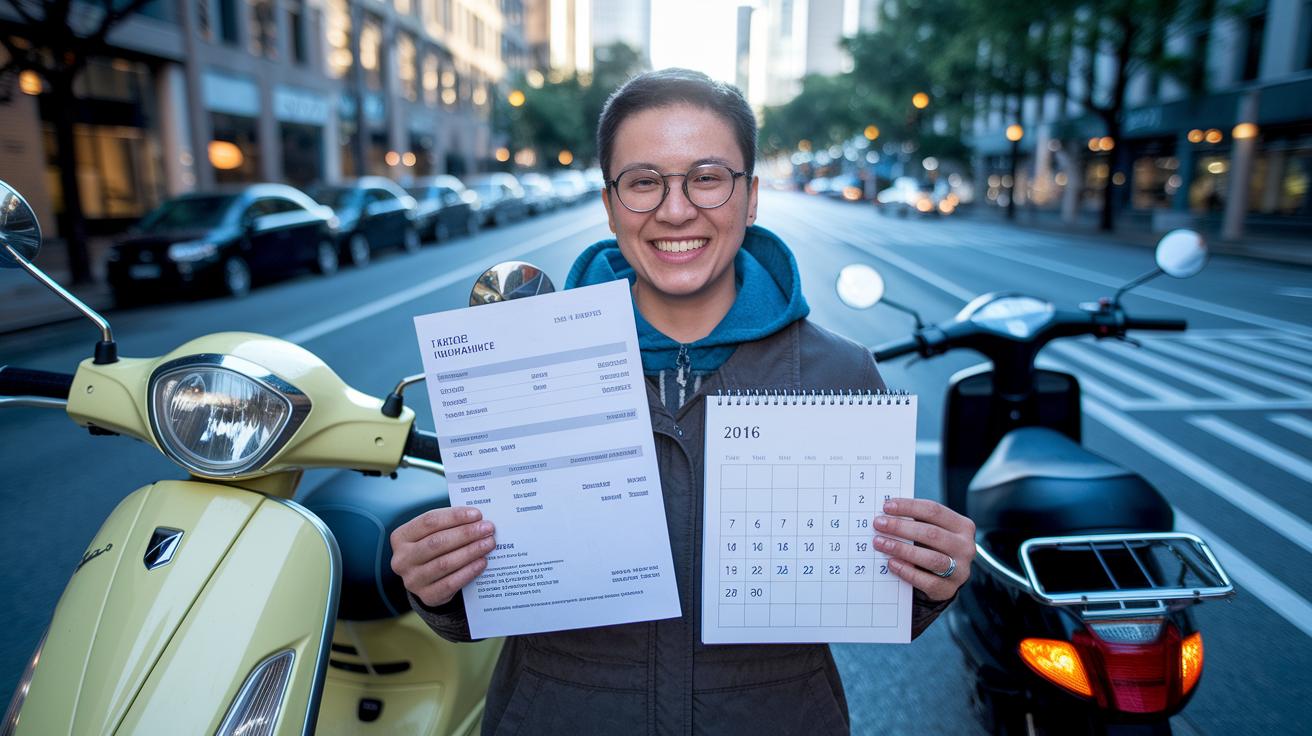
Tightening your budget means every penny counts, even when you get around. Small changes in your travel habits can lead to big savings over time. Start by checking your car insurance each year. A yearly review might uncover a better rate and save you money.
Plan your trips ahead. Combine errands into one go to cut down on fuel use and car wear. For shorter journeys, think about walking or biking. Not only will this lower your costs, but it also gives you a bit of extra activity.
You can also save by riding a shuttle or carpooling with friends or coworkers. And don’t forget to use your smartphone, apps can help you find the cheapest gas prices along your route.
- Review your auto insurance annually for a better rate.
- Group your errands into one trip to save fuel.
- Walk, bike, join a shuttle, or carpool for short trips.
- Use apps to locate the lowest gas prices.
Remember to factor transport costs into your monthly budget. Try planning one of your next trips with these tips and see the savings add up!
Budget-Friendly Entertainment and Recreation Options
Enjoyable activities not only lift your spirits but also help you recharge, even on a tight budget. You can have fun without spending a lot if you pick affordable ways to treat yourself.
Try this: Look for matinee movie times or kids-eat-free nights at local restaurants. These deals let you catch a film or have a meal for much less.
Another smart move is to check out museums or zoos on days when admission is lower. Many libraries even offer free passes for cultural outings, giving you a chance to learn and explore without any extra cost.
Group discounts can also be a lifesaver. Use discount platforms for events that let you share the fun with friends, all while saving money.
And don’t forget streaming services. Sharing accounts and checking your usage can lower those monthly bills, leaving you a bit more cash for your next outing.
Your next step: Pick one of these tips today, maybe start with a discounted movie showing, and enjoy a little guilt-free fun while keeping your savings on track.
Essential Budgeting Methods and Expense Tracking Tools

Tracking every expense for a month can show you exactly where your money is going. This simple step helps uncover leaks in your budget and gives you a clear look at your spending habits. There are several ways to build a solid budget. For example, zero-based budgeting gives every dollar a purpose (learn more in our zero-based budgeting guide). Other options, like using cash envelopes or digital apps, let you choose a method that fits your lifestyle. Budget templates can also guide you to set targets and check your progress.
| Method/Tool | Key Features | Cost |
|---|---|---|
| Zero-based | Every dollar gets a job; covers full expense allocation | Free |
| Envelope | Uses cash envelopes for clear spending limits | Minimal |
| App1 | Real-time tracking with detailed category controls | Free with premium upgrades |
| App2 | Digital envelope system with automated reminders | Free or low-cost |
| Template | Preformatted layout for income, expenses, and targets | Free |
Pick the approach that best matches your habits and tech comfort. If you like a plan with lots of details, try zero-based budgeting. If you prefer a hands-on method, the envelope system might be perfect. Digital tools offer more flexibility too. Test out these methods and track your spending. Then adjust your plan until you find a system that helps you manage your money effectively.
Smart Bill Management and Subscription Optimization
Recurring bills can quietly drain your budget if they go unchecked. While monthly subscriptions seem handy, they can add extra costs that hurt your finances. By taking a closer look at these charges, you can find ways to save money. Simple changes like canceling services you hardly use, asking for a discount, or joining a loyalty club can give you extra cash for things that matter.
- Every three months, review all your subscriptions. Cancel or switch to a lower-cost option for services you rarely use.
- Call your internet, phone, or insurance provider and ask if any special rates or discounts are available.
- Join loyalty programs from your favorite stores or restaurants to earn rewards and special deals.
Set a reminder to check your accounts regularly. This ensures your subscriptions still match your budget and current needs.
Building an Emergency Fund and Handling Debt on Low Income
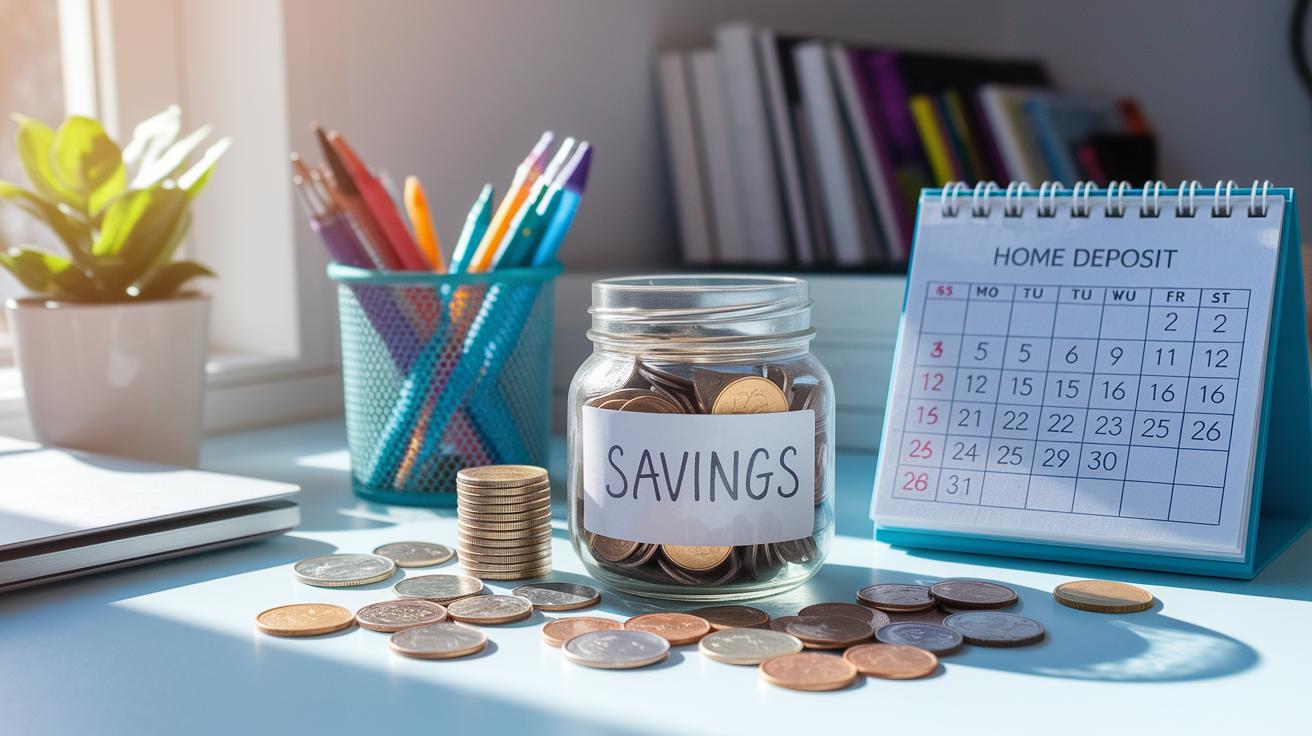
Even small savings, like $5 each week, can help you build a buffer equal to three to six months of expenses. Start with small amounts and let your savings grow step by step. Even if it feels slow, every deposit builds your safety net for unexpected costs. Try tracking your progress weekly so you can see how far you’ve come and adjust your saving plan as your income changes.
If debt is causing you stress, there are help options available. Many low-income households, veterans, and first responders have access to credit counseling services that offer advice made just for them. There are also income-based plans for student loans and other payments. These options can ease your stress and give you a clearer path to financial recovery.
Try these three steps to cut your debt: first, combine loans with a consolidation plan to simplify your payments; second, focus on paying down balances with the highest interest rates; and third, reach out to trusted credit counseling services for expert advice. Taking these steps now will boost your financial health and set you on the path to a more secure future.
Final Words
In the action, we covered creating a frugal mindset, tracking expenses, and making smart spending choices. We talked about tweaking household costs, planning meals carefully, reducing travel expenses, managing entertainment spending, using budget tools, streamlining bills, and building an emergency fund while cutting debt.
These methods help build lasting habits that lead to small wins and gradual progress. Keep trying simple tactics and celebrate your steps toward financial control. Discover more ways to save money on a tight budget.
FAQ
Q: What are some ways to save money on a tight budget mentioned on Reddit?
The advice from Reddit users includes tracking every expense, cutting unnecessary subscriptions, using cash envelopes, and saving small amounts regularly that build up over time.
Q: What are some clever ways to save money?
Clever money-saving methods focus on monitoring spending habits, automating savings, reducing impulse buys, and exploring free activities that stretch your dollars further while keeping your budget intact.
Q: How can I save money fast on a low income?
Fast saving on a low income means prioritizing needs, trimming nonessential spending, tracking every dollar, and setting up small automatic transfers that gradually accumulate into a noticeable fund.
Q: What are some top money-saving tips, including ways to save money at home?
Top tips include auditing subscriptions, using cash for small purchases, switching to energy-efficient appliances, meal planning to avoid waste, and finding creative ways to lower utility bills and other home expenses.
Q: What are realistic ways to save money?
Realistic saving involves tracking spending, making small daily adjustments, automating savings, and gradually cutting back on unnecessary costs—a practical approach that fits most lifestyles without drastic changes.
Q: How do beginners budget money effectively?
Beginners can start by tracking monthly income and expenses, using simple tools like spreadsheets or budget apps, and assigning every dollar a job to maintain a balanced financial plan.
Q: What is the 30-day rule for saving money?
The 30-day rule means waiting 30 days before making a nonessential purchase. This pause gives you time to evaluate if you really need the item, helping reduce impulse spending.
Q: How can I save $10,000 in 6 months?
Saving $10,000 in 6 months requires strict budgeting, cutting unnecessary expenses, boosting income when possible, and consistently setting aside a specific portion of your earnings each month.
Q: What does the 50/30/20 rule mean in budgeting?
The 50/30/20 rule divides your income into 50% for essentials, 30% for discretionary spending, and 20% for savings or debt repayment, offering a balanced framework for financial planning.
Q: What is meant by the $1000 a month rule?
The $1000 a month rule suggests that if you can, setting aside $1,000 each month for savings or debt reduction helps create a disciplined approach that supports long-term financial stability.