


Feeling overwhelmed by bills? You have options. You might work with your creditors to lower what you owe or combine your loans into one easy payment. There’s also bankruptcy, a legal way to shield yourself from aggressive lenders.
Here’s your next step: read on to learn simple steps for each option and find the one that sets you on a path to a brighter financial future.
Quick Comparative Overview: Debt Reduction vs Bankruptcy
Debt reduction gives you options like debt settlement and consolidation to lower your bills. With debt settlement, you work with your creditors to agree on a smaller, one-time payment that settles what you owe and closes your account without going to court. For more details, check out this guide on how debt relief works. Debt consolidation, in simple terms, means combining several high-interest debts into one account, like a single loan or balance transfer card. This option usually comes with interest rates from 4.99% to 35.99% APR and offers repayment terms between 12 and 120 months.
Bankruptcy is a legal process managed by the court for those dealing with serious debt problems. There are two main types. Chapter 7 involves selling non-essential assets to wipe out many unsecured debts, while Chapter 13 sets up a structured repayment plan that lasts three to five years. Bankruptcy gives you a shield from creditor actions, but it can hurt your credit score for 7 to 10 years, and it often takes extra time to fully recover.
| Option | Process | Credit Impact | Timeline |
|---|---|---|---|
| Debt Settlement | Negotiate a lower lump-sum payment | Moderate to severe | 6–24 months |
| Debt Consolidation | Combine debts into one loan or balance transfer | Mild to moderate | 12–60 months |
| Bankruptcy (Chapters 7/13) | Legal filing with asset liquidation or structured repayment plan | Severe, 7–10 years | 3–5 years plus rebuild time |
Your next step: review your monthly budget and income to decide if you can handle negotiating a private arrangement or if you need the structured protection that bankruptcy offers. Choose the option that fits your income, debt size, and long-term credit plans.
Understanding Non-Bankruptcy Debt Reduction Solutions

You can reduce your debt without filing for bankruptcy by using private methods. These solutions let you settle your unsecured bills without going to court. They work best if you have a steady income and a decent credit score.
Debt settlement means talking directly with your creditors to lower your overall balance. You might pay a lump sum or set up a payment plan to cut down what you owe. This tactic is best for big unsecured debts like credit cards or medical bills, especially when creditors are willing to work with you.
Debt consolidation combines multiple high-interest debts into one monthly payment. For instance, you can use a balance transfer credit card offering 0% APR for 12 to 21 months, or opt for a personal loan with rates from 4.99% to 35.99% for up to 10 years. This makes managing your debt easier when you have steady income and meet credit requirements.
Home equity solutions let you use the value of your home to tackle debt. With a home equity loan, you get a fixed lump sum that you repay over 5 to 30 years. Alternatively, a HELOC lets you borrow as needed during a draw period (up to 10 years) and then repay over up to 20 years. These options work well for homeowners with enough equity who need predictable payments.
Try this: Review your debts today and see which option fits your situation.
Debt Reduction vs Bankruptcy: Bright Future Ahead
Some people choose bankruptcy because it quickly stops creditor calls, wage garnishments, and foreclosures. The automatic stay gives you a break while you work on getting your finances back on track.
Chapter 7 Details
Chapter 7 lets a court trustee review your finances and sell non-exempt assets to pay off most unsecured debts, like credit card bills and medical expenses. You must pass a means test comparing your income to the state median, so only those in real need qualify. The process takes about 4–6 months. If you have limited income and few assets, this can be a fast way to clear burdensome debts and rebuild your credit.
Chapter 13 Details
Chapter 13 sets up a court-approved repayment plan over 3–5 years. This option works for those who have enough extra income to make regular payments while keeping key assets, such as a home or car. Your secured debts stay unless you decide to reaffirm them, and the plan stops aggressive collection efforts, like garnishments. Once you finish the plan, any remaining unsecured debts may be discharged, giving you a fresh start and a way to rebuild your credit over time.
Weighing Pros and Cons of Debt Reduction vs Bankruptcy
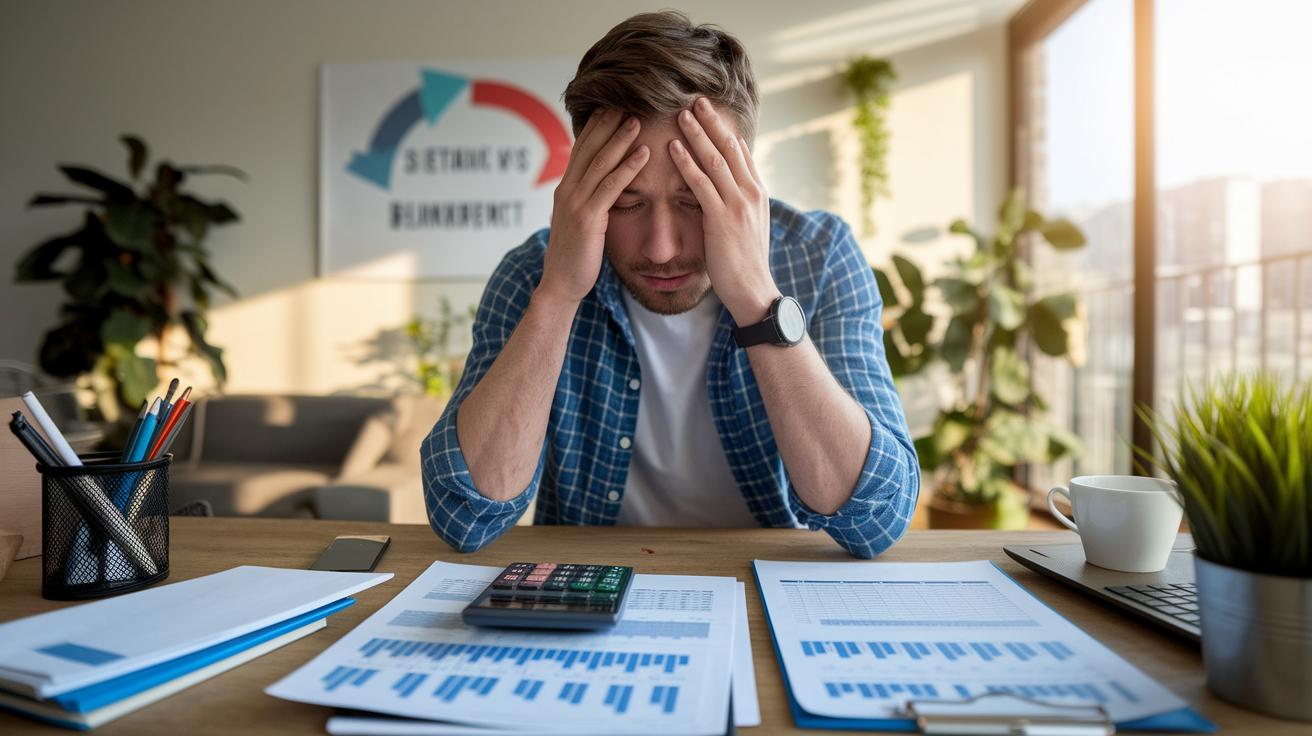
Think about your choices by balancing the need for quick relief with long-term credit health. Debt reduction means working with your creditors to lower what you owe through settlements or consolidation. For instance, Mark, a freelancer, had $15,000 in debt. He worked out a plan that made his monthly payments more affordable and left his credit options open. On the other hand, bankruptcy stops collection calls and can erase many debts fast. But it also stays on your credit record for 7 to 10 years and might force the sale of some assets.
| Option | Pros | Cons |
|---|---|---|
| Debt Reduction | Quick relief, lower fees, flexible negotiations | Can hurt your credit score and may require delayed payments |
| Bankruptcy | Stops collection calls and can clear many debts at once | Long-term credit impact, higher fees, possible loss of assets |
Decide if you need fast financial breathing room or want to protect your ability to borrow later. Try this: List all your debts, note their monthly costs, and compare how each option would affect your payments and credit options.
Credit Score Impact and Post-Relief Recovery
Filing for bankruptcy quickly lowers your credit score. Bankruptcy tells lenders you’re unable to keep up with payments, and your score can stay low for 7 to 10 years. The effects can last a long time, so rebuilding your credit is a slow process. Often, once your debts are discharged or restructured, lenders see you as high risk, making it harder to borrow money right away.
Other debt options, like debt settlement and consolidation, affect your score in different ways. When you settle your debt, your score might drop if you pause payments during negotiations. But once those accounts are settled and closed, your score can recover faster. If you consolidate your debt, opening a new account may cause a small short-term dip, but making on-time payments every month will help improve your credit over time.
Try these three steps to rebuild your credit: First, use a secured credit card to show you can borrow responsibly. Second, take out a small installment loan and pay it off on time. Third, always pay your bills when they’re due. These actions set a strong foundation for a healthier credit history.
Rebuilding your credit takes time and steady, responsible habits. Stick with it, and you'll see gradual improvement in your score.
Eligibility, Costs, and Legal Implications for Debt Solutions

When you consider debt settlement, you need to check a few main things. Generally, companies charge about 15–20% of your debt. Success depends on your ability to make a lump-sum payment and whether creditors are ready to negotiate. First, look at your financial situation, do you have steady income and enough savings for a large upfront payment? This approach works best if you have only a few unsecured debts, like credit cards or medical bills.
Bankruptcy has its own fees. For example, filing for Chapter 7 costs around $338, and lawyer fees might run between $1,000 and $3,000. Chapter 13 comes with extra trustee fees and a repayment plan that spans 3–5 years. These fees can add up, so compare them with your total debt and the protection that bankruptcy offers.
You also need to meet legal requirements. In Chapter 7, a means test compares your household income to the state median. Chapter 13 requires you to have stable extra income to cover payments over time. A good next step is to see a debt resolution attorney. They can check your records, help with the filing, and guide you through what you need to do.
Try this: Schedule a consultation with a debt resolution attorney to get a plan that fits your situation and clear up any questions about costs and eligibility.
debt reduction vs bankruptcy: Bright Future Ahead
Case Study: Homeowner's Debt Settlement
A homeowner had a heavy $20,000 credit card bill. By talking with their creditors, they agreed to settle for $14,000 in 18 months. This approach helped them avoid filing for bankruptcy and the long-term toll it takes on credit scores. They did pay a 15% service fee, but the plan was clear and gave them fast relief. One homeowner said, "It felt like a second chance, I moved forward without carrying a bankruptcy mark on my record."
Case Study: Small-Business Owner's Chapter 13 Plan
A small-business owner was overwhelmed by $50,000 in debt. They filed for Chapter 13 bankruptcy and set up a five-year plan to repay it. This plan helped them keep important assets like their business property and equipment. Even though their credit score dropped by 9 points, the process stopped wage garnishments and aggressive collection efforts. This court-guided plan provided needed protection and stability during tough times.
Before you decide on your approach, ask yourself:
- Can you manage the regular payments required?
- Will you still qualify for new credit if needed?
- Are wage garnishments or judgments already hurting your finances?
- Does the long-term credit impact match your financial goals?
If you face tough debt issues, consider reaching out to a debt resolution specialist or an attorney. Their advice can help you figure out if private negotiations or a bankruptcy filing suits your needs best. Try this: get in touch with a financial advisor today to start mapping out your clear next steps.
Final Words
In the action, you learned how debt reduction versus bankruptcy compares. We broke down options like debt settlement, consolidation, and legal filings in easy steps. Each method has its own impact on credit, costs, and timelines. Your next step is to compare what works best for your situation and start with a simple plan. Use these insights to set clear, practical goals that build your financial stability. Remember, every step forward counts in reducing debt reduction vs bankruptcy impacts.
FAQ
Online discussions compare debt settlement as negotiating a lower debt balance with creditors versus bankruptcy, which is a legal process that wipes out debts but leaves a long-lasting mark on your credit.
Debt relief offers quicker resolution and avoids court processes yet may hurt your credit score, while bankruptcy legally stops creditor actions but stays on your credit report for many years.
Debt relief involves private creditor negotiations for a reduced balance, whereas Chapter 7 is a court-administered process that liquidates assets to discharge debts and usually has a more severe credit impact.
Debt settlement negotiates a lump-sum, reduced payment outside court, while Chapter 13 creates a structured, court-approved repayment plan spread over three to five years, offering legal protection with extended credit effects.
Debt relief programs work to lower your overall debt through negotiations or consolidations, while debt management programs combine multiple debts into a single monthly payment that creditors approve.
Freedom Debt Relief and National Debt Relief are firms that work with creditors to lower the total amount you owe, typically charging fees calculated as a percentage of the enrolled debt.
Filing bankruptcy provides a legal fresh start by discharging debts but significantly harms your credit, while debt consolidation combines debts into one manageable payment and may protect your credit if you qualify.
Considering bankruptcy for $20,000 in debt depends on your income, available assets, and if other alternatives like debt consolidation or settlement might offer a less drastic solution for your financial situation.
Paying off debt keeps your credit healthier and avoids legal fees when you can meet payment schedules, though bankruptcy might be the right choice if your debt load becomes unmanageable and creditor actions are stopping you.