


Quick win: Build your savings with small, smart moves.
Have you ever noticed that a few extra dollars here and there can turn into a safe cushion over time? Even tiny actions, like setting up an automatic transfer or putting spare change aside, can help your savings grow right away. Treat your money moves as simple habits, and you might see benefits in just a few days.
This guide shares easy steps to keep your spending in check while your reserve steadily grows. Your next step: Pick one idea, set up that automatic transfer or start a change jar, and give it a try today.
Immediate Gains: Simple Habits for Boosting Your Savings
Start your savings journey by opening a separate account. Use this account solely for saving money and not for daily spending. Many find that keeping funds apart makes budgeting simpler. For example, when you pass a coffee shop, consider setting aside a few extra dollars instead of using your debit card.
Next, set up an automatic transfer on every payday. This way, you "pay yourself first" by moving a small, preset amount directly from your checking to your savings account. For instance, program a $20 transfer each time your direct deposit comes in, it’s a simple, steady step toward building your reserve.
Finally, keep an eye on your loose change during daily transactions. It may seem small, but every coin counts over time. Try carrying a jar at work where you can toss in spare coins or bills you don’t need right away. This small habit can ease financial stress and steadily build your savings.
Try these steps today and adjust as needed. Watch your savings grow, one small step at a time.
Master Everyday Financial Discipline: Key Habits to Boost Your Savings

Start with small, steady changes every week. Even tiny tweaks add up if you stick to your plan. Try setting a specific day, like Sunday evening, for a quick check-in. Look over your bank account and spending to see if you're meeting your goals. Think of it as a simple financial tune-up.
Make a budget that sets clear limits for each spending area, like groceries or dining out. This way, you know exactly where your money goes. If you overspend, adjust your limits right away. This method helps you control your expenses without feeling like you're missing out.
During your weekly check, compare what you spent with what you planned. Write down any differences and decide if a small change is needed. For example, if you planned to spend $50 on meals but spent $60, look for ways to save next week. Even switching to a cheaper option can make a big difference over time.
Take a moment to review each recent purchase. Ask yourself if every buy supports your financial goals. This habit builds mindful spending and reinforces your savings plan. Try this simple strategy today and see a difference tomorrow.
Your next step: Schedule a weekly review and update your budget boundaries. Small, regular checks can lead to lasting savings and stronger financial habits.
Smart Expense Reduction: Spending Habits to Boost Your Savings
Looking to save more money without overhauling your lifestyle? You can start by making a few small changes that add up fast.
Switch to store brands. Generic products often offer the same quality as name brands but cost less. For example, buying a store-brand cereal instead of a premium one might save you a few dollars each week.
Pack your lunch instead of grabbing food on the go. When you prepare your meal at home, you control portions and cut costs. Planning your meals on Sunday evening can set you up for a smooth week while saving you between $5 and $20 every week.
Review your subscriptions. Many services go unused or hardly offer any value. Cancel or pause subscriptions you rarely use so that you can put that extra money toward your savings.
Here’s a quick checklist to get started:
| Action Item | Benefit |
|---|---|
| Buy generic brands | Saves money on everyday items |
| Pack your lunch | Reduces weekly spending on meals |
| Cancel unused subscriptions | Frees up cash for savings |
Each change can save you around $5–$20 a week. Small savings from day-to-day decisions really add up over time.
Your next step: Review your monthly expenses right now and choose one area to adjust. Turn mindful spending into lasting savings today.
Automate Your Way: Deposit Habits to Boost Your Savings

Set up a recurring transfer from your checking account to your savings account every payday. This pay-yourself-first approach means you build your savings automatically without any extra steps.
Turn on app alerts that let you know when you reach a savings milestone. A brief message like "You've saved an extra $100 this month, great job!" boosts your motivation. Also, check your bank’s weekly summary for a clear snapshot of your progress. For example, you might see, "This week, you saved $80, steadily moving toward your goal," so you know if you need to make any adjustments.
Quick checklist:
- Schedule a recurring transfer on payday.
- Enable alerts for savings milestones.
- Review your weekly savings summary for added insight.
Try this setup today to watch your money grow while staying informed on your progress.
Build an Emergency Fund: Essential Habits to Boost Your Savings
Start by setting aside a small, fixed amount from every paycheck. For example, transfer an extra $15 each payday into a separate account just for emergencies. This small step builds up into a safety net over time.
Automate these transfers so you never have to think about it. When your bank moves the money for you, you won't be tempted to spend it. Set it up once and let your savings grow on autopilot.
Review your progress every three months. Mark your calendar for the first day of each quarter, check your balance, and adjust if you need to. If unexpected expenses have come up, consider temporarily boosting your savings.
| Action Step | Example |
|---|---|
| Mini-goal saving | Transfer $15 each payday |
| Automate transfers | Set up scheduled bank transfers |
| Quarterly check-up | Review your emergency fund every quarter |
Try putting these habits into practice today and watch your emergency fund grow steadily.
Evolve Your Strategy: Long-Term Habits to Boost Your Savings
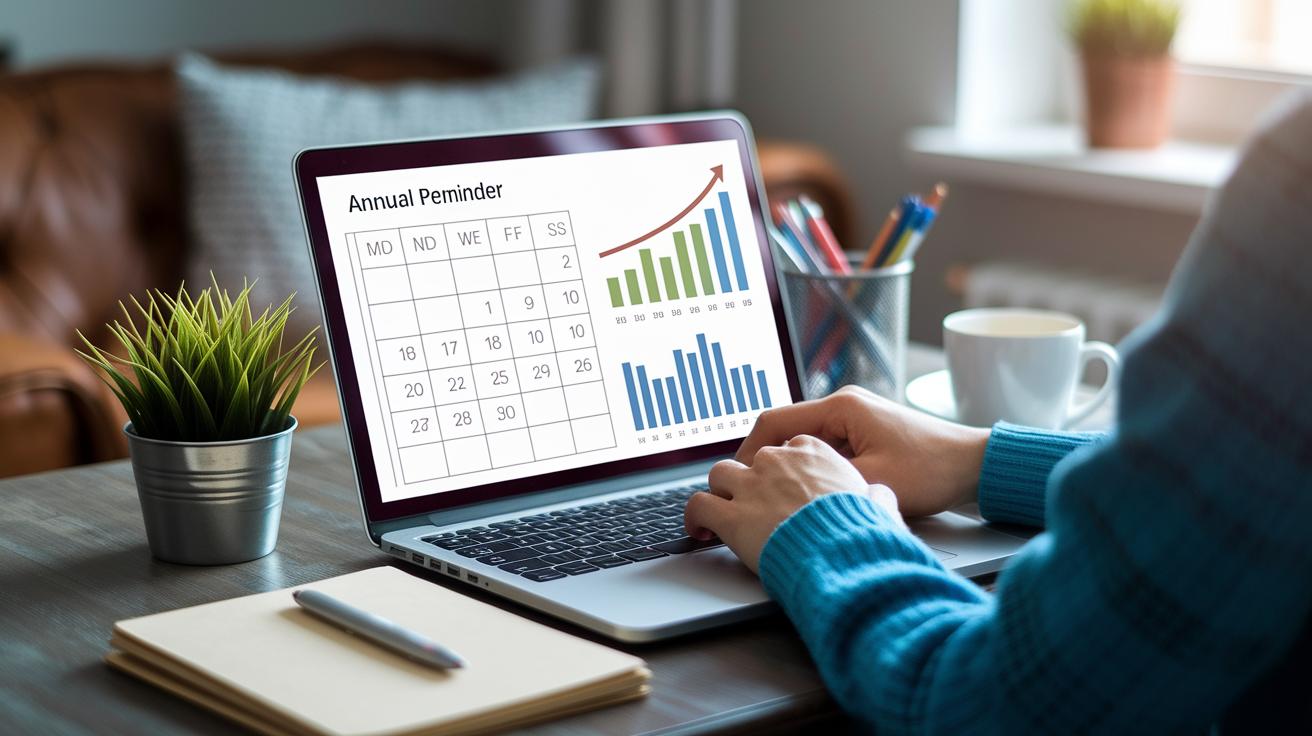
When your income grows, it's smart to review your budget each year. Set a reminder to check your income and the amount you send to savings. Then, adjust your contributions when you earn more. This simple review helps you meet your long-term goals.
Try this: At your next annual check-up, update your automatic savings transfers.
Another easy way to boost your savings is to look for accounts that pay more. For example, consider shifting some of your money into a money market account. These accounts often offer better returns than a standard savings account, but they may have limits on how often you withdraw money or require a minimum balance. Check with your bank and decide if the potential gains are worth the restrictions.
Also, whenever you get a raise or extra income, commit a set percentage of it to your savings. Even small changes can add up over time. Increasing your automatic transfers means your savings will grow along with your income.
Take a few minutes each year to review your spending, saving, and investment choices. Use this quick checklist:
| Action | Step |
|---|---|
| Income Review | Check any increase in annual income |
| Savings Update | Adjust the percentage automatically transferred |
| Account Comparison | Look into options like money market accounts for higher yields |
This regular review keeps your savings plan evolving with your lifestyle. Next time you do your yearly check, make a plan to adjust your savings. This step-by-step approach keeps you on track and gets more out of every dollar you save.
Final Words
In the action, this guide shows you how to begin saving with simple, actionable steps. The article covered immediate gains like opening a dedicated savings account and automating transfers, along with everyday tactics such as weekly check-ins and smart expense cuts.
We also highlighted building an emergency fund and evolving your strategy as your income grows. Keep these simple habits for boosting your savings in mind as you move forward. Stay positive and take your next step today.
FAQ
What are some clever ways and practical tips to save money?
The clever ways to save money combine habits like using a dedicated savings account, automating transfers, and reducing non-essential expenses. Small steps like these add up and build lasting savings habits.
How can I save money fast on a low income and from my salary?
Saving money fast on a low income means paying yourself first. Direct a small portion of your salary into savings automatically, track expenses, and cut back on low-use services to free up cash quickly.
What benefits come from saving money?
Saving money builds a strong financial cushion that reduces stress during emergencies, offers flexibility for future investments, and improves your budgeting skills while opening new opportunities for financial growth.
What money management tips should beginners follow?
Money management for beginners involves tracking every expense, setting clear, small goals, automating savings, and taking a weekly review of your finances. These steps create simple routines that lead to long-term progress.