


Ever feel weighed down by higher bills and constant spending? Building better money habits can help you break the cycle and boost your confidence. When you plan your spending and track your cash, you're setting yourself up to handle everyday expenses and work toward bigger dreams. This guide outlines six simple steps to ease stress and give you more control over your future. Start with one small change, and soon you'll be making decisions that build a path to lasting financial security. Ready to make your money work smarter? Try these steps today.
Actionable Steps for Establishing Better Money Habits
Good money habits can lower your stress and help you reach your goals faster. When you plan your spending and track your cash, you build a clear plan that makes you feel confident every day. This approach helps you cover day-to-day needs and work toward long-term dreams.
Try these six practical steps:
- Create a budget. Write down your income and list every monthly expense to see where you can save a little. This will guide each dollar with a clear purpose.
- Track your expenses. Use a simple money app or a written log to record spending. Checking your spending reports, or using a free Spending Analyzer tool, gives you a good picture of your habits.
- Tackle your debts. List all your debts and focus first on the ones with the highest interest. Paying more on high-interest debt can save you money over time.
- Delay non-essential buys. When you feel the urge to purchase something unnecessary, try waiting another day or two. This small pause can help cut down impulse spending.
- Automate your savings. Set up automatic transfers to a separate account each payday. This “pay yourself first” method builds a cushion and sets you up for future investments.
- Monitor your credit. Regularly check your reports and scores. Tools like the free Savings Goal can help you set clear targets and track your progress.
Your next step: Pick one of these actions and try it today. Even one small change can lead to more control over your finances and more peace of mind.
Crafting a Budget to Reinforce Better Money Habits

A monthly budget gives you clear steps to manage your money. With zero-based budgeting, you assign every dollar a role, whether for bills, fun, or savings. This approach helps cover your needs while still leaving room for a little extra enjoyment. For more details, check out the zero-based budgeting guide.
| Category | Percentage | Purpose |
|---|---|---|
| Necessities | 50% | Cover essentials like rent, utilities, and groceries |
| Wants | 30% | Enjoy dining out or other fun activities |
| Savings/Debt | 20% | Boost savings or pay down high-interest debt |
Review your budget each month to stay on track. Look for spending trends and adjust your plan as needed. Try an envelope system or a simple finance app to catch small overruns before they add up. Update your budget with any changes in your expenses or priorities. This way, every dollar works hard for you and brings you closer to your goals.
Tracking Daily Expenses to Sustain Better Money Habits
Record every purchase as it happens. Even a quick coffee run matters, so jot it down in a notebook or add it to your finance app right away. This habit keeps you aware of your spending and helps you catch unnecessary expenses quickly.
Set up daily logs with reminders to note your expenses. Try a free tool like Spending Analyzer to break down your costs into clear categories and get easy-to-read reports. Do a quick budget review each week to spot any overspending early. This routine helps you adjust your habits and strengthen your overall financial discipline.
Your next step: Start today by choosing a simple app or journal to track your spending for one week and see the difference it makes.
Deploying Smart Saving Techniques for Better Money Habits
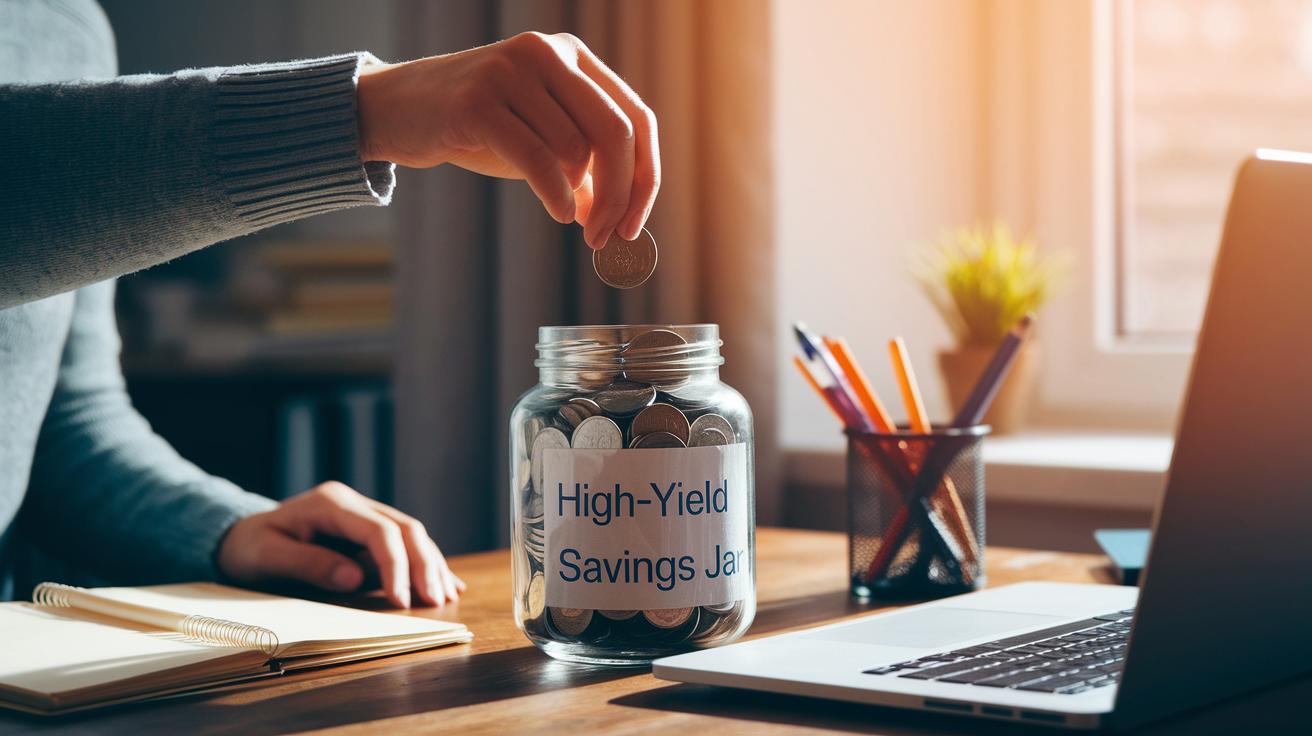
Put yourself first by saving right away. As soon as you get paid, set up an automatic transfer to your high-yield savings account. This pay-yourself-first habit means you save automatically before spending on anything else.
Next, work on building an emergency fund that can cover three to six months of expenses. Try using tools like round-up apps, which save small amounts from everyday purchases, or set a fixed transfer each cycle. Aim to save at least 20% of your income. Pick the method that fits your life best. Once your transfers are set up, your savings grow on autopilot, giving you more peace of mind.
Keep track of your progress by checking your savings each month. Use a simple spreadsheet or another tracking tool to see how close you are to your goal. A regular look at your growing balance can boost your motivation.
Your next step: Set up that automatic transfer today and schedule a monthly check-in on your savings progress.
Implementing Debt Reduction Tactics to Support Better Money Habits
A solid debt reduction plan speeds up paying off your balances and helps boost your credit. It clears up confusion so you can focus on the debts with the highest interest and gradually lower what you owe.
- Choose your approach: Try the avalanche method to tackle high-interest balances first or the snowball method to build momentum with smaller debts.
- Set up extra payments: When extra cash comes in, arrange automatic transfers. This simple step helps steadily reduce your debt.
- Renegotiate your terms: Call your lenders to ask if you can lower your interest rates or fees. This can cut the overall cost of your debt.
- Use consolidation tools: Look into debt management apps that combine your debts into one clear plan with set dates for payoff.
Every payment you make not only drops your interest costs but also strengthens your credit score. Lower debt means you can use extra cash for daily needs or to boost your savings.
Your next step: Pick a method from the list above and set up one extra payment today to start chipping away at your debt.
Monitoring and Maintaining Credit Health for Better Money Habits
Quick win: Check your free annual credit report today.
Keeping an eye on your credit is key to a secure financial future. When you review your score regularly, you can catch mistakes or signs of fraud early and take action fast.
Follow these simple steps to boost your credit score now:
- Keep your credit card balance under 30% by avoiding overspending and paying off your balance each month.
- Always pay your bills on time to dodge late fees and build a solid payment history.
- Use a mix of credit types, like a credit card and a small loan, so lenders know you can manage different kinds of credit responsibly.
Protect your identity by using strong passwords and setting up fraud alerts. Regularly checking your credit report and signing up for quick digital notifications can help you spot suspicious activity early.
Your next step: Set a monthly reminder to review your credit report to keep your score healthy and secure your financial future.
Cultivating Fiscal Discipline for Long-Term Better Money Habits
When you shift your view on spending, you reshape your financial future. Think of every dollar as a deposit into your future self’s bank account. This simple change turns saving into a must-do habit. Bring your family into money talks and hold a weekly budget meeting. Discuss your recent spending and set clear, frugal goals. For example, plan meals ahead of time and compare store prices to keep costs low. These everyday actions reduce waste and help everyone stay focused on your money priorities.
Try this: Wait 24 hours before buying something on impulse. Set reminders to stick to your savings targets. Regularly check a trusted finance newsletter and review your financial plan each week. Even small changes can build steady savings and clearer spending choices. Every day is a chance to build lasting financial discipline, so start with one small step today.
Your next step: Grab a simple budget template, list your expenses for the week, and set one small savings target for the next 7 days.
Final Words
In the action: this post laid out practical steps to improve your financial well-being. We covered building a budget, tracking daily expenses, automating savings, reducing debt, keeping an eye on credit, and reshaping your spending mindset.
The steps are clear and easy to start today with our free tools like the Spending Analyzer. Pick one area to work on this week to build better money habits and see real progress. Enjoy the satisfaction of watching your financial confidence grow as you take these steps forward.