


Saving money isn’t just for a lucky few. Everyday choices can add up to big savings. In this guide, we share simple steps to help you track your spending, save a little bit regularly, and manage debt wisely.
Imagine if small changes, like saving an extra dollar each day, could boost your bank balance over time. Ready to take control of your money? Try this: write down your top expenses and set a small savings goal for this week.
Now, let’s explore clear, practical techniques that can boost your savings and improve your financial future.
Mastering Practical Money Skills: Actionable Strategies for Better Finances
Start by boosting your everyday money skills in four key areas: budgeting, saving, spending wisely, and controlling debt. Budgeting means planning how you use your money each month. For example, if you earn $3,000, list fixed bills like rent and add variable expenses like groceries. Try this: download a printable budget worksheet, note every expense, and compare it to your income.
Saving is a must-have habit. Even small amounts, like setting aside $50 each month, can grow into a healthy nest egg. Use savings tools to see how regular contributions multiply over time. Here’s a tip: set a daily reminder to transfer a little money into your savings account, think of it as a payment to yourself.
Spending wisely means knowing the difference between needs and wants. Use a budget tracker to keep an eye on where each dollar goes. This clear view helps you make smarter spending choices every day.
Controlling debt is all about having a plan. Use a loan calculator to understand your monthly payments and decide whether the avalanche method (paying off the highest interest rate first) or the snowball method (paying off the smallest balance first) fits your situation best.
Your next step: Choose a budget tracker from the available tools and set up a simple plan today to monitor your income and expenses. Then, write down one change you can make in your spending habits and get started right away.
Practical Money Skills for Budgeting: Planning Your Income and Expenses
Zero-Based Budgeting
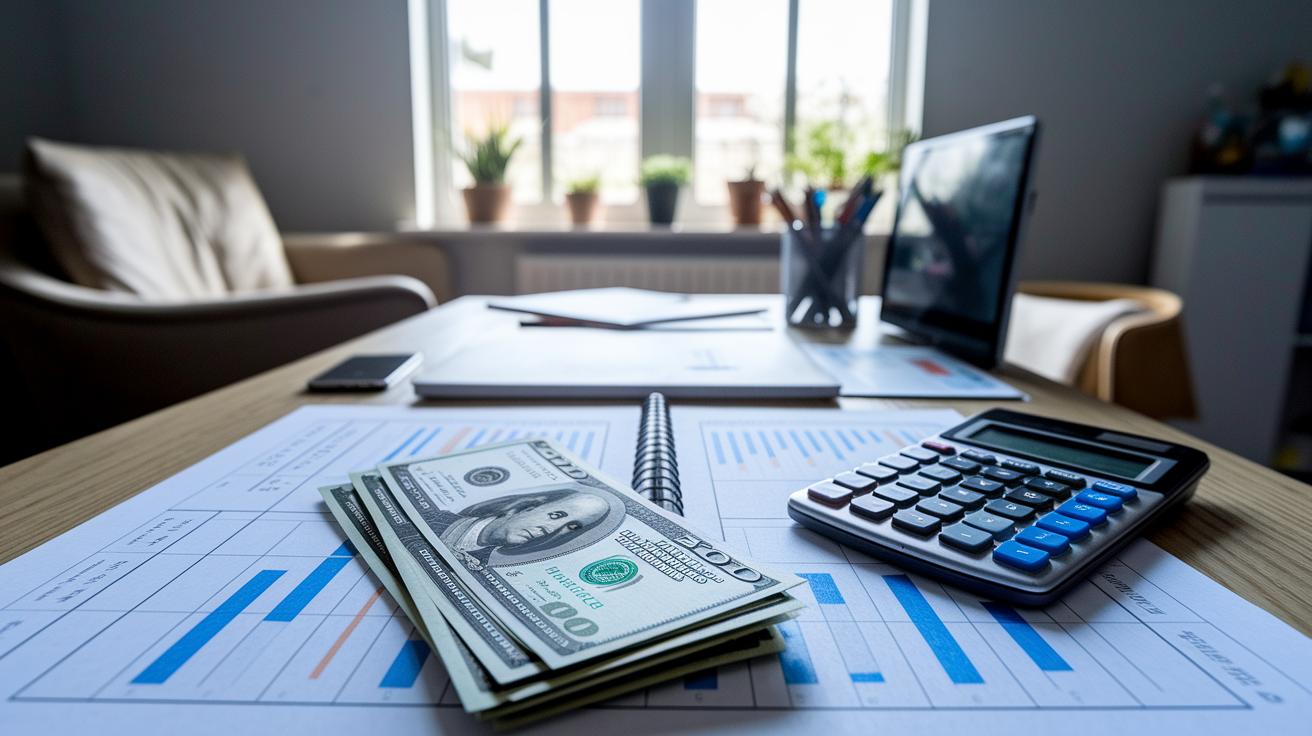
Zero-based budgeting gives every dollar a job. Start by checking your monthly take-home pay. Then list every cost you face – even the small ones. For example, if you take home $2,500, plan out how much goes to rent, groceries, and savings until every dollar is assigned. It’s like planning a road trip where every mile is mapped out, so you know exactly where your money is going.
50/30/20 Rule
The 50/30/20 rule splits your income into three clear parts. Use 50% for essentials, 30% for fun stuff, and 20% for savings or paying off debt. For instance, with a net income of $3,200, you might allocate $1,600 to needs, $960 to wants, and $640 to building your safety net. This simple method helps keep spending balanced while still planning for the future.
Envelope System
The envelope system means dividing your money into separate funds for different expenses. Decide on set amounts for items like dining, entertainment, or transportation and only spend from those funds. For example, if you set aside $300 for dining, try not to spend more than that. This tactic helps you see exactly how much you have for each category and prevents overspending.
| Budget Type | Key Features | Best For |
|---|---|---|
| Zero-Based Budgeting | Assigns every dollar a role; tracks every cost | Detail-oriented planners |
| 50/30/20 Rule | Splits income into needs, wants, and savings or debt repayment | Beginners looking for balanced spending |
| Envelope System | Uses separate funds for different spending areas to set clear limits | Anyone needing help controlling spending |
Practical Money Skills for Saving and Investing: Building Wealth Over Time
Building wealth starts by planning how you save and invest. One simple way is to set up automatic transfers from your paycheck into your savings account. For example, you could move $100 from each paycheck into savings. This habit helps you build an emergency fund and sets money aside for future investments.
Compound interest is a powerful tool. It means your money earns interest, and then that interest earns more interest. Try using the rule of 72, a quick way to see how long it takes for an investment to double. At a 6% return, 72 divided by 6 shows your money might double in about 12 years. So if you invest $1,000 today, it could become $2,000 over time.
Remember, money today is worth more than money later because it can grow. Use a compound interest calculator or a savings simulator to see how regular deposits and reinvested earnings work in your favor.
Try these steps:
- Set up automatic transfers to make saving easy.
- Build an emergency fund that covers at least a few months of expenses.
- Experiment with a compound interest calculator to see different growth scenarios.
Your next step: Pick one of these actions, start small, and watch your wealth grow.
Practical Money Skills for Credit and Debt Management: Minimizing Borrowing Costs
Calculating True Cost of Credit
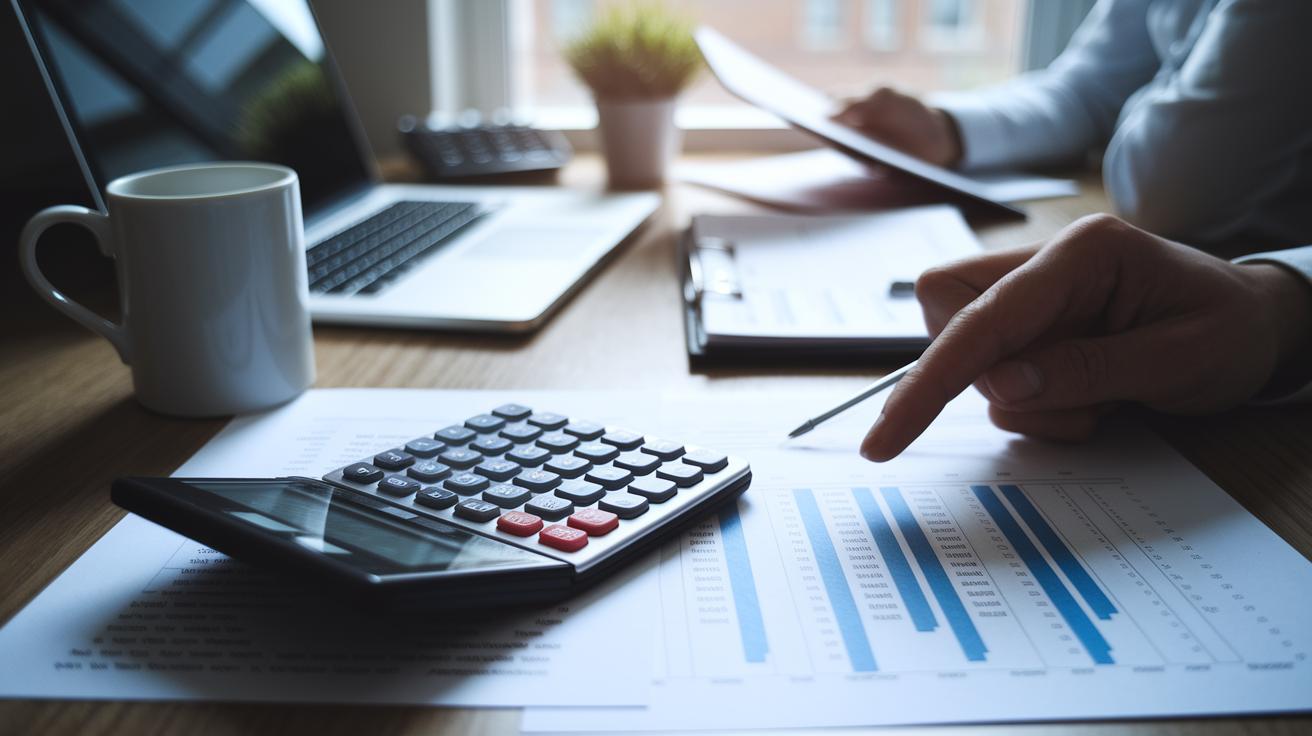
To really grasp how much credit costs, look beyond just the APR. You need to add up all fees and use the effective annual cost to see the full picture. For example, imagine you take a $10,000 auto loan for 60 months. With a 5% APR, your monthly payment will be lower than with a 7% APR. Here's what to do:
• First, convert the yearly rate to a monthly rate and apply it to your loan balance.
• Next, multiply this rate by the number of months and add any extra fees.
Try a loan calculator like the Loan Affordability Estimator to see how even small changes in APR can add up over time. This clear breakdown helps you decide if a deal is smart for you.
Strategies to Reduce and Manage Debt
Once you know the real cost of your credit, you can take simple steps to lower your debt. Two proven methods are the snowball and the avalanche approaches. The snowball method focuses on quickly clearing your smallest debts, giving you a boost, while the avalanche method targets debts with the highest interest rates to cut long-term costs.
You can also consider balance transfers to combine several debts into one lower-rate payment or call your lender to ask for a lower rate on high-interest balances. These steps give you better control over your money and help reduce borrowing costs over time.
Your next step: Use a trusted loan calculator, input your numbers, and see how small percentage differences can make a big impact.
Practical Money Skills for Tracking Spending: Tools and Techniques
Tracking your spending as it happens can really help you manage your money day-to-day. When you see where every dollar goes, you can quickly make changes to stick to your budget. Many banks now offer budget tools that automatically sort your expenses, giving you clear visuals and alerts so nothing slips by.
Digital money tracking apps make it easier to record your purchases and check them against your budget. These apps let you set spending goals, tag transactions, and give you a heads up when you’re close to your limits. This approach builds solid habits over time and stops unexpected costs from derailing your plans.
Your next step: Open your bank’s app or download a budgeting app (like Mint) to start monitoring your spending today.
Here are some top methods to choose from:
- Bank’s mobile app with auto-categorization
- Free budgeting app (e.g., Mint)
- Zero-based tracking spreadsheet template
- Envelope-style digital wallet apps
- Interactive expense journal worksheets
Try one of these tools now to take control of your spending and make smarter money choices.
Practical Money Skills: Supercharge Your Savings

Saving money is easier when you break it down into simple steps. We offer interactive tools and easy-to-print worksheets that turn abstract money ideas into actions you can follow today.
Try our interactive lesson plans to learn how to build an emergency fund, calculate compound interest (earning interest on your interest), or set clear savings goals. A printable worksheet can help you list your monthly targets and track each deposit step by step.
You can also use our budget calculator to map out your income and expenses. This tool shows how every dollar you spend today impacts your savings tomorrow. And if you prefer a fun approach, try a free online money game that simulates real-life challenges and turns learning into a hands-on exercise.
Your key resources include:
| Resource Type | Description |
|---|---|
| Interactive Lesson Plans | Learn essential skills like emergency fund building and compound interest |
| Printable Worksheets | Set and track your monthly savings targets |
| Budget Calculators | Plan your income and expenses to boost your savings |
| Expense Journal Templates | Keep track of spending and manage your money better |
Try one of these tools right now. Download a worksheet, play a money game, or use a budget calculator. Small steps today can lead to big savings tomorrow.
Final Words
In the action, you're now equipped to tackle budgeting, saving, managing credit, and tracking spending with clear steps in hand. The guide broke down practical methods, from zero-based budgeting to calculating true credit costs, and introduced tools to simplify everyday money management. Use these insights and templates to drive your daily decisions. Apply these practical money skills and see progress week by week. Take a moment today to pick one tool or strategy and try it out, you’re on the path to better financial control. Keep moving forward and celebrate every step.
FAQ
What resources does Practical Money Skills provide?
The Practical Money Skills program offers tools like calculators, worksheets, interactive games, and lesson plans to help you plan budgets, track spending, and improve everyday money decisions.
What money skills are important?
The key money skills include budgeting, saving, spending wisely, credit management, and debt control that empower you to take charge of your financial life.
What does the 70/20/10 rule in money mean?
The 70/20/10 rule means you allocate 70% of your income for spending, 20% for saving, and 10% for paying debt or investing to balance your finances.
What are the 3 M’s of money?
The 3 M’s of money refer to making money, managing money, and multiplying money by earning, budgeting wisely, and investing for future growth.
How can I be practical with money?
Being practical with money means planning your income and expenses, tracking spending with available tools, and adjusting your habits regularly to meet your financial goals.
What are Visa Practical Money Skills and Canada Peter Pig?
Visa Practical Money Skills and Canada Peter Pig are variations of the program that offer engaging, region-specific financial education tools designed to help learners of all ages improve money management skills.